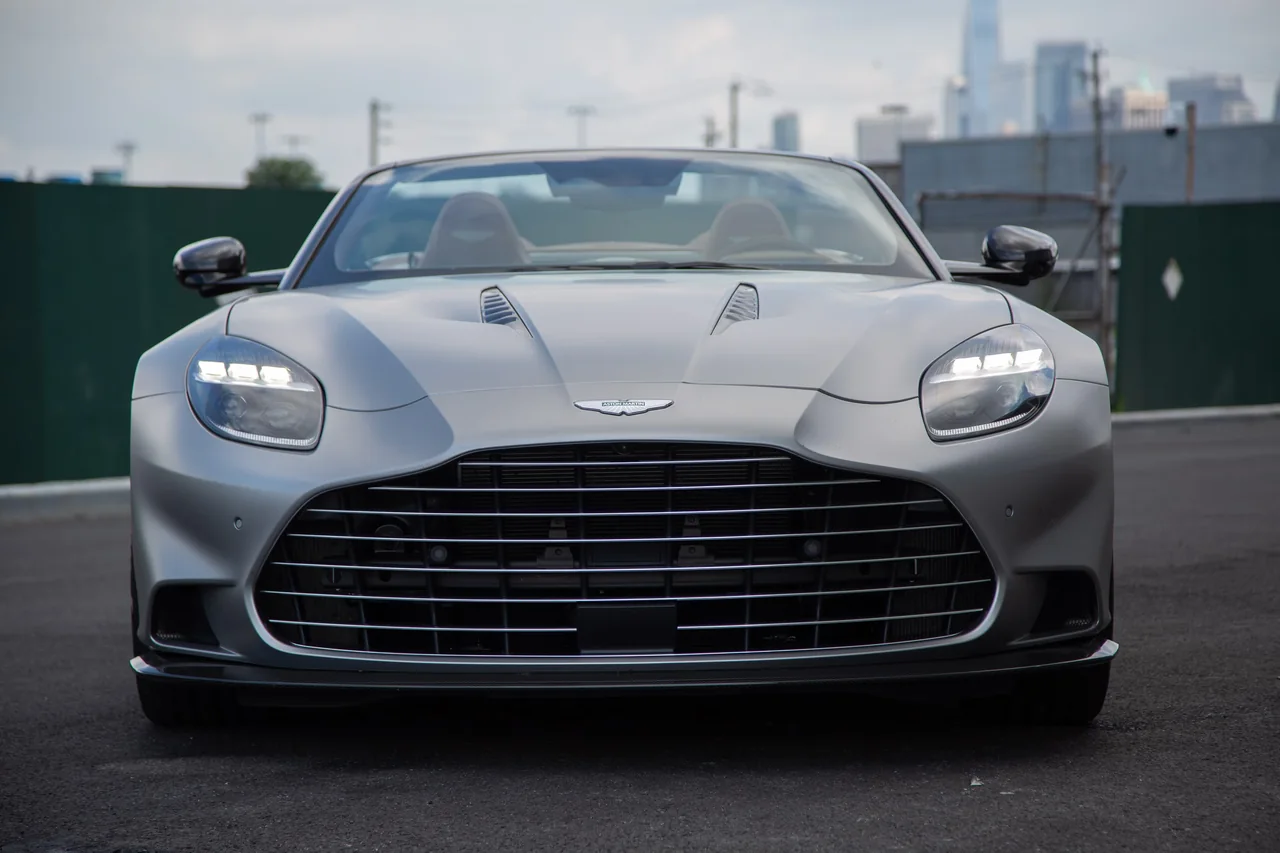
Aston Martin is planning on reducing its workforce by up to 20 percent in an effort to cut annual expenses by £40 million. The job cuts are a response to the company's struggles with American tariffs and falling demand from Asia, which have had a significant impact on their financial performance. With a current workforce of around 3000 employees, the reduction would result in roughly 600 job losses.
The company's net losses jumped 52 percent in 2025 to £493.2 million, with Aston Martin blaming President Donald Trump's tariffs for being 'extremely disruptive.' The tariffs have had a significant impact on the company's financial performance, and demand from China has been 'extremely subdued' as well. This decline in demand has left the company with limited options to reduce costs.
Aston Martin has decided to delay investments in electric vehicle technology, cutting back on its five-year capital spending plan from £2 billion to £1.7 billion. The decision is a response to the current market conditions and the uncertainty surrounding the future of the automotive industry. This move will likely have significant implications for the company's long-term strategy.

Despite the challenges facing the company, Aston Martin is expecting a 'material improvement' in their financial performance in 2026. The Valhalla hypercar has been helping to prop up the company, with roughly 500 deliveries made so far and sales expected to contribute to a target of high 30 percent gross margins for 2026.
The company's adjusted earnings before interest and taxes are expected to be near breakeven in 2026, a significant improvement from last year's operating loss of £259.2 million. The Valhalla hypercar has been a key factor in the company's improved financial outlook, with sales helping to drive revenue growth.
The decision to cut jobs is likely to have a significant impact on the company's workforce and operations. With the current reduction in force expected to occur this year, employees will need to adapt to the changes and find new opportunities within the company or elsewhere.

Aston Martin's financial performance has been impacted by a range of factors, including tariffs and declining demand from Asia. The company's struggles are a reminder that even major players in the automotive industry can be affected by changing market conditions.
The company's decision to delay investments in electric vehicle technology is a response to the current uncertainty surrounding the future of the automotive industry. As companies navigate this challenging landscape, they must carefully consider their investment strategies and prioritize areas where they have a competitive advantage.
Overall, Aston Martin's decision to cut jobs and reduce its workforce is a sign of the company's efforts to adapt to changing market conditions. With a focus on improving financial performance in 2026, the company will need to navigate this challenging period while maintaining its commitment to innovation and excellence.
The automotive industry is facing significant challenges due to global economic uncertainty, with companies like Aston Martin being forced to adapt to changing market conditions.