


E-bikes have become a growing mode of transportation in the US, but with this growth comes new challenges for lawmakers. Florida is now taking steps to address these concerns by advancing a bill that would impose a situational 10 mph speed limit for e-bikes on shared-use paths. This move fits into a broader national trend, as states and cities across the country reconsider how electric bikes fit into public spaces that were never designed with fast, motor-assisted travel in mind. The proposed legislation is not a blanket crackdown on e-bikes, but rather a targeted approach to managing speed differences between users on sidewalks and multi-use paths where pedestrians are present.
The bill requires e-bike riders to slow to 10 mph or less when operating on shared-use paths or sidewalks that are occupied by pedestrians. Riders would be required to drop to these speeds when operating within 50 feet of pedestrians, effectively creating a near-jogging pace for e-bikes in close proximity to walkers. This provision aims to reduce conflicts between e-bike riders and pedestrians, promoting a safer coexistence in shared spaces.
The proposed legislation also includes language clarifying enforcement authority for local governments, but goes further by requiring police to specifically record and track all electric bike-related accidents. Additionally, the bill mandates the creation of a task force to analyze the issue and determine if changes to the regulations are necessary. This approach suggests that lawmakers are taking a proactive stance in addressing e-bike safety concerns.
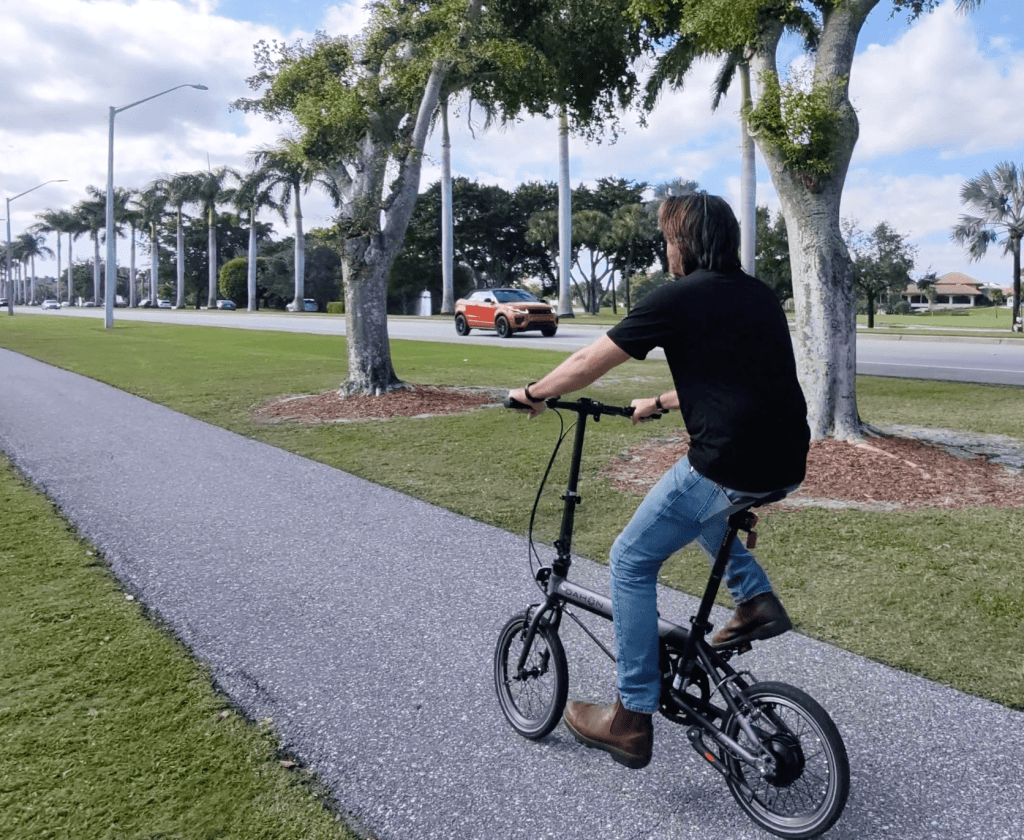
Supporters argue that these provisions are less about punishing riders and more about creating clear, enforceable expectations in spaces where conflicts are becoming more common. By establishing specific speed limits and requirements for e-bike riders, the proposed legislation aims to promote a culture of safety and respect among users of shared paths.
The bill's focus on managing speed differentials in Florida's unique public spaces is particularly noteworthy. The state's infrastructure, with its wide multi-use paths set back from roadways, creates an environment where e-bikes can feel both natural and out of place depending on the context. By imposing a 10 mph limit, lawmakers aim to mitigate potential conflicts between e-bike riders and pedestrians.
The adoption of e-bikes has outpaced decades-old traffic laws, leaving lawmakers scrambling to catch up. As e-bikes continue to grow in popularity, especially as car alternatives, debates like this are only going to become more common. It's essential for states and municipalities to develop regulations that balance the needs of different users and promote public safety.
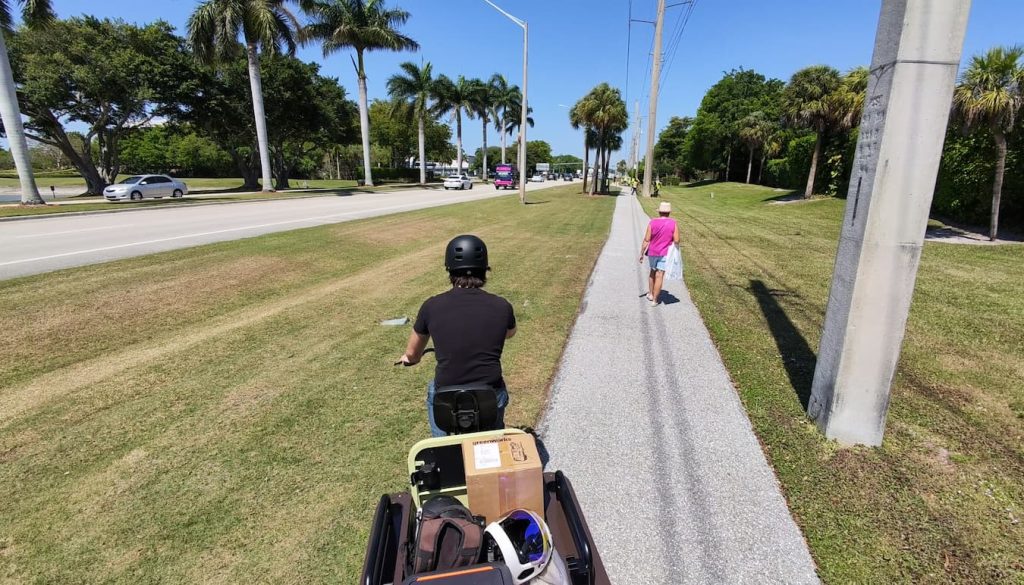
The effectiveness of the proposed bill will depend on how it is enforced. If implemented correctly, the 10 mph speed limit could serve as a sensible safety measure in shared spaces. However, if enforcement becomes lax or inconsistent, the provision may end up being overly blunt. It's crucial for lawmakers to monitor the impact of this legislation and make adjustments as needed.
As e-bikes become increasingly popular, it's clear that debates like this will continue to emerge. States and municipalities must strike a balance between promoting sustainable transportation options and ensuring public safety. The proposed bill in Florida is just one example of this ongoing conversation, and its success will depend on how well it addresses the unique challenges of shared spaces.
The proposal marks another step in the growing trend of states and cities reevaluating e-bike regulations. As the popularity of e-bikes continues to grow, it's essential for lawmakers to develop and enforce regulations that prioritize public safety and promote responsible use of these vehicles.
As e-bikes become increasingly popular, states are reevaluating their regulations to ensure public safety and manage speed differentials in shared spaces.