
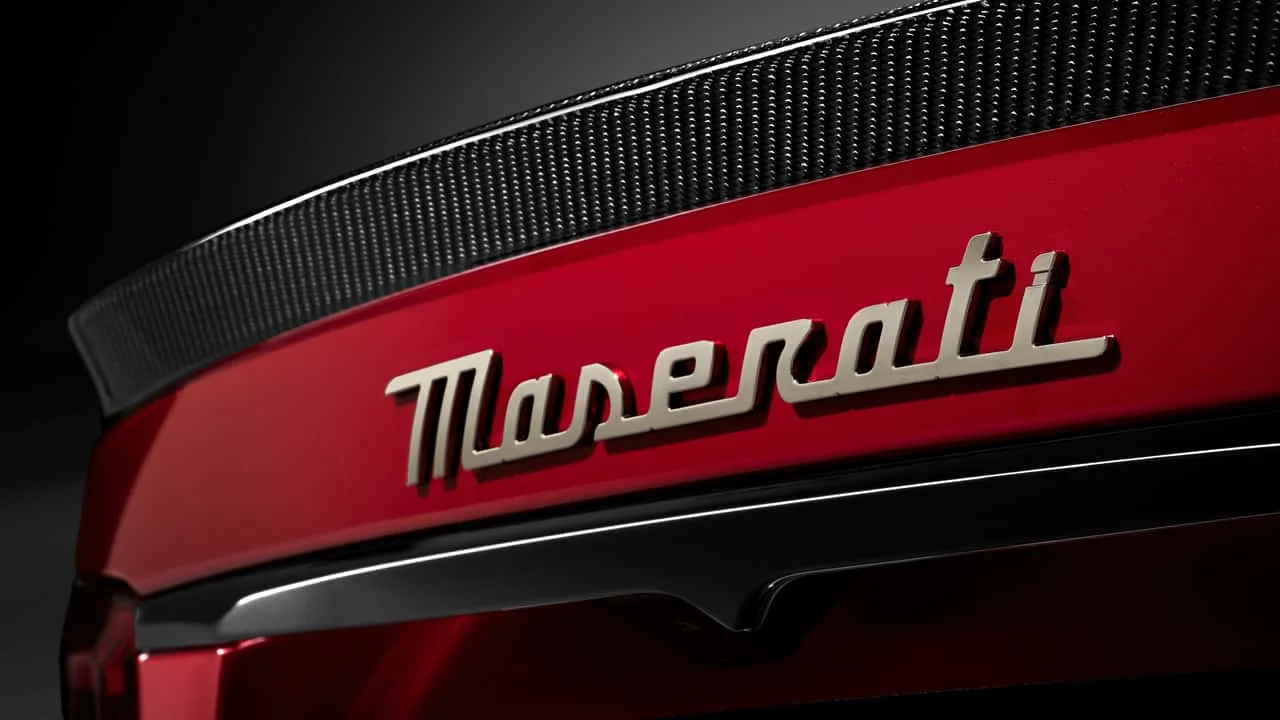
Maserati sales have taken a drastic turn, with the latest numbers revealing a sharp decline in the Italian luxury car brand's fortunes. The latest data paints a grim picture, with sales spiraling from bad to worse. This downturn is not an isolated incident, as Maserati faces stiff competition from other established players in the premium segment.
The decline in sales can be attributed to various factors, including increased competition and changing consumer preferences towards more practical and affordable options. As a result, many luxury car buyers are opting for alternatives that offer similar features at lower price points.
Maserati's struggles are also linked to its inability to adapt to the shifting market landscape. The brand has struggled to keep pace with the rapid evolution of technology and changing consumer preferences, leading to a decline in sales and revenue.
The impact of this downturn on Maserati's parent company, Fiat Chrysler Automobiles (FCA), is also significant. As a result, FCA is likely to feel the pinch from the decline in sales, which could have far-reaching implications for its overall financial performance.
Maserati's sales slump has also raised concerns about the brand's long-term viability. With declining sales and revenue, it remains to be seen whether Maserati can regain its footing in the competitive luxury car market.
The decline in sales is a stark contrast to Maserati's heyday in the early 2000s, when the brand was synonymous with luxury and exclusivity. However, this success story has given way to a more nuanced reality, where competition and changing consumer preferences have taken their toll on the brand.
In an effort to stem the decline, Maserati has been focusing on revamping its product lineup and improving its overall customer experience. However, these efforts may not be enough to reverse the trend, given the significant headwinds facing the brand.
The impact of this downturn on the broader automotive industry is also worth noting. As luxury car sales decline, it highlights the need for manufacturers to adapt to changing consumer preferences and invest in new technologies and products.
Ultimately, Maserati's struggles serve as a reminder that even established brands must be prepared to evolve and adapt to stay relevant in an ever-changing market landscape.
Maserati's struggles are a cautionary tale for luxury brands struggling to adapt to changing consumer preferences.