![Ignore WW3 – these electric excavators are going TO THE MOON [video]](https://api.eazyinway.com/news/83951/image?variant=thumb&url=https%3A%2F%2Felectrek.co%2Fwp-content%2Fuploads%2Fsites%2F3%2F2026%2F02%2FBulldozer-Operations.png%3Fw%3D1600)
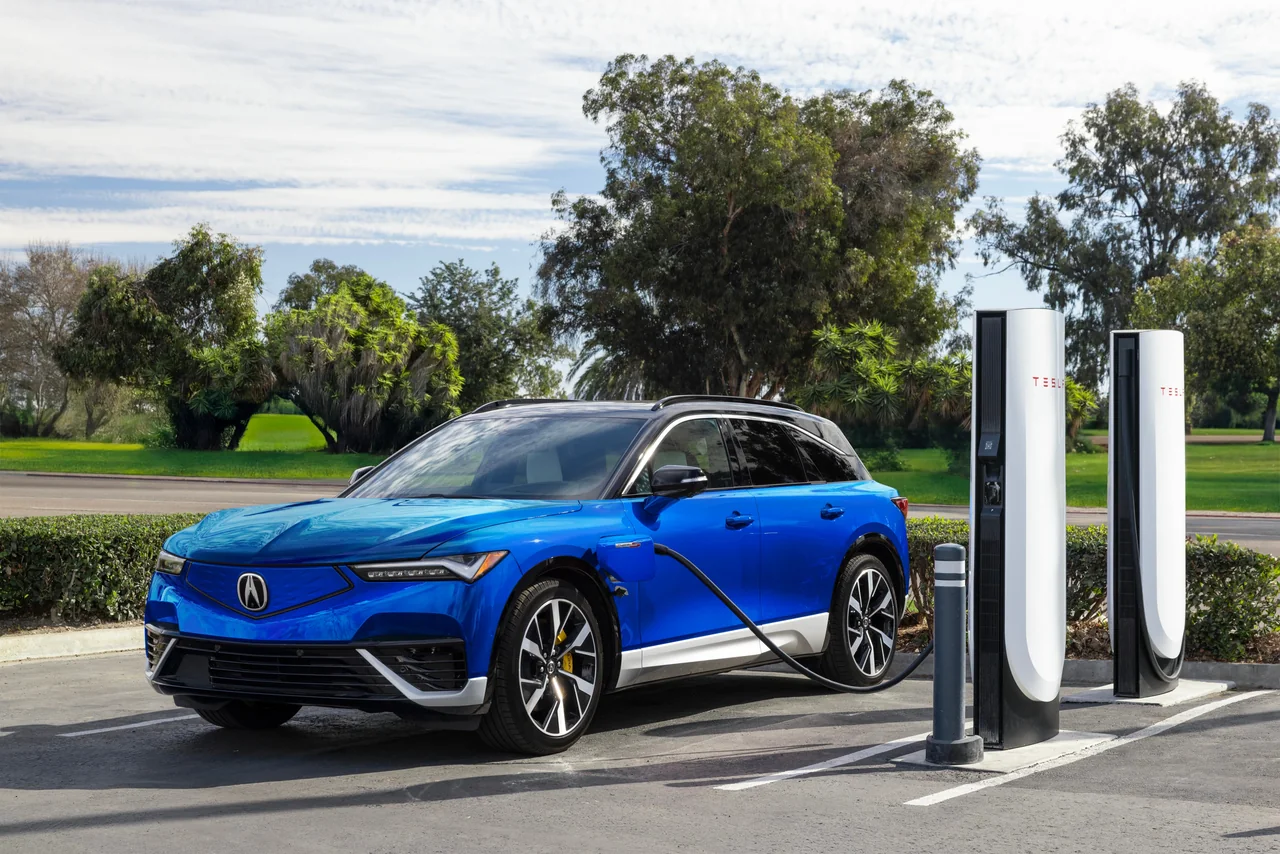
The electric vehicle (EV) market is rapidly evolving, with new models hitting the road every year. As a result, it's becoming increasingly important for buyers to understand the pros and cons of EVs, including their performance benefits, efficiency advantages, and potential drawbacks such as range anxiety. With an increasing number of affordable options available, EVs are now landing on more buyers' consideration lists than ever before.
When deciding between buying and leasing a vehicle, there are several factors to consider beyond the type of powertrain it uses. Leasing is often recommended for EVs due to its flexibility and avoidance of FOMO as battery technologies continue to evolve. By limiting your technological commitment to the length of the lease term, you can avoid worrying about the battery pack's health or potential shortening of its lifespan.
Leasing also provides an opportunity to take advantage of incentives, which can significantly reduce the cost of EV ownership. The federal government offers tax credits of up to $7500 for new-EV buyers, although these are set to disappear after September 30, 2025. State and local incentives may also be available, so it's essential to research what's offered in your area.
In addition to lower running costs compared to internal-combustion vehicles, EVs often come with additional benefits such as reduced maintenance expenses and lower insurance premiums. However, it's worth noting that EVs tend to be more expensive to repair than their non-electric counterparts, which may impact insurance costs.
When choosing between buying and leasing an EV, consider your financial situation, personal preferences, and the potential long-term benefits of owning a vehicle. While leasing can provide flexibility and avoid FOMO, buying can offer a sense of ownership and control over your vehicle's maintenance and repair needs.
As the EV market continues to grow, dealerships and automakers are starting to discount their wares to move stock. This can result in attractive deals for buyers or lessees, so it's essential to stay informed about any available promotions or incentives.
Regardless of whether you choose to buy or lease an EV, understanding the financing options available is crucial. Financial institutions don't distinguish between EVs and non-EV vehicles when it comes to loans, but it's still important to research and compare rates before committing to a new vehicle.
As with any major purchase, it's essential to carefully consider your decision and weigh the pros and cons of EV ownership. By doing so, you can make an informed choice that meets your needs and budget.
With the increasing number of affordable EV options available, now is a great time to explore this growing market. Whether you're looking for a performance-oriented model or an eco-friendly option, there's likely an EV that suits your needs and preferences.