The European Union's push to localize its electric vehicle (EV) battery supply chain has sparked concerns about the feasibility of this ambitious goal. The continent's efforts to reduce dependence on imported batteries are driven by a desire to enhance energy security and support the growth of the EV market. However, the reality is that localizing battery production is not as straightforward as it seems.
The main challenge lies in the high cost of setting up new manufacturing facilities, which would require significant investments from governments, companies, or both. The industry estimates that establishing a single large-scale battery factory can cost anywhere from $1 billion to $3 billion, making it a substantial undertaking for even the largest corporations.
Another issue is the lack of skilled workforce and specialized expertise in battery production. Many countries struggle to develop the necessary talent pool to support the growth of local battery manufacturing, which would require significant investments in education and training programs.
The European Union's goal of having at least 50% of its EV batteries produced locally by 2025 is a clear indication of the importance placed on this issue. However, achieving this target will be a daunting task, especially considering the scale of the required investment and the need for specialized expertise.
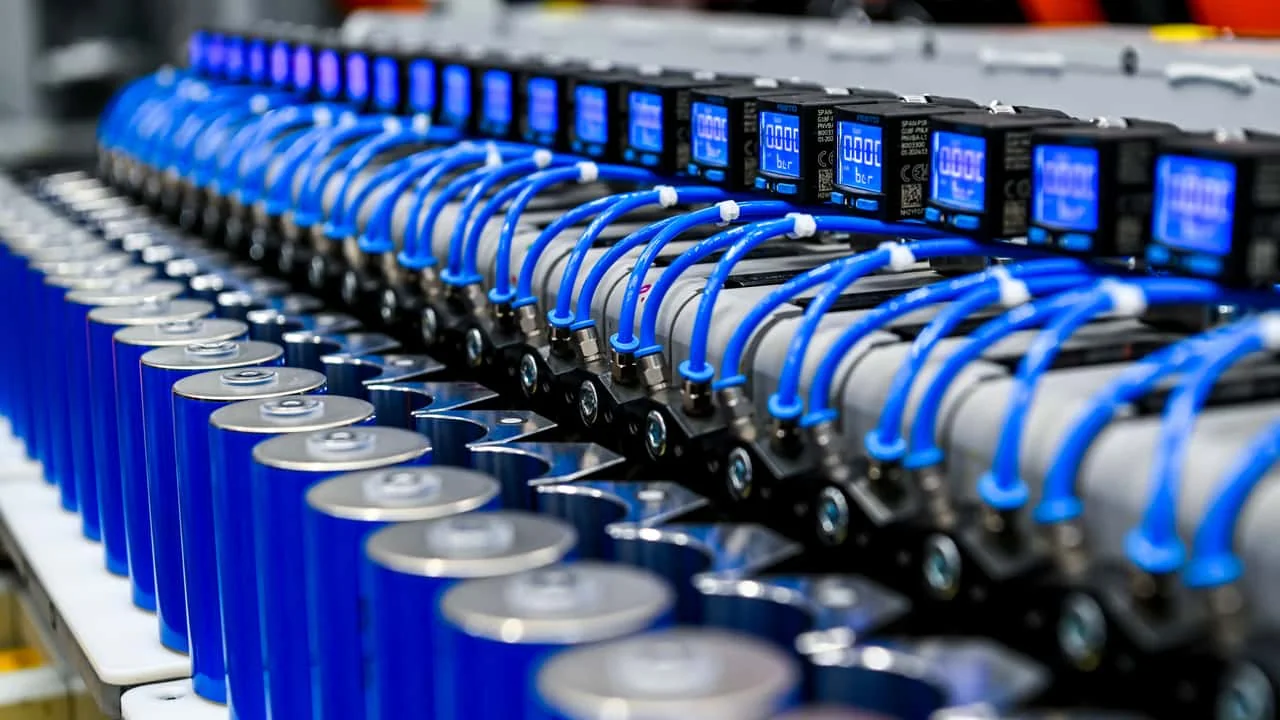
Furthermore, the complexity of battery production makes it difficult to replicate existing manufacturing processes in new locations. The industry's reliance on advanced technology and sophisticated equipment means that localizing production would require significant investments in research and development.
The European Union's efforts to support the growth of local battery manufacturing include initiatives such as the Battery Cell Manufacturing (BCM) initiative, which aims to promote collaboration between industry stakeholders and provide funding for research and development.
Despite these efforts, many experts believe that a more realistic goal would be to achieve 20% local production by 2025, given the significant challenges posed by the high cost of setting up new facilities and the need for specialized expertise.
The challenges of localization in electric vehicle batteries are a wake-up call for policymakers and industry stakeholders. As the demand for sustainable energy solutions continues to grow, it is essential that we develop strategies to address these challenges and support the growth of local battery manufacturing.
In conclusion, while the European Union's efforts to localize its EV battery supply chain are well-intentioned, they must be accompanied by a realistic assessment of the challenges involved. By setting achievable goals and investing in education and training programs, policymakers can help support the growth of local battery manufacturing and reduce dependence on imported batteries.
As the demand for sustainable energy solutions grows, countries are realizing that localizing battery production poses significant challenges.