
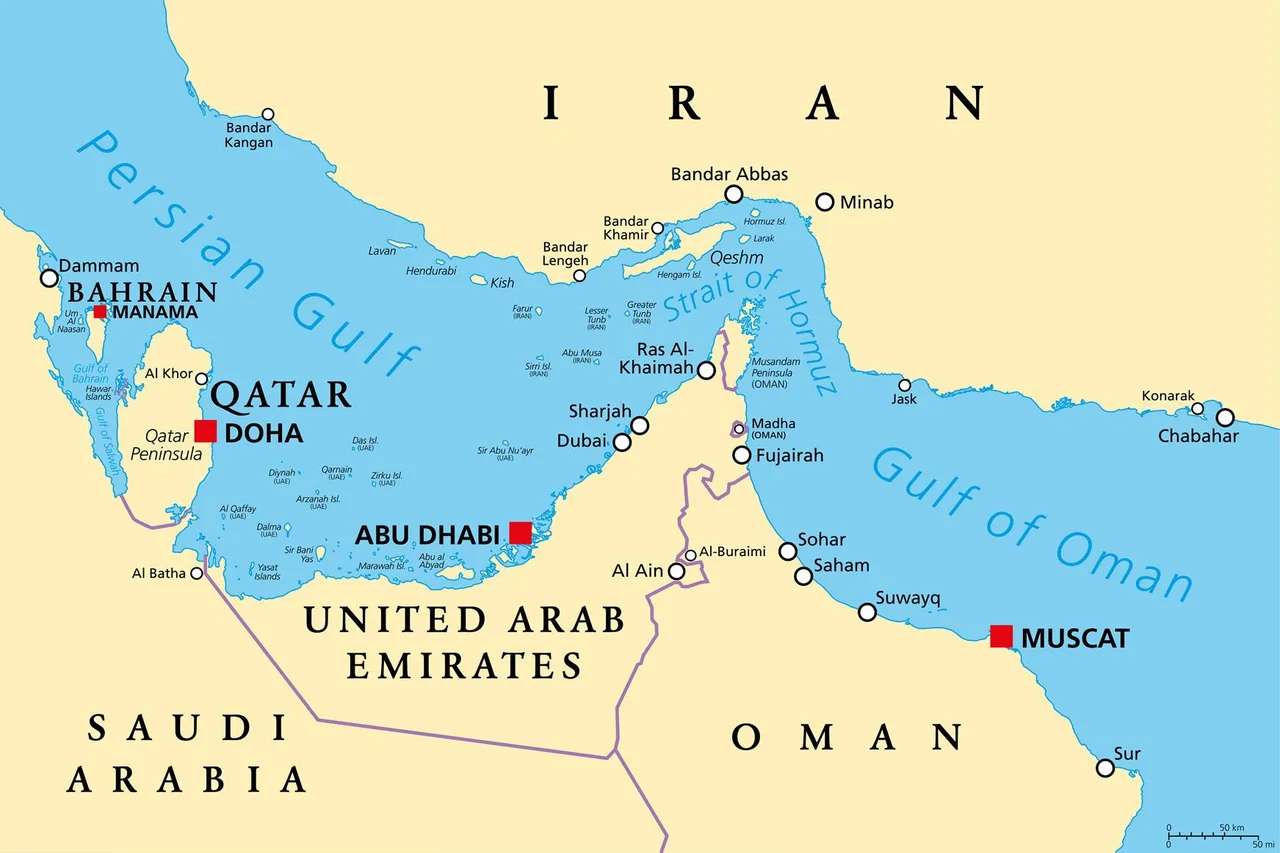
Oil markets are bracing for a potentially significant supply disruption as tensions in the Middle East escalate and the Strait of Hormuz comes under threat. With approximately 15 million barrels per day (bpd) of crude oil transiting the critical waterway, it is the world's most critical oil chokepoint. Any sustained disruption would remove a substantial portion of globally traded crude from the market, sending shockwaves through the global economy. The consequences could be far-reaching, with potential price spikes and widespread economic instability. As such, it is essential to monitor the situation closely and prepare for any eventuality.
OPEC+'s decision to increase its crude oil production target by 206,000 barrels per day (bpd) for April was a cautious response to heightened geopolitical risk. The group ultimately raised output beyond an initial expectation of 137,000 bpd, but stopped short of a more forceful increase. This move underscores the tightrope OPEC+ is walking between responding to near-term geopolitical risk and avoiding oversupply later this year.
The Strait of Hormuz is a vital artery for world trade, with roughly one-fifth of global oil supply passing through it. The critical waterway's vulnerability has significant implications for the global economy, as markets are more concerned with whether barrels can move than with spare capacity on paper. If flows through the Gulf are constrained, additional production will provide limited immediate relief.
Options to bypass the Strait are limited, with Saudi Arabia's East-West pipeline having about 5 million bpd of capacity and the UAE's Abu Dhabi pipeline around 1.5 million bpd. Even assuming full utilization of these alternative routes, a significant share of exports would remain exposed if the Strait remains inaccessible.
The ability to reroute flows through alternative routes would only partially mitigate the disruption. Saudi Arabia has increased crude loadings in recent weeks, and strategic petroleum reserves held by major consuming nations could provide some temporary cushioning to the market.
However, such buffers are inherently finite and designed to smooth short-term shocks rather than offset sustained structural disruptions. The impact of a potential supply disruption in the Strait of Hormuz would be felt across the globe, with far-reaching consequences for oil markets and the broader economy.
The increased production target by OPEC+ may not be enough to mitigate the impact of a potential supply disruption in the Strait of Hormuz, as alternative routes have limited capacity. The group's cautious approach underscores the complexity of navigating geopolitical risk and avoiding oversupply.
As the situation continues to unfold, it is essential for oil markets to remain vigilant and prepared for any eventuality. The global economy is heavily reliant on a stable supply chain, and any disruption would have significant implications for businesses and consumers alike.
The Strait of Hormuz shutdown threat highlights the critical importance of diversifying energy supplies and investing in alternative routes. As the world grapples with increasing geopolitical risk, it is essential to prioritize resilience and preparedness in oil markets.
The increased production target by OPEC+ may not be enough to mitigate the impact of a potential supply disruption in the Strait of Hormuz, as alternative routes have limited capacity.