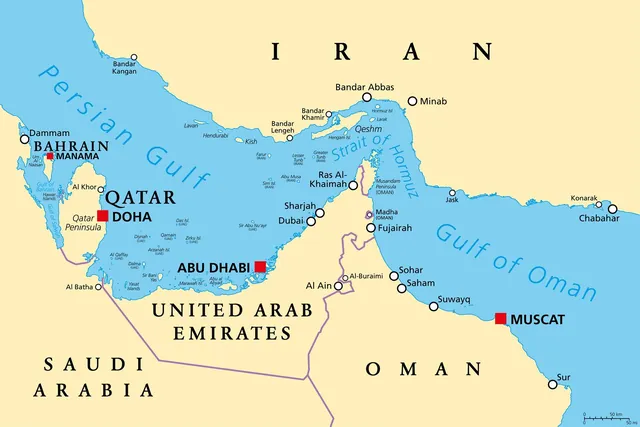
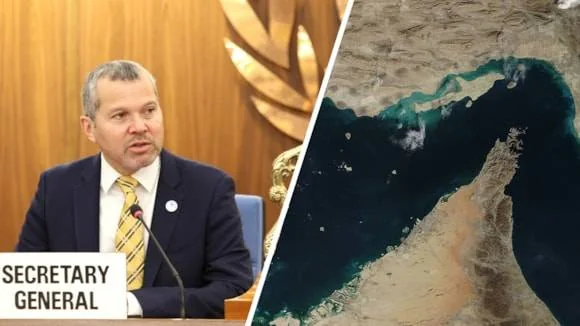
Seafarers are facing unprecedented risks as tensions escalate in the Strait of Hormuz, a critical waterway for international trade. The IMO Secretary-General has issued a statement condemning attacks on merchant vessels and calling for increased vigilance among shipping companies. As the situation continues to unfold, seafarers must be protected from the effects of wider geopolitical tensions.
The World Shipping Council has emphasized the paramount importance of seafarer safety in light of the recent escalation of conflict in the Middle East. The industry is closely monitoring the situation and taking steps to minimize risks to crew members. However, the ongoing uncertainty poses significant challenges for operational decision-making.
Freedom of navigation is a fundamental principle of international maritime law, and it must be respected by all Parties, with no exception. As tensions rise, shipping companies are being forced to reassess their routes and schedules, leading to delays and scheduling adjustments across connected trades routes worldwide.
The IMO Secretary-General has urged all stakeholders to remain vigilant against disinformation and to rely only on verified, authoritative sources when making navigational decisions. This is crucial in ensuring that seafarers receive accurate information about the security situation, enabling them to make informed decisions about their safety.
Seafarers are not combatants; they are simply doing their jobs and must be protected from the effects of wider geopolitical tensions. The IMO will continue working closely with Member States and partners to support safe navigation and to uphold the principle that civilian mariners must never be harmed.
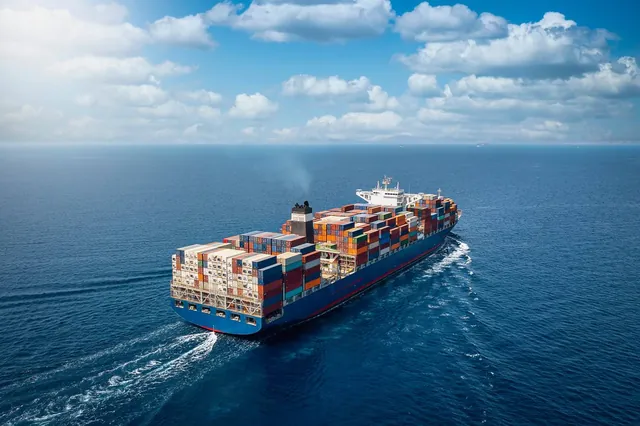
The World Shipping Council has expressed its concern about the impact of the conflict on global liner shipping, citing the need for operational flexibility in response to changing security conditions. While rerouting is complex and can extend transit times, it has enabled trade to continue moving under difficult conditions.
The Strait of Hormuz is a critical chokepoint for international trade, with many carriers pausing or rerouting services as they assess the evolving security situation. This disruption poses significant challenges for logistics and supply chain management, highlighting the need for industry cooperation and coordination in responding to emerging risks.
As the situation continues to unfold, it is essential that shipping companies prioritize seafarer safety above all else. The IMO Secretary-General's call for vigilance against disinformation serves as a reminder of the importance of relying on credible sources when making navigational decisions.
Ultimately, the success of global liner shipping depends on the ability of industry stakeholders to work together in response to emerging risks and challenges. By prioritizing seafarer safety and upholding the principle of freedom of navigation, we can ensure that trade continues to flow smoothly, even under difficult conditions.
The recent escalation of conflict in the Middle East poses significant challenges for global liner shipping, with seafarer safety taking center stage.