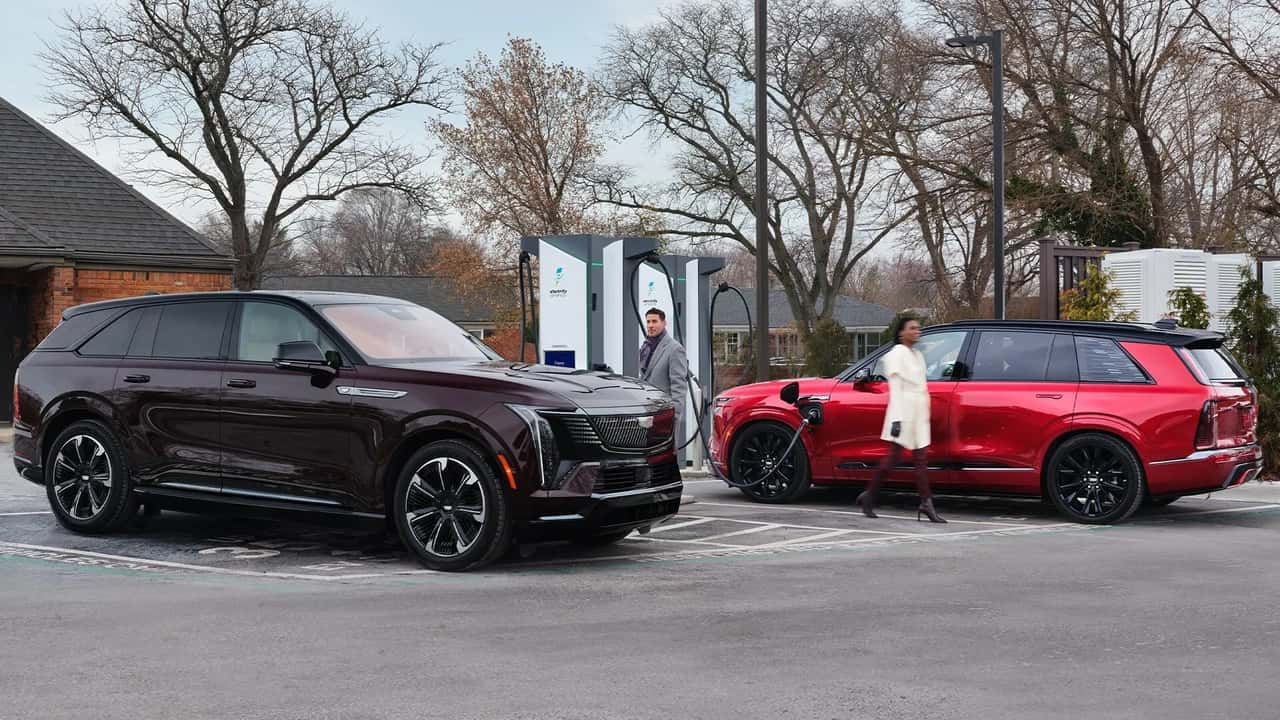


Electric vehicle charging levels can be confusing, but they're actually quite straightforward once you understand the basics. There are three main levels of EV charging: Level 1, Level 2, and Level 3.
The level you use depends on your home's electrical system and the type of public chargers available in your area. Automakers often include Level 1 charging equipment with new electric cars, which plugs into a typical household 120V outlet.
This type of charging is slow, adding around two to four miles of range per hour, but it's convenient because it uses ordinary household outlets. For most EV owners, Level 2 charging is the way to go, as it's faster and more efficient than Level 1.
Level 2 charging operates at 240 volts and typically adds electricity to your EV's battery pack at a rate that's roughly six to eight times faster than Level 1 setups. However, the charging rate of Level 2 can vary dramatically depending on the hardware in your car and the public chargers you use.
Installing Level 2 charging at home is an additional expense, but some states and localities offer government incentives to offset the cost. It's essential to match your charging equipment to what your EV can handle to avoid paying for capability you can't use.
As an expert in the transport industry, it's crucial to understand the different types of electric vehicle charging levels and how they affect your driving experience. By choosing the right level of charging for your needs, you can maximize your range and efficiency while minimizing costs.