
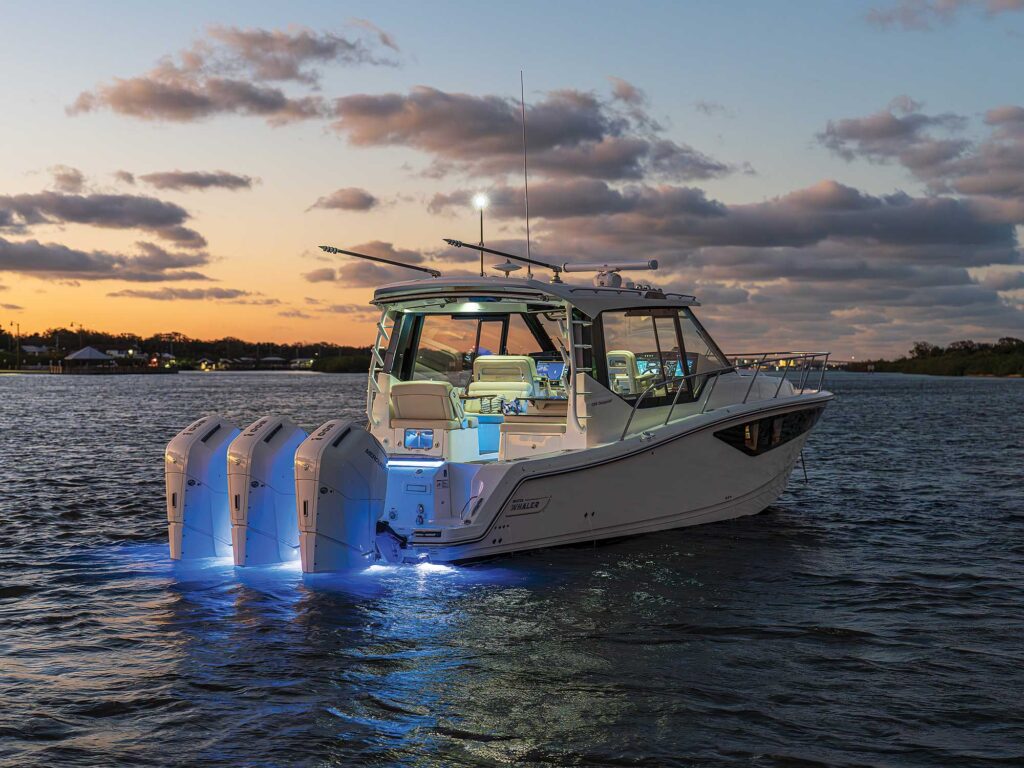
As battery technology advances, it brings conveniences like air conditioning and gyrostabilization to smaller boats, even those without generators. With the right guidance, you can harness the power of lithium iron phosphate (LiFePO4) batteries and inverters to create a seamless and efficient experience on the water. In this article, we'll explore the key considerations for maintaining and storing LiFePO4 systems, ensuring they operate at full capacity for years to come.
Inverters, along with sufficient battery capacity, can power air conditioning, a water heater, and an electric grill simultaneously, while continuing to power air conditioning long after dinner. However, these systems require more thought during daily use and regular maintenance checks to prevent degradation and ensure optimal performance.
One crucial aspect is not discharging batteries deeper than 80 percent of their overall capacity, as this can affect performance and potentially degrade the batteries. It's essential to plan ahead and monitor battery levels to avoid losing power or functionality.
Another key consideration is aligning power use with the system's capabilities. This means charging batteries during periods of low usage and discharging them when needed, such as during peak hours or when running appliances.
Battery systems also generate heat, which can cause problems if not addressed. Inverters and chargers typically shut down at temperatures above 100 degrees Fahrenheit, while batteries disconnect at 150 degrees. Modern chargers have warning functionality built-in, making it crucial to invest in a reliable charger.
During regular downtime, it's recommended to leave the boat with LiFePO4 batteries above an 80 percent charge. For months-long storage, most newer batteries have a protection relay that can be opened, allowing for natural self-discharging between 1 and 3 percent per month.
When storing batteries, it's essential to prevent charging while temperatures drop below freezing, as this can damage the cells. Safe storage temperature is around 13 degrees Fahrenheit below zero, measured at the battery cell level, not ambient air.
To ensure optimal performance and longevity, regular maintenance checks are crucial. This includes replacing anodes, lubing mounting brackets, and addressing obvious problems, such as loose wiring connections or deck leaks. It's also essential to have spares for high-amperage fuses on hand.
By following these guidelines and taking a proactive approach to maintaining and storing LiFePO4 systems, you can enjoy the benefits of these advanced battery technologies and create a seamless and efficient experience on the water.
In conclusion, navigating LiFePO4 systems requires careful consideration of power use, maintenance checks, and storage conditions. By understanding the key factors that affect performance and longevity, you can optimize your system's capabilities and enjoy years of reliable service.
As an expert in the field, I would recommend regularly monitoring battery levels and adjusting power use accordingly to ensure optimal performance. Additionally, investing in a reliable charger and following proper maintenance procedures will help prevent degradation and ensure the longevity of your LiFePO4 system.
Image search tag: outboard