The Middle East is a powder keg that has been reignited by recent attacks on Iran by the US and Israel. Japanese lawmakers, who are already reeling from these developments, gathered at the ruling party's offices in Tokyo to question bureaucrats about evacuation plans, energy stocks, and the legal basis for US action. This closed-door meeting reflected a deeper fear haunting Asia's corridors of power since Trump's weekend attacks unleashed chaos in the Middle East.
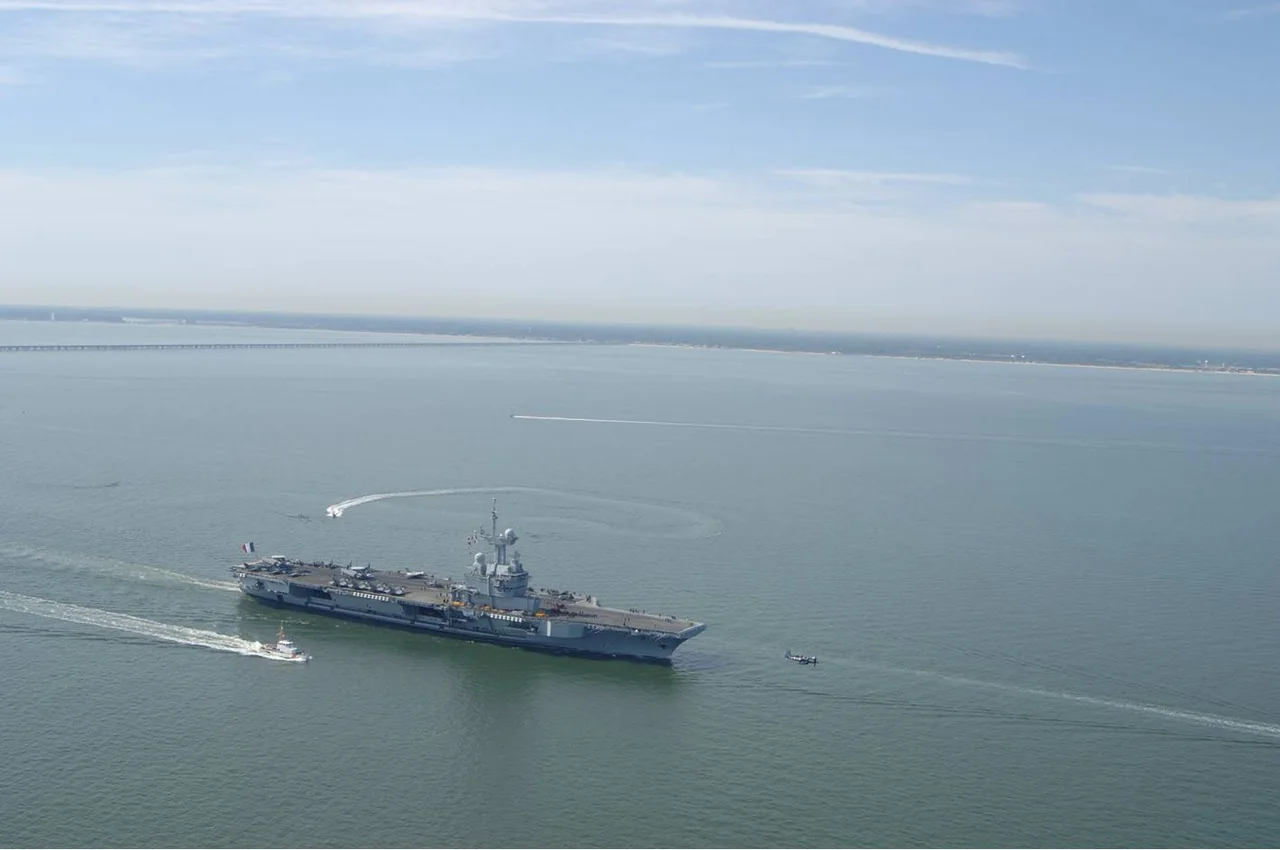
The problem is urgent for Japan and South Korea, home to big US military bases that help counter China's military flexing and nuclear-armed North Korea, as well as for democratic Taiwan, claimed by Beijing and armed by Washington. The region's defenses are already stretched thin, with about 40% of US navy ships ready for operations currently stationed around the Middle East.
The US State and Defense Departments did not immediately respond to a request for comment on this report. A top foreign ministry official replied that Tokyo had sought assurances from Washington that it would not shift US military assets. However, if the war dragged on, there was a realistic possibility that the United States could draw down its naval strength in Asia to reinforce the Iran conflict.
The Iran conflict is also depleting reserves of US munitions, about which experts have long warned. The US military has asked defense firms to step up production, but that could take several years. This is a concern for the United States because rebuilding munitions reserves in the Indo-Pacific helps deter China from military action on Taiwan over the medium term.
Japan has already faced delays in deliveries of hundreds of Tomahawk missiles ordered from the US and could fall further behind schedule. The country's defense industry is struggling to keep up with demand, leaving Japan vulnerable to a potential Chinese attack.
The grand strategy unveiled by Washington three months ago framed the Indo-Pacific as the key geopolitical battleground and made a top priority of deterring a conflict over Taiwan. However, Trump's recent military actions have raised concerns that he may be taking his eye off the prize. Some analysts believe Beijing has little to cheer for now, but others argue that China could start to benefit from the US distraction.
By hitting Venezuela and Iran, Trump weakened two of its allies that sent China streams of cheap oil, buoying its economy. However, this could also embolden China to take a more aggressive stance in the region. The question is whether there will be enough resources left to shift towards containing China.
Some analysts have suggested that Trump's military actions are part of a grand plan to enable the United States to focus on containing China. But this plan relies on the US being able to maintain its presence in the Indo-Pacific without diverting too many resources. If the war dragged on, Beijing could start to exploit this weakness.
China has exploited previous episodes of US distraction, pointing to its rapid militarization of South China Sea islands as the US pursued the war in Afghanistan. The country will be watching closely for any signs of US weakness or distraction, and may take advantage of it to further its own interests.
The ongoing tensions between the US and Iran, as well as Trump's plans to meet Chinese President Xi Jinping, have left Asia's allies feeling stretched thin.