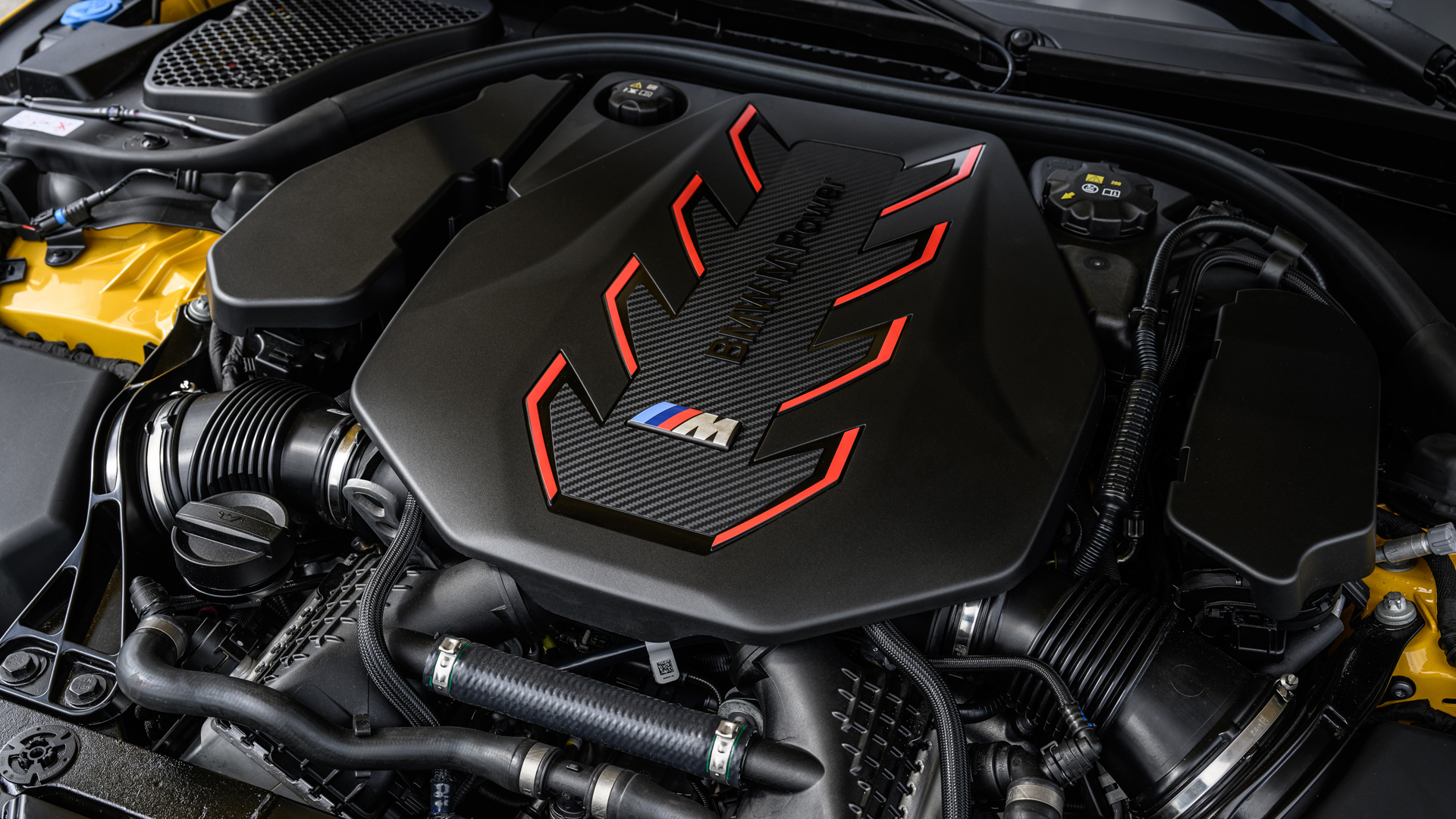
The automotive world is abuzz with the latest developments in the shift towards electric vehicles. BMW, however, has announced that it will continue producing vehicles with V8 and V12 engines as part of its core lineup, despite its pivot towards EVs. , where three- and four-cylinder engines have been produced alongside large-displacement engines since 2022.
High-performance engines remain a central part of BMW's strategy, according to the company. S. Audi plant unless auto tariffs are reduced.
S. market. A judge has ruled that the Trump administration unlawfully suspended EV charger infrastructure program funds, which Congress enacted in 2021.
Ford and Carhartt's partnership is starting to take shape with dealership uniforms and a co-branded Super Duty pickup truck. Toyota has started production of the 2026 RAV4 at its Canadian plant, retooling it for the new hybrid-only model. The Donkervoort P24 RS debuted with a 600-horsepower engine sourced from the Ford GT, while Audi's Chief Creative Designer Massimo Frascella emphasized the importance of tactility over big screens.
The BMW iX3 is racking up orders, including many from first-time buyers who haven't even test-driven the EV. Finally, the Bertone Runabout concept has finally reached production five decades after its initial debut, with a planned 25-unit production run and a price tag of around £400,000.
This decision by BMW to continue producing V8 and V12 engines highlights the ongoing tension between the need for high-performance vehicles and the shift towards electric powertrains. As consumers become increasingly environmentally conscious, it will be interesting to see how manufacturers balance their loyalty to traditional engine technologies with the growing demand for EVs.