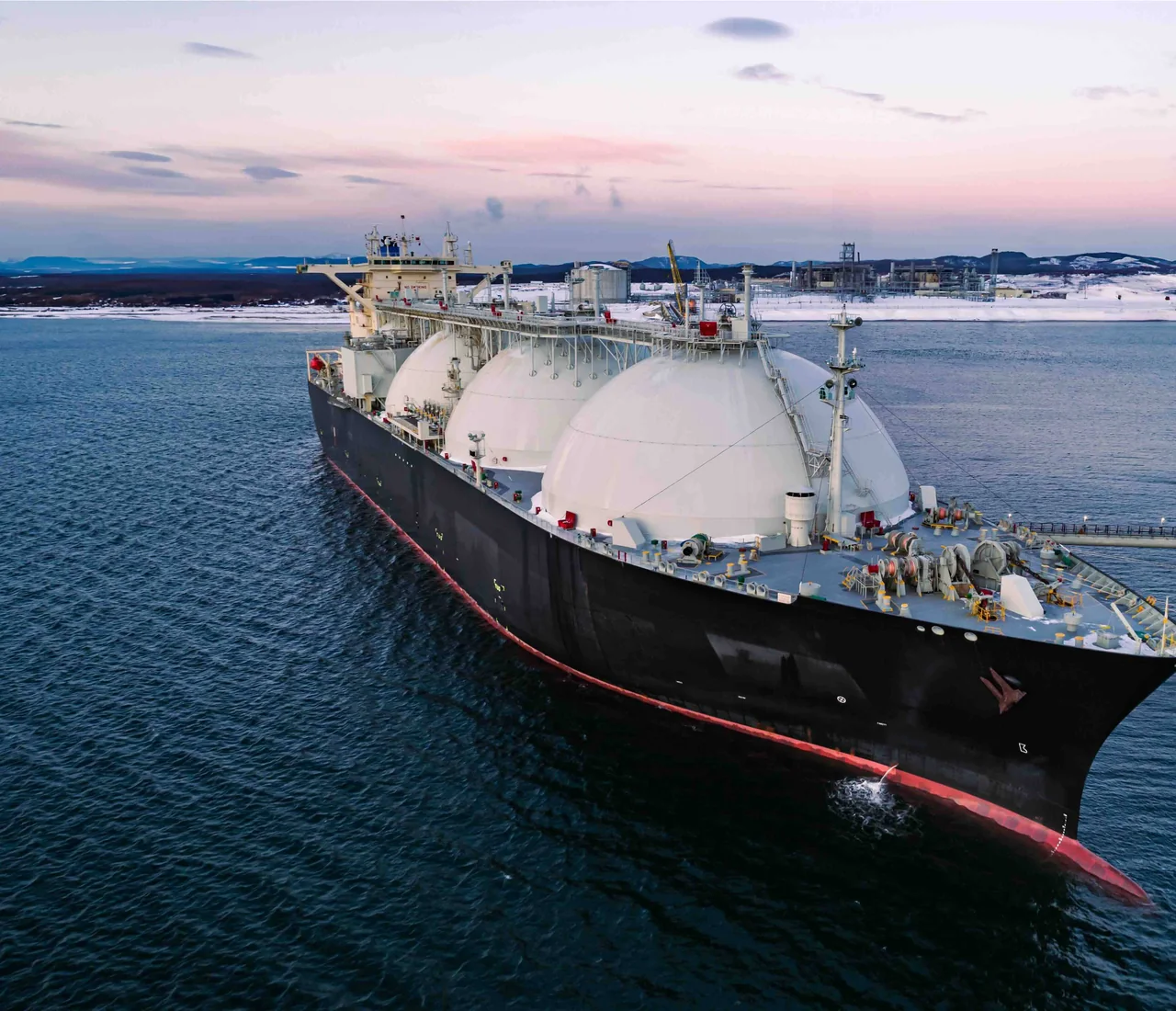
A Russian tanker carrying liquefied natural gas (LNG) sank in the Mediterranean on Wednesday after a reported attack by Ukrainian drones launched from Libya. The Arctic Metagaz, which was en route to Port Said, Egypt, caught fire and subsequently sank in waters between Libya and Malta. The maritime rescue agency in Libya reported that the tanker experienced sudden explosions followed by a massive fire, leading to its complete sinking.
The incident marks the first time an LNG tanker has been targeted by Ukrainian forces, highlighting the growing risks associated with maritime attacks in conflict zones. Ukraine has previously targeted Russian oil refineries and other energy infrastructure in an attempt to disrupt Russia's war efforts and deprive its military of funding. The use of drones as a means of attack is becoming increasingly common in conflicts around the world.
The Security Service of Ukraine did not respond to requests for comment on the incident, leaving it unclear whether the attack was authorized or sanctioned by the Ukrainian government. However, Russia's transport ministry has qualified the incident as an act of international terrorism and maritime piracy, a gross violation of fundamental norms of international maritime law.
Russia's transport ministry stated that the 30 crew members on board the tanker were safe and thanked Maltese rescue services for their assistance. The ministry also condemned the attack, emphasizing its commitment to protecting the safety of its citizens and personnel in international waters.
The Libyan National Oil Corporation denied any involvement with the tanker, stating that it was en route to Port Said, Egypt when it sank. The ship's manager and Russian LNG producer Novatek have not commented on the incident, leaving many questions unanswered about the circumstances surrounding the attack.
The Libyan maritime rescue agency warned vessels to avoid the site of the sinking and asked them to report any pollution in the area. Industry sources suggest that the fuel oil on board the tanker would likely be the primary source of pollution, but the extent of the damage is still unknown.
The incident has raised concerns about the security of global energy supplies and the potential risks associated with maritime attacks. As tensions between nations continue to escalate, it is essential for governments and industry leaders to work together to develop effective strategies for preventing such incidents in the future.
The sinking of the Arctic Metagaz serves as a stark reminder of the ongoing challenges faced by the global energy industry. The incident highlights the need for increased cooperation and vigilance among nations to prevent similar attacks in the future.
As the situation continues to unfold, it is essential for all parties involved to prioritize the safety of personnel and the protection of international maritime law. The consequences of such incidents can be severe, and it is crucial that governments and industry leaders take a proactive approach to addressing these risks.
The incident highlights the ongoing risks and challenges faced by the global energy industry, particularly in regions with heightened tensions between nations.