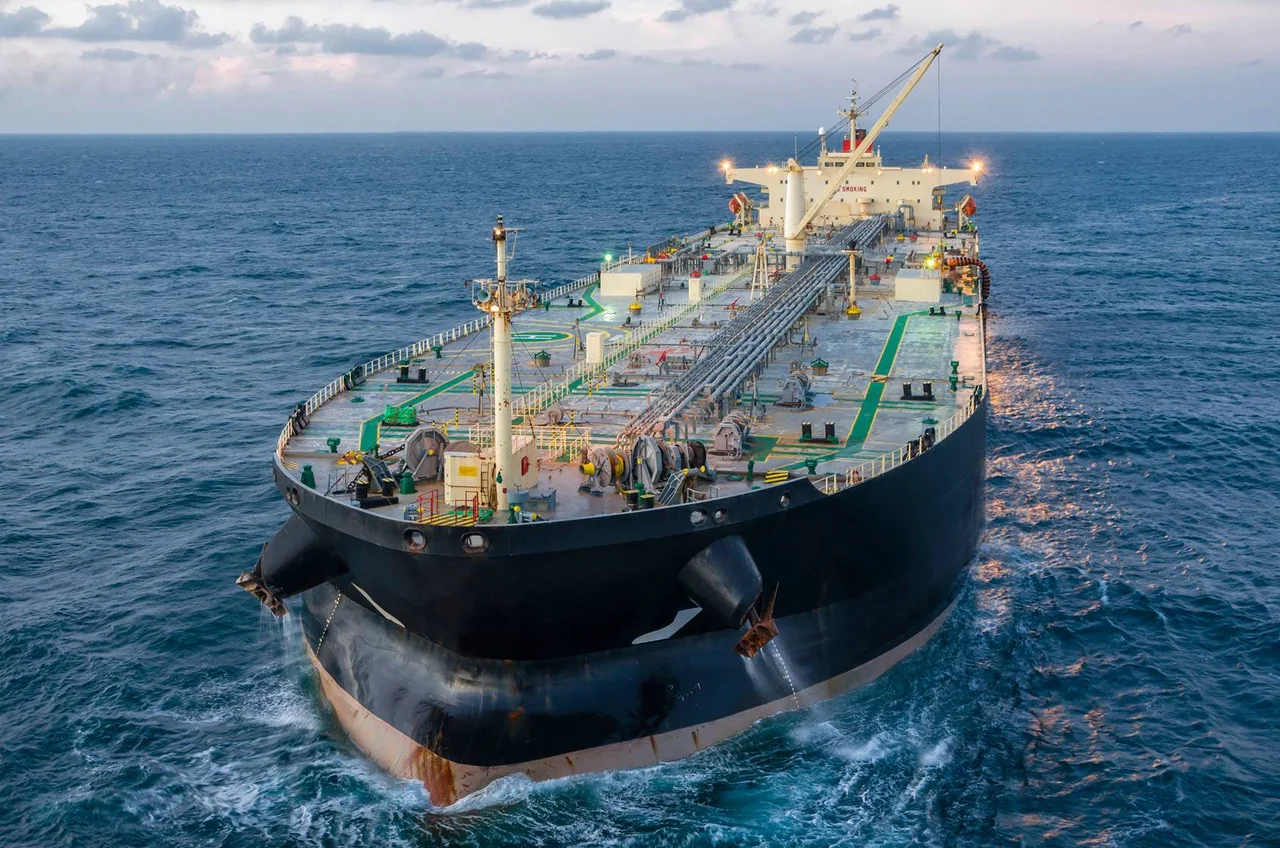
S. officials to explore solutions for restoring maritime trade amid escalating fighting in the Middle East, as attacks in the region threaten energy shipments through the Strait of Hormuz. The waterway, a critical chokepoint between Iran and Oman, carries about a fifth of globally traded crude oil and liquefied natural gas.
Shipping through the strait has slowed significantly following Iranian strikes on commercial vessels, raising concerns over prolonged disruption to global energy supplies. S. International Development Finance Corporation to provide political risk insurance and financial guarantees for maritime commerce in the Gulf.
S. has not formally declared war on Iran, but military tensions have intensified. S.
Navy could begin escorting oil tankers through the Strait of Hormuz if necessary, adding that he had directed the DFC to mobilize support for affected trade. The move marks one of the administration's most aggressive steps yet to contain soaring energy prices amid the escalating conflict in the Gulf, which has raised risks to shipping through key waterways. Iran has long threatened to close the strait in response to perceived hostilities.
While it has not fully blocked the waterway, drone and missile attacks on shipping have prompted insurers to reassess risk. Marine insurers in the London market continue to offer war risk coverage for vessels transiting the region, but premiums have risen, with rates varying by vessel type, cargo, and routing, according to broker Gallagher.