
The Trump administration has sold more than 400,000 acres of land in Alaska's Cook Inlet, but the lack of interest from oil and gas drillers is a significant blow to the administration's efforts to increase domestic production. The sale was conducted under the One Big Beautiful Bill Act, which mandates six Alaska offshore gas and oil auctions through 2032. This move is part of the Trump administration's broader strategy to boost US energy independence and promote American Energy Dominance.
The decline in drilling activity in Alaska has been a persistent issue, with many experts citing high risks and costs associated with extracting oil and gas from the region. Drilling in Alaska requires significant investment and technological expertise, making it an attractive target for companies looking to expand their operations. However, the lack of interest in this auction suggests that some companies may be hesitant to take on these challenges.
The US Bureau for Ocean Energy Management had planned to read bids via livestream on its website at 10:00 a.m. Alaskan time, with the deadline for submissions being March 3. Instead, the bureau's website was updated to reflect the lack of bids, indicating that no companies were willing to participate in the auction.
The Bureau for Ocean Energy Management stated that 'at this time, no bids were received', citing the OBBBA regulations as the reason for continuing to offer leasing opportunities in Cook Inlet. This move aims to provide a predictable and regular federal leasing program, which is essential for achieving President Trump's American Energy Dominance Agenda.
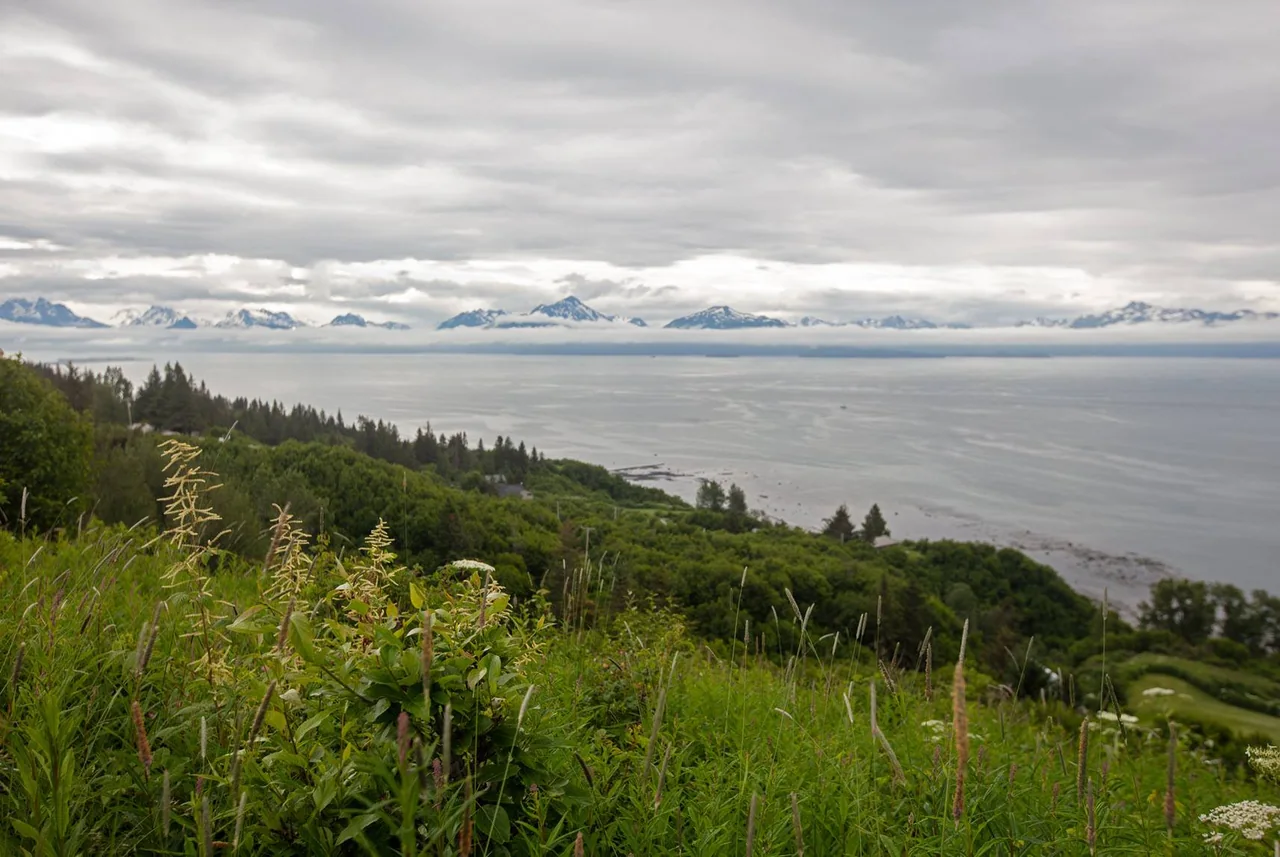
Cook Inlet is a 180-mile long channel that separates the Kenai Peninsula and the mainland, making it an attractive location for oil and gas exploration. However, the lack of interest in this auction suggests that companies may be deterred by the high risks associated with drilling in this region.
The last federal auction of Cook Inlet acreage attracted only a single bidder in 2022, highlighting the challenges faced by the industry in Alaska. Hilcorp, a Houston-based company, owns eight active federal leases in Cook Inlet, but none of these are currently producing gas or oil.
The absence of bidders in this auction raises questions about the effectiveness of the Trump administration's policies aimed at boosting US energy production. The lack of interest from companies may be due to various factors, including high costs, regulatory hurdles, and environmental concerns.
While the Bureau for Ocean Energy Management has expressed its commitment to providing a predictable and regular federal leasing program, it remains to be seen how this will impact the industry's ability to invest in new projects. The long-term viability of the US oil and gas sector depends on companies' willingness to take on the challenges associated with drilling in regions like Alaska.
The implications of this auction's lack of interest extend beyond the immediate region, as they may have broader consequences for the global energy market. As the world continues to grapple with the challenges of climate change and energy security, countries will need to find ways to balance economic growth with environmental sustainability.