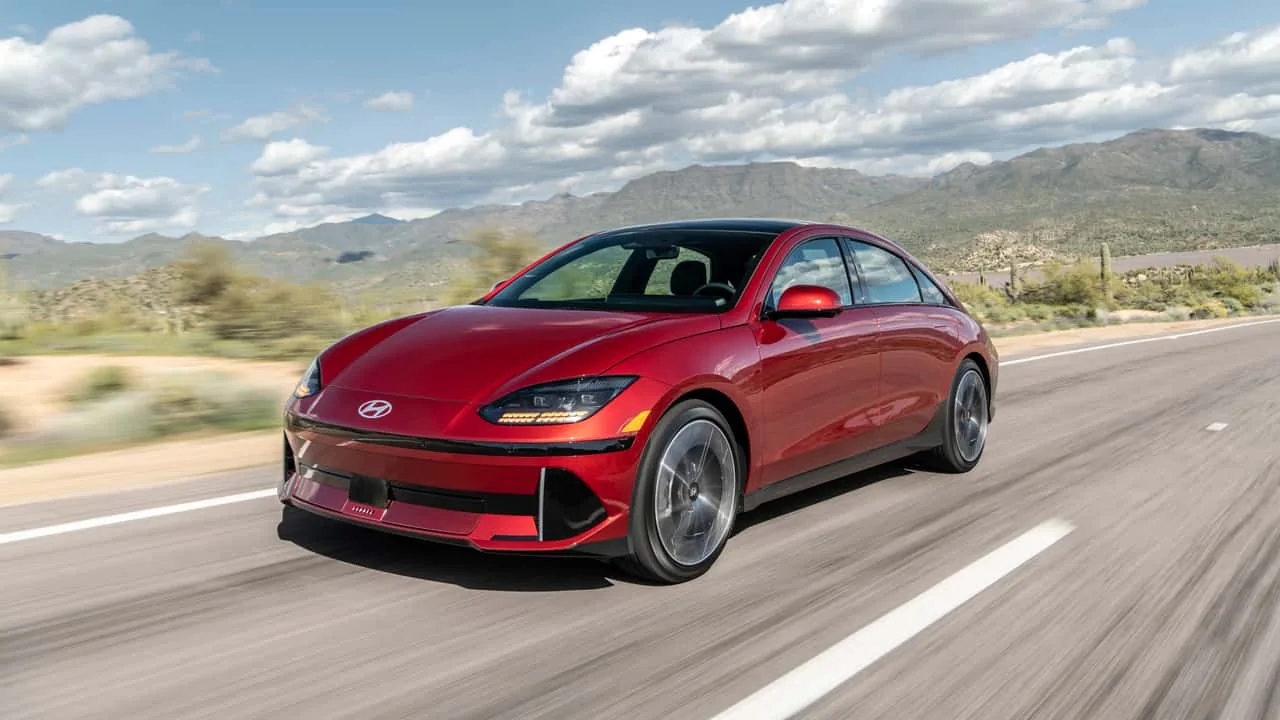
In a significant blow to Hyundai's electric vehicle ambitions, the company has announced that it will discontinue the standard version of its Ioniq 6 model in the US market. The move comes as part of a broader strategy to focus on higher-performance variants of the car. This decision is likely to have far-reaching implications for consumers and industry analysts alike. By eliminating the base model, Hyundai may be attempting to redirect resources towards more profitable and competitive models. As a result, the Ioniq 6's lineup in the US will now consist solely of the high-performance Ioniq 6 N variant. The N designation is typically reserved for high-performance variants of Hyundai's vehicles, suggesting that the company is prioritizing speed and agility over mainstream appeal. This strategic shift may be an attempt to attract a more dedicated customer base willing to pay premium prices for performance-oriented electric vehicles. However, this approach also risks alienating potential buyers who are looking for a more affordable entry point into the world of electric cars. The Ioniq 6's poor sales performance may signal a broader trend in the US market towards more niche electric vehicle offerings. As consumers become increasingly discerning about their vehicle choices, manufacturers must adapt to meet changing demands and preferences. By focusing on high-performance variants, Hyundai may be attempting to carve out a new niche for itself in the competitive EV market.
The Ioniq 6 N variant will still be sold in limited numbers this year, suggesting that Hyundai is not entirely abandoning its electric vehicle ambitions. However, the lack of a base model means that consumers will have fewer options when it comes to purchasing an Ioniq 6. The high-performance variant may appeal to enthusiasts and those willing to pay a premium for speed and agility. Nevertheless, this limited availability may also contribute to higher prices and reduced accessibility for many potential buyers. As the US market continues to evolve and mature, manufacturers must carefully consider their product offerings to ensure they remain competitive and appealing to a broad range of consumers. By prioritizing high-performance variants, Hyundai risks alienating some of its most loyal customers who are looking for more affordable options. The Ioniq 6's discontinuation also raises questions about the future of electric vehicles in the US market, particularly in terms of their pricing and accessibility.
The decision to discontinue the standard Ioniq 6 model is likely driven by a combination of factors, including production costs, marketing strategies, and consumer demand. As the automotive industry continues to shift towards more sustainable and environmentally friendly options, manufacturers must adapt to changing market conditions and consumer preferences. By focusing on high-performance variants, Hyundai may be attempting to differentiate itself from competitors and establish a new brand identity in the EV market. However, this approach also risks alienating some of its most loyal customers who are looking for more affordable options. The Ioniq 6's poor sales performance may signal a broader trend in the US market towards more niche electric vehicle offerings, which could have significant implications for manufacturers and consumers alike.
The discontinuation of the standard Ioniq 6 model is a significant development in the US automotive market, particularly with regards to electric vehicles. As consumers become increasingly discerning about their vehicle choices, manufacturers must adapt to meet changing demands and preferences. By prioritizing high-performance variants, Hyundai may be attempting to carve out a new niche for itself in the competitive EV market. However, this approach also risks alienating some of its most loyal customers who are looking for more affordable options. The Ioniq 6's poor sales performance may signal a broader trend in the US market towards more niche electric vehicle offerings.
The Hyundai Ioniq 6 has been a significant player in the US electric vehicle market since its introduction, but its poor sales performance suggests that it is no longer a viable option for many consumers. As manufacturers continue to shift towards more sustainable and environmentally friendly options, they must carefully consider their product offerings to ensure they remain competitive and appealing to a broad range of consumers. By prioritizing high-performance variants, Hyundai may be attempting to differentiate itself from competitors and establish a new brand identity in the EV market. However, this approach also risks alienating some of its most loyal customers who are looking for more affordable options.
The discontinuation of the standard Ioniq 6 model is likely driven by a combination of factors, including production costs, marketing strategies, and consumer demand. As the automotive industry continues to evolve and mature, manufacturers must adapt to changing market conditions and consumer preferences. By focusing on high-performance variants, Hyundai may be attempting to redirect resources towards more profitable and competitive models. However, this approach also risks alienating some of its most loyal customers who are looking for a more affordable entry point into the world of electric cars.
The Ioniq 6's poor sales performance may signal a broader trend in the US market towards more niche electric vehicle offerings. As consumers become increasingly discerning about their vehicle choices, manufacturers must adapt to meet changing demands and preferences. By prioritizing high-performance variants, Hyundai may be attempting to carve out a new niche for itself in the competitive EV market. However, this approach also risks alienating some of its most loyal customers who are looking for more affordable options.
The discontinuation of the standard Ioniq 6 model is a significant development in the US automotive market, particularly with regards to electric vehicles. As manufacturers continue to shift towards more sustainable and environmentally friendly options, they must carefully consider their product offerings to ensure they remain competitive and appealing to a broad range of consumers. By prioritizing high-performance variants, Hyundai may be attempting to differentiate itself from competitors and establish a new brand identity in the EV market.
The Hyundai Ioniq 6's poor sales performance raises questions about the future of electric vehicles in the US market, particularly in terms of their pricing and accessibility. As manufacturers continue to shift towards more sustainable and environmentally friendly options, they must adapt to changing market conditions and consumer preferences. By focusing on high-performance variants, Hyundai may be attempting to redirect resources towards more profitable and competitive models. However, this approach also risks alienating some of its most loyal customers who are looking for a more affordable entry point into the world of electric cars.
The Hyundai Ioniq 6's poor sales performance may signal a shift towards more niche electric vehicle offerings.