

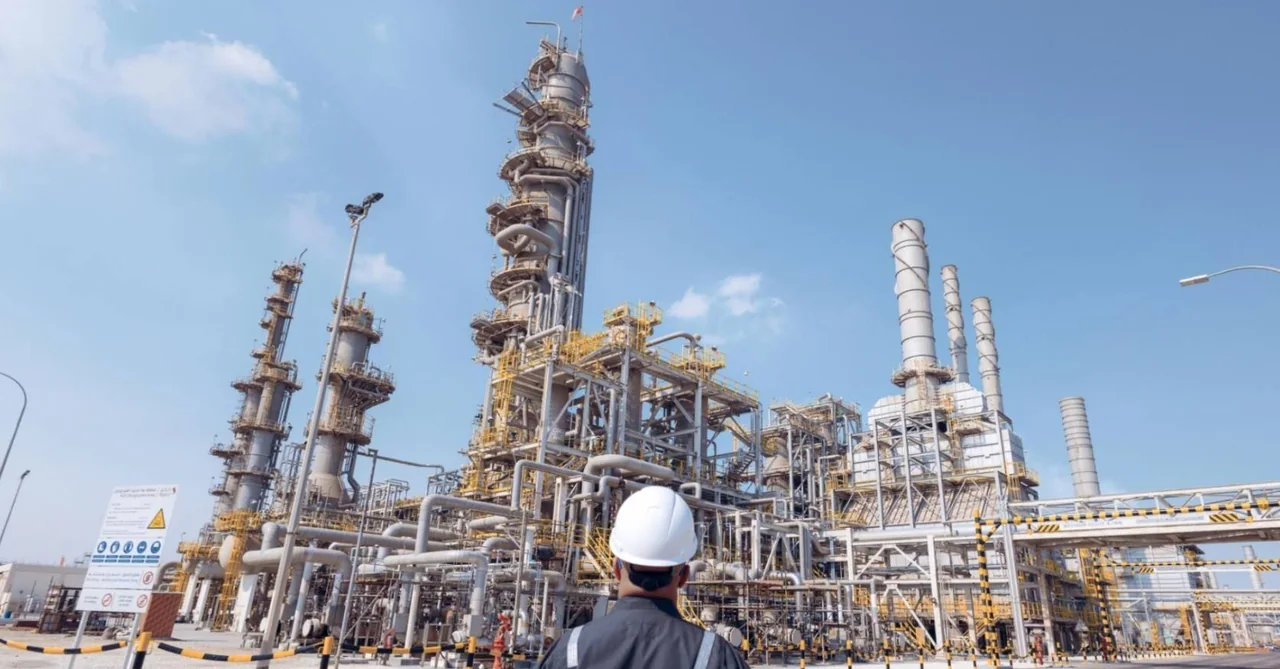
The energy landscape is witnessing a significant shift, with geopolitical tensions escalating and affecting various sectors. The recent attack on Bapco's refinery complex has sent shockwaves throughout the industry, prompting the company to declare force majeure on its group operations. This move aims to mitigate potential disruptions in fuel supply and ensure continuity of domestic demand. However, the impact of this declaration will be closely monitored by stakeholders, as it may lead to price volatility and market instability.
The Bapco refinery complex is a critical component of the company's operations, providing a significant portion of its revenue. The attack on the facility has resulted in damage and injuries, prompting the company to take extraordinary measures to maintain supply chain continuity. Despite the disruption, local fuel supply remains secure, thanks to contingency plans already in place. These measures have enabled Bapco Energies to minimize the impact of the incident on domestic demand.
The declaration of force majeure is a testament to the company's commitment to ensuring the stability and security of its operations. However, it also underscores the risks associated with investing in critical infrastructure in conflict zones. As the situation continues to unfold, it will be crucial for stakeholders to remain vigilant and adapt to changing market conditions.
The attack on Bapco's refinery complex has significant implications for the global energy market. The disruption to supply chains and potential price volatility may lead to increased uncertainty and market instability. As the industry navigates this challenging environment, it is essential to prioritize contingency planning and risk management strategies.
Bapco Energies' decision to declare force majeure demonstrates its proactive approach to managing risks and mitigating potential disruptions. However, the long-term impact of this declaration will depend on various factors, including market conditions and government responses to the conflict.
The recent attack on Bapco's refinery complex highlights the need for robust security measures in critical infrastructure. The company's commitment to maintaining supply chain continuity is a testament to its dedication to ensuring the stability and security of its operations.
As the situation continues to unfold, it will be crucial for stakeholders to remain informed and adapt to changing market conditions. The declaration of force majeure serves as a reminder of the importance of contingency planning and risk management strategies in the energy sector.
The impact of the attack on Bapco's refinery complex will be closely monitored by industry experts and analysts, who will assess the potential implications for global energy markets. The company's decision to declare force majeure demonstrates its commitment to maintaining supply chain continuity and ensuring domestic demand is met.
Bapco Energies' response to the attack highlights the importance of collaboration and communication in managing risks and mitigating potential disruptions. As the industry navigates this challenging environment, it is essential to prioritize stakeholder engagement and transparency.
The declaration of force majeure highlights the vulnerability of critical infrastructure in conflict zones and underscores the need for robust contingency planning.