
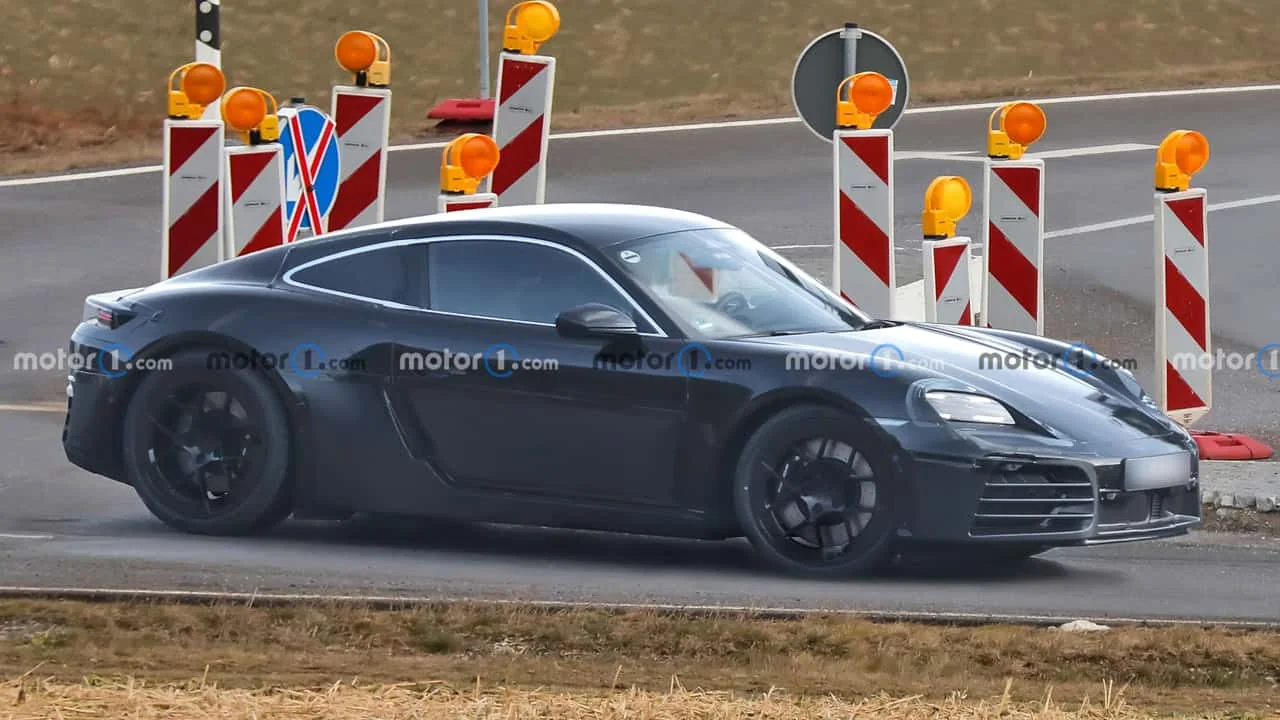
Porsche has issued a statement denying rumors that the electric version of their iconic Boxster and Cayman models are dead in the water. The German sports car manufacturer has been under pressure to electrify its lineup, with many fans and analysts expecting a shift towards electric powertrains. However, Porsche is pushing back against these expectations, claiming that there is still opportunity for gas engines in the market. Despite this, it's clear that the company is investing heavily in hybrid and electric technology, with several models already on the horizon.
The Boxster and Cayman are two of Porsche's most beloved models, and their electrification would be a significant departure from the brand's traditional powertrain offerings. If the rumors were true, this would mark a major shift in Porsche's strategy, one that could have far-reaching implications for the entire sports car industry. However, it seems that Porsche is not ready to make such a drastic move just yet.
Porsche's statement suggests that while there may be some opportunity for gas engines in certain niches or markets, the company is committed to expanding its electric vehicle offerings. This could potentially make the brand more appealing to environmentally conscious buyers who are willing to compromise on performance and handling for a more sustainable option.
The German automaker has been investing heavily in research and development, with several new models already in production or on the way. The Taycan, Porsche's first all-electric model, has been a commercial success, and the company is likely to build on this momentum with future electric offerings. However, it remains to be seen whether gas engines will continue to play a role in Porsche's lineup.
One possible explanation for Porsche's stance on gas engines is that the company wants to maintain its reputation as a high-performance brand. While electrification can offer numerous benefits, including reduced emissions and improved fuel efficiency, it can also compromise on handling and acceleration. Porsche may be hesitant to sacrifice these key aspects of the driving experience in order to appeal to environmentally conscious buyers.
Another factor at play could be market demand. While there is growing interest in electric vehicles, many buyers still prioritize performance and handling above all else. As a result, gas engines may continue to have a niche following among enthusiasts who value the unique characteristics of internal combustion powertrains.
Despite Porsche's denial of rumors about the Boxster and Cayman going electric, it's clear that the company is committed to innovation and sustainability. By investing in hybrid and electric technology, Porsche can help reduce its environmental impact while maintaining its position as a leader in the sports car industry.
Ultimately, the future of gas engines in the automotive industry will depend on market demand and technological advancements. As consumers become increasingly environmentally conscious, it's likely that electrification will continue to play a larger role in the industry. However, for now, Porsche is pushing back against these expectations, suggesting that there may still be opportunities for gas engines in certain contexts.
With its reputation as a high-performance brand and commitment to innovation, Porsche is well-positioned to navigate the shifting landscape of the automotive industry. As the company continues to invest in hybrid and electric technology, it's clear that the future of sports cars will be shaped by a complex interplay between performance, sustainability, and market demand.