The automotive landscape is shifting towards more efficient and environmentally friendly vehicles, and Nissan is taking a significant step forward with its new e-Power hybrid system. The company's approach to hybrids has been inconsistent in the past, but the upcoming launch of e-Power in the US market marks a promising change. With a focus on delivering a smooth and seamless driving experience reminiscent of an electric vehicle, Nissan aims to make its most popular model, the Rogue, a leader in hybrid technology.
The e-Power system is based on a similar principle as Honda's two-motor hybrid powertrain, with an internal-combustion engine acting as a generator to charge a battery and supply current to an electric drive motor. This setup eliminates the need for a conventional transmission, making it a gas-powered car without a traditional gearbox. The fundamental concept is comparable to a diesel-electric railroad locomotive, where the engine generates power to propel the vehicle.
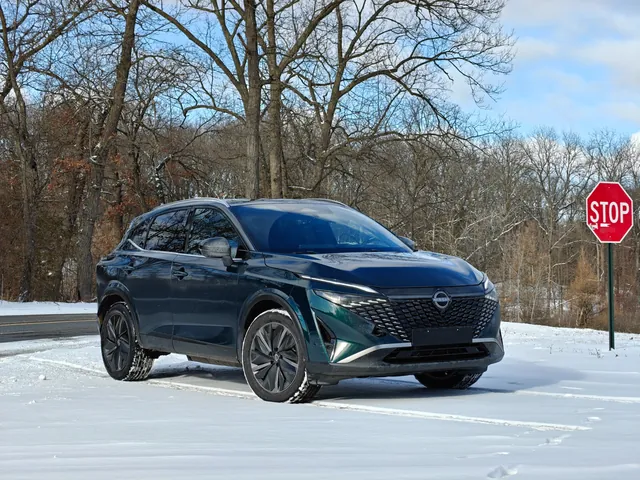
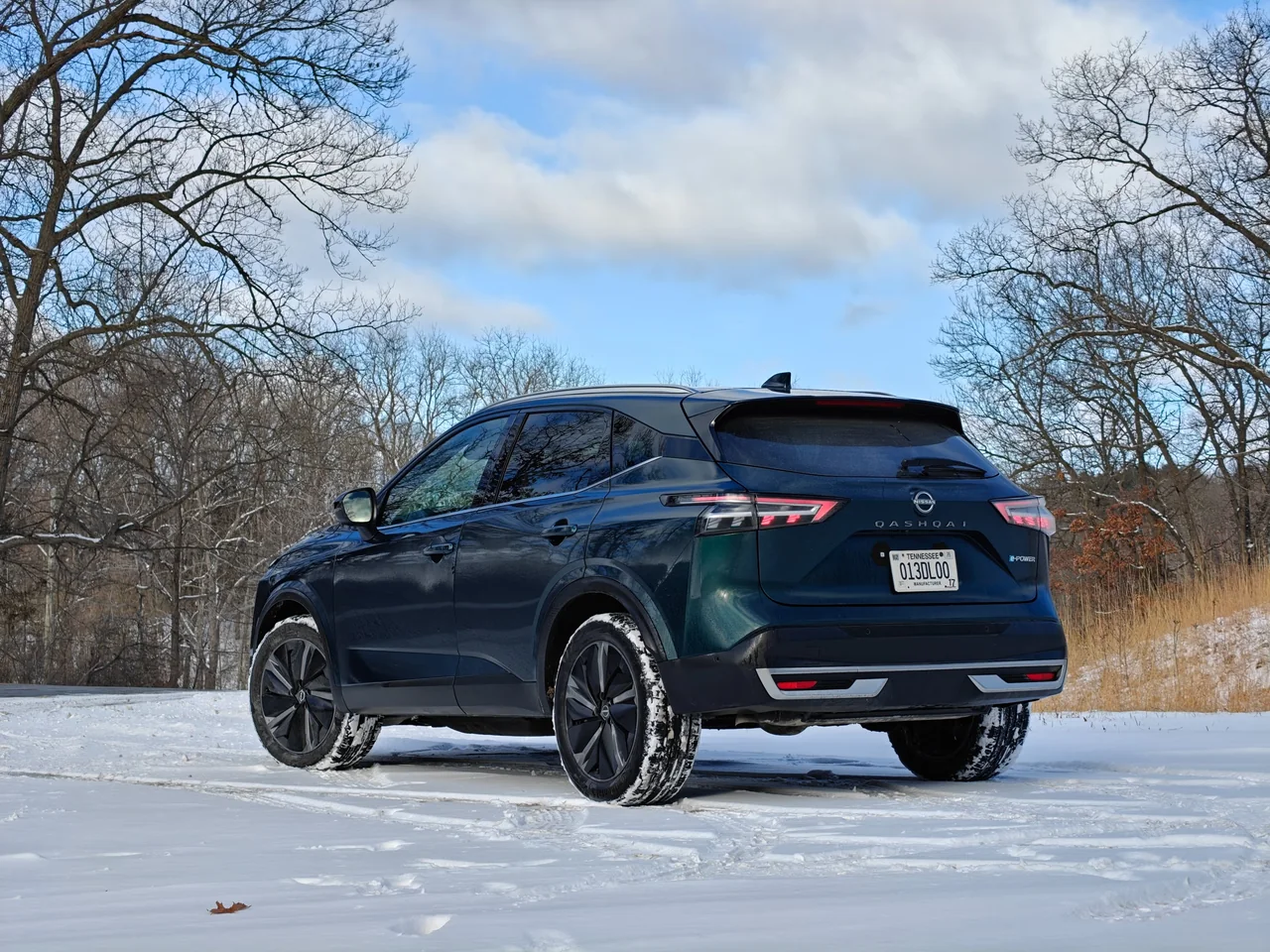
Nissan's third-generation e-Power system has been engineered to be competitive in the US market with a more potent setup than its European-market counterpart. The Qashqai, a European-spec model that was brought to the US for testing, features a turbocharged 1.5-liter inline-three engine specifically designed for use in the hybrid system. This unique engine design includes a STARC efficiency-boosting combustion-chamber system and eliminates the variable-compression mechanism found in non-hybrid models.

The decision to use a turbocharged engine instead of a naturally aspirated one is attributed to its greater efficiency during highway driving, which is a common practice among Americans. The engine serves as a starter-generator, capable of charging the 400-volt 2.1-kWh battery pack and keeping the electric motor spinning at full power. In the Qashqai, peak output sits at 202 hp, although this number may vary slightly in the Rogue e-Power.
The AWD version of the Rogue e-Power will utilize a second electric motor to power the rear wheels, providing a more balanced feel and increased traction. However, system peak power is still limited by the three-cylinder engine and battery capacity. The Qashqai e-Power's driving experience was smooth and responsive, with the turbocharged engine providing adequate power without being obnoxiously loud or intrusive.
Acceleration off the line could be improved, but the Qashqai e-Power's roll-off acceleration was comparable to that of a CR-V Hybrid. The electric motor kicked in around 15-20 mph, and gentle driving allowed the engine to seamlessly transition between power modes. A dedicated e-Pedal button provided regenerative braking capabilities, although it lacked a true one-pedal mode.

The Qashqai's driving experience was largely comparable to its Rogue Sport counterpart, with comfort-oriented steering and chassis prioritizing comfort over handling capability. The e-Power system added a new dimension to the driving experience, providing a seamless transition between power modes and improved efficiency. However, it's essential to note that the price premium for e-Power will need to be offset by fuel costs and estimated efficiency.
The upcoming Rogue e-Power is expected to offer real-world fuel economy estimates in the range of 37-40 mpg combined, comparable to or slightly better than Honda's CR-V Hybrid. This would make it an attractive option for those seeking a more efficient hybrid vehicle without sacrificing performance. Nissan's e-Power system has the potential to revolutionize the automotive industry's approach to hybrids.
The Qashqai e-Power's testing provided valuable insights into Nissan's new hybrid technology, and its application in the Rogue model promises to deliver a smooth and efficient driving experience. As the automotive landscape continues to shift towards more environmentally friendly vehicles, Nissan's e-Power system is poised to take a significant step forward in making hybrid technology accessible and desirable.

The launch of Nissan's e-Power hybrid system marks a promising change in the company's approach to hybrids, offering a seamless driving experience reminiscent of an electric vehicle. With its focus on efficiency, comfort, and performance, the Rogue e-Power is poised to become a leader in hybrid technology, making it an attractive option for those seeking a more environmentally friendly vehicle without sacrificing performance.