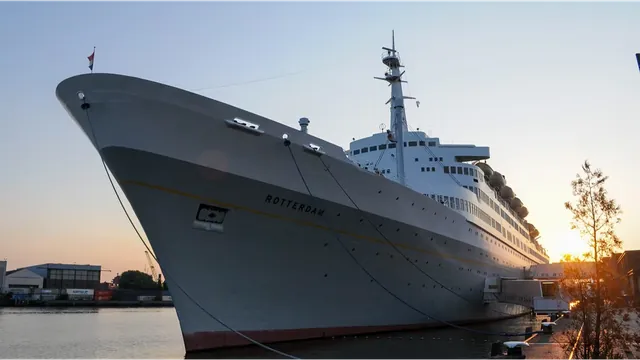

The closure of the Strait of Hormuz by Iran has effectively trapped 10 Maersk ships in the Persian Gulf, its chief executive said. In separate interviews with CNN and the Wall Street Journal, Vincent Clerc said the Danish carrier’s ships “cannot get out,” are “stuck in the Upper Gulf” and cannot leave the region. As a safety measure, Clerc said the vessels have been grouped offshore and away from ports under attack.
S. government’s Military Sealift Command, according to data on maritime identification websites. CO ) to resume normal operations.
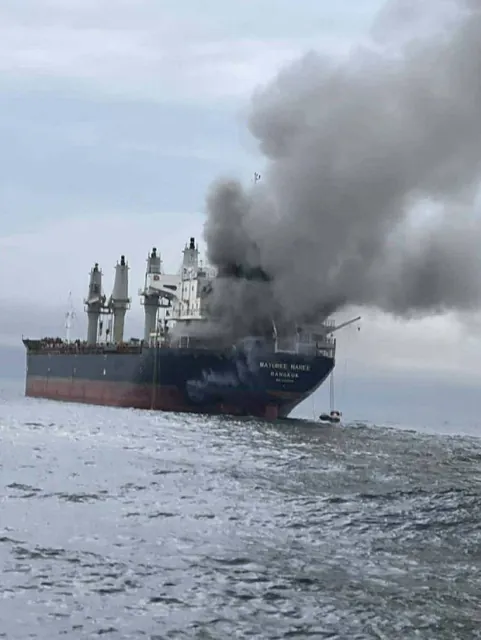
display('div-gpt-ad-1709668545404-0'); }); Clerc’s comments underscore the frustrations of shipping lines who have requested and repeatedly been denied naval escorts by the Trump administration. Carriers have been told in briefings that the Strait is still too dangerous for transit. Iran on Wednesday used unmanned boats to attack two tankers, and also deployed missiles and drones to attack ports, airports and other landside targets in the Gulf region.
A ONE container ship sustained damage from unidentified projectiles. Maersk is prioritizing the safety of crews, ships, and customers’ cargo, said Clerc, and will only restart voyages if that safety is guaranteed. Shipping executives gathered in Connecticut for an industry conference said that the Iran war has idled 10,000 merchant crew and hundreds of vessels in the Persian Gulf.
Mariners have little choice but to stay with their ships, since most airlines have suspended flights into and out of the area. Maersk, like others major carriers, has suspended or re-routed some services to and from Gulf states and is rerouting vessels via alternate hubs, to stage cargo until the strait is re-opened. It has also assessed shippers with a number of emergency surcharges.
” Bunkering terminals in Asia and the Middle East could risk running dry amid the disruption of fuel supply chains, and he warned added costs for diversions and delays will be passed on to customers. display('div-gpt-ad-1665767553440-0'); }); Read more articles by Stuart Chirls here . S.