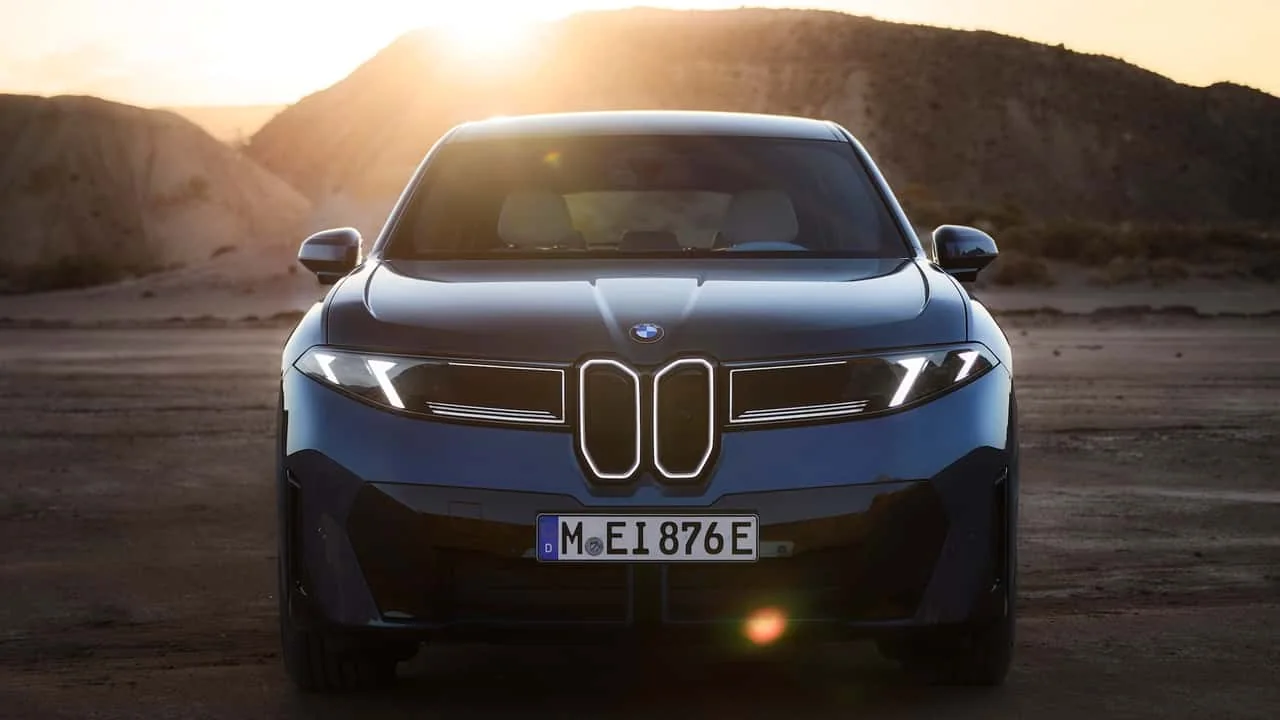
The German luxury car manufacturer has set an ambitious target of making EVs account for half of its global sales by 2027, surpassing the sales of conventional gas cars. This goal is part of BMW's broader strategy to electrify its entire lineup and reduce greenhouse gas emissions from its operations. With over 50 new electric models in development, BMW is well-positioned to meet this target and lead the charge in the EV revolution.
The gap between EVs and gas cars remains wide, with many consumers still preferring the familiar feel of traditional vehicles. However, as governments worldwide impose stricter emission regulations and consumers become increasingly environmentally conscious, the demand for sustainable transportation options is on the rise. BMW's bold move to match EV sales with gas car sales in just four years reflects this growing trend.
BMW's electrification efforts are not limited to its passenger cars. The company has also committed to making all new models available as either electric or hybrid by 2030, with a focus on reducing emissions from its manufacturing processes. This comprehensive approach is likely to have a significant impact on the industry's overall carbon footprint.
The benefits of electrification extend beyond environmental concerns, with many consumers willing to pay a premium for sustainable transportation options. As the demand for EVs continues to grow, manufacturers like BMW will need to balance their production costs with the increasing revenue generated by eco-friendly vehicles. This delicate balancing act is crucial to ensuring the long-term viability of the EV market.
Despite the challenges ahead, BMW's commitment to electrification is a significant step forward in the industry's transition towards sustainable energy solutions. With its extensive lineup of new electric models and comprehensive approach to reducing emissions, the company is well-positioned to lead the charge in the EV revolution.
The impact of BMW's bold target on the automotive industry cannot be overstated. As manufacturers like BMW strive to match EV sales with gas car sales, they will need to invest heavily in research and development, manufacturing capacity, and marketing efforts. This will require significant investment and cooperation among industry players to ensure a smooth transition.
However, the benefits of electrification extend beyond the automotive sector, with far-reaching implications for the energy market as a whole. As EVs become increasingly popular, they are likely to drive down demand for fossil fuels and reduce greenhouse gas emissions from transportation. This, in turn, will have a positive impact on public health and the environment.
While BMW's target may seem ambitious, it reflects the company's commitment to innovation and sustainability. With its extensive resources and expertise, BMW is well-positioned to play a leading role in shaping the future of sustainable transportation options. As the industry continues to evolve, manufacturers like BMW will need to stay ahead of the curve to remain competitive.
As the automotive industry continues to shift towards sustainable energy solutions, BMW is taking a bold step towards matching electric vehicle (EV) sales with traditional gas-powered car sales in just four years.