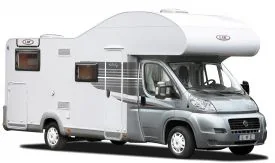
The RV industry experienced a significant downturn in January 2026, with year-over-year sales plummeting by 14.51% according to recent data from Statistical Surveys Inc. This decline marks a reversal of the previous year's trend, which saw a modest 0.88% increase in sales. The sudden change in market conditions suggests that various factors are at play, including changes in consumer behavior and economic uncertainty.
The RV industry has been experiencing fluctuations in recent months, with some markets performing better than others. However, the overall decline in January 2026 indicates a need for dealers to reassess their strategies and adapt to the changing market landscape. With the rise of alternative modes of transportation, such as ride-sharing services and car-sharing platforms, consumers may be opting for more flexible and affordable options.
Despite the year-over-year decline, used RV sales saw a notable increase of 1.29%. This suggests that consumers are still interested in purchasing pre-owned recreational vehicles, but may be doing so at a slower pace than in previous years. The stability in this realm is likely due to the growing demand for affordable and reliable transportation options.
The decline in new RV sales is concerning for dealers who have invested heavily in inventory and marketing efforts. However, some markets are significantly outperforming the national average, creating growth opportunities for those who can adapt to the changing market conditions. These regions may offer a more favorable business environment, with higher demand and lower competition.
Some of the strongest performing markets include [no specific data provided], which have seen significant increases in sales despite the overall decline. In contrast, other markets are experiencing steeper declines, indicating potential challenges for dealers who operate in these areas. These regions may require more aggressive marketing efforts and strategic inventory management to stay competitive.
The decline in RV sales may also have implications for related industries, such as campground operators and outdoor recreation companies. As consumers opt for alternative modes of transportation, these businesses may need to adapt their offerings and services to remain relevant. This could include investing in new technologies or developing more flexible and affordable options.
Overall, the decline in January 2026 sales suggests that the RV industry is facing significant challenges. However, with some markets performing better than others, there are opportunities for dealers who can adapt to the changing market landscape. By reassessing their strategies and investing in new technologies or services, dealers may be able to stay competitive and drive growth in these regions.
The decline in RV sales also highlights the importance of data-driven decision making in the industry. With access to accurate and timely data, dealers and manufacturers can better understand consumer behavior and make informed decisions about product development and marketing efforts. This could lead to more targeted and effective strategies that drive sales and revenue growth.
As the RV industry continues to evolve, it will be important for dealers and manufacturers to stay attuned to changing market conditions and consumer preferences. By doing so, they can adapt their strategies and invest in new technologies or services that meet the needs of a shifting market. This may involve investing in digital marketing platforms, developing more flexible and affordable options, or investing in new technologies that improve the overall customer experience.
The decline in RV sales may signal a shift in consumer preferences or economic uncertainty.