



A rhythmic pinging sound that progressively increases as you step on the throttle is a clear indication of rod knock, a condition where your engine is running on borrowed time. Ignoring it for an extended period can result in the engine seizing up, leaving you stranded on the side of the road. The question remains, how can you tell if it's rod knock or something else that's causing the noise? With sounds similar to failing water pump bearings and tappety valves, it's essential to seek the help of someone with a trained ear to diagnose the issue accurately.
For those who are mechanically inclined, diagnosing the origin of the sound is a good starting point. If the ticking sound is located at the bottom of the engine and becomes louder as you press the throttle pedal, it's likely rod knock. On the other hand, if the noise is closer to the top of the engine and progresses relatively slowly, it may be related to the valvetrain.
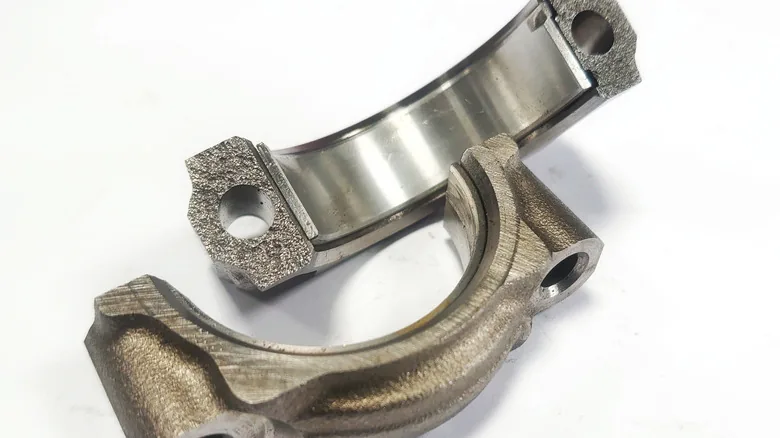
Inspecting the engine oil for excessive metal shavings can confirm suspicions of a rod knock, provided the symptoms align with low oil levels and reduced oil pressure. However, understanding the role of rod bearings in an engine is crucial to grasping this concept. Rod bearings are typically softer multi-metal varieties sandwiched between the crankshaft and connecting rod, separated by a thin layer of oil.

This oil acts as a barrier between the bearing's surface and that of the crank journal, reducing friction when the engine has sufficient oil levels. However, when the engine is low on oil, this barrier weakens, resulting in direct metal-to-metal contact and increased friction.
The consequences of this increased friction are dire: it can lead to premature wear and tear on the rod bearings, ultimately causing them to fail. This failure can then trigger a chain reaction of problems throughout the engine, culminating in catastrophic failure if left unchecked.
In addition to diagnosing the issue, it's essential to understand when to take action. The sooner you address the problem, the less likely you are to suffer the consequences of prolonged neglect. By recognizing the symptoms of rod knock and taking prompt action, you can prevent costly repairs down the line.
The importance of regular maintenance cannot be overstated in this context. Regular oil changes, checks for leaks, and inspections can help identify potential issues before they become major problems. By staying on top of your engine's health, you can avoid the devastating consequences of rod knock.
In conclusion, rod knock is a silent killer that can wreak havoc on your engine if left unchecked. By understanding its causes, symptoms, and consequences, you can take proactive steps to prevent it from becoming a major issue down the line.
Ultimately, addressing rod knock requires a combination of knowledge, vigilance, and prompt action. By staying informed and taking care of your engine, you can avoid the financial and emotional stress that comes with dealing with this debilitating condition.
Rod knock can lead to catastrophic engine failure if left unchecked.