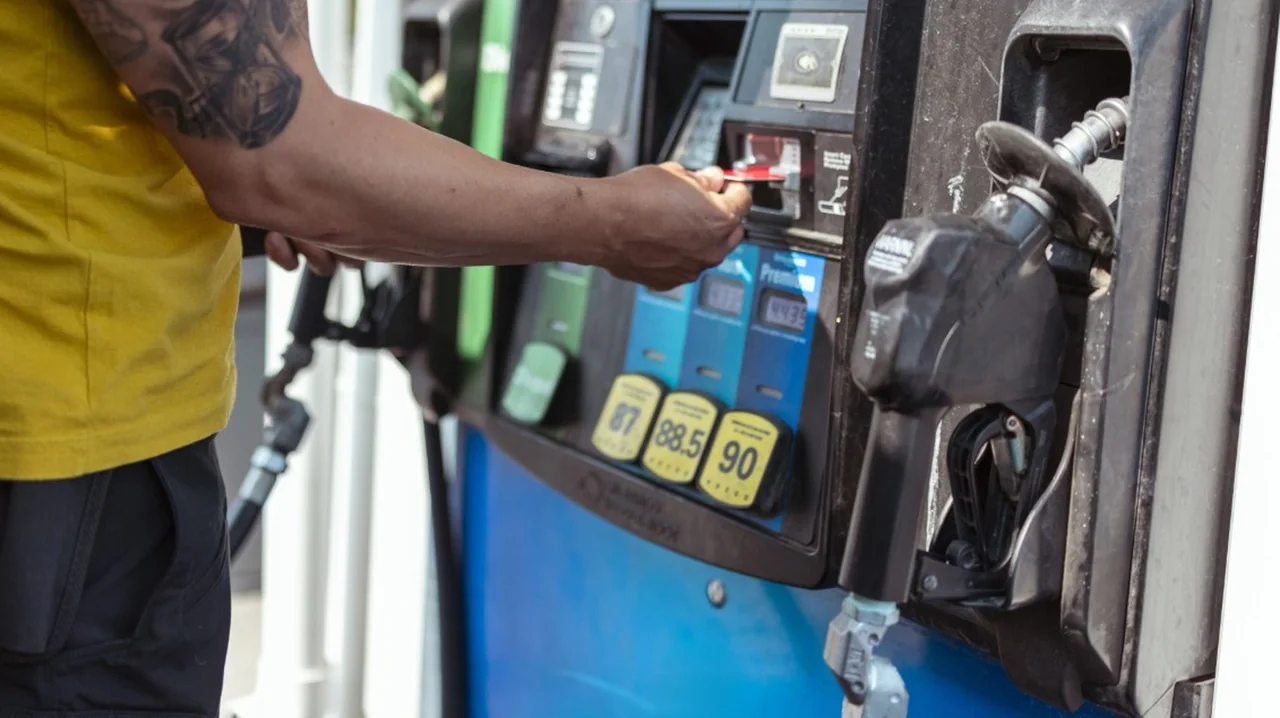
Alaskans have long been puzzled by the absence of gasoline with an octane rating above 90. Despite numerous searches, no official acknowledgment of this limit has been found in government or industry sources. The situation seems almost conspiratorial, but a closer examination reveals more mundane explanations. One possible reason for the octane cap is Alaska's lack of ethanol production, which is used to create most high-octane gasoline. This limitation presents a significant roadblock in the production of premium gasolines.
Alaska's refining capabilities are also limited by its reliance on just one major refinery, the Marathon refinery in Kenai. Producing high-octane gas without ethanol would require significant investments in new equipment, which is likely to be prohibitively expensive for smaller refineries. The state's top refinery has a capacity of only 68,000 barrels per day, with most of its output going towards jet fuel, diesel, and other products.
High-octane gas is typically produced by blending ethanol with refined gasoline. Most crude oil produces gasoline with an octane rating of around 84, which is then blended with ethanol to create a higher-octane version. However, producing premium gasolines requires a more complex process involving the use of blendstocks and alkylation. The latter process involves mixing chemicals to form hydrocarbons with high octane ratings, but it requires expensive equipment that few refineries in Alaska can afford.
The lack of ethanol production in Alaska is largely due to the state's cold climate, which makes it difficult to grow corn. As a result, most ethanol comes from other states, and transportation costs are high due to the corrosive effect of ethanol on pipelines. The absence of rail lines connecting Alaska to the Lower 48 further exacerbates this issue, leaving gasolines capped at 90 octane.
The situation is particularly challenging for Alaskans who own vehicles that require premium gasoline. Some engines can only run on high-octane fuel, making it difficult for residents to find suitable alternatives. The lack of options has led many to wonder if there's a conspiracy behind the absence of high-octane gasolines in Alaska.
While some experts have questioned the official story surrounding the octane limit, our research suggests that the reasons are more practical than conspiratorial. The limitations imposed by Alaska's refining capabilities and reliance on ethanol production create significant barriers to producing premium gasolines. It remains to be seen whether new technologies or investments will help address this issue in the future.
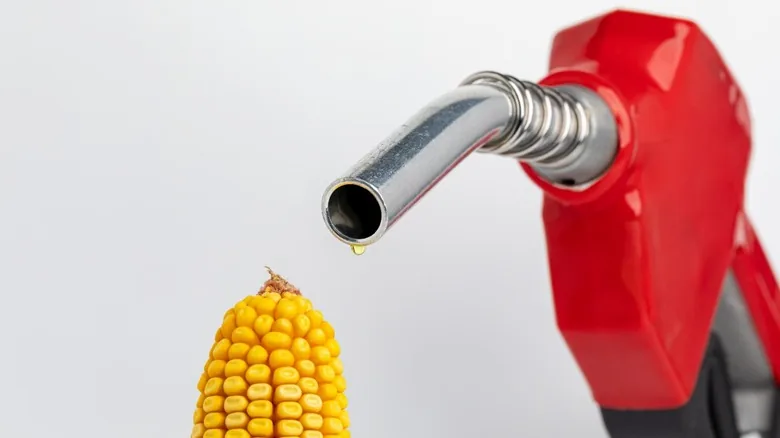
In theory, it is possible to produce high-octane gasoline without ethanol using alkylation processes. However, these methods require expensive equipment that few refineries in Alaska can afford. The state's refining capabilities are already stretched thin, and adding new technologies would likely be a significant undertaking.
The situation highlights the complexities of the US fuel infrastructure. While some states have more refined gasolines available, others face challenges due to their unique geography or climate conditions. As the energy landscape continues to evolve, it will be interesting to see how Alaska addresses its gasoline conundrum in the coming years.
For now, Alaskans are left to wonder why they can't find premium gasolines beyond 90 octane. While the official story may not be entirely clear-cut, our research suggests that practical limitations rather than conspiracy theories are at play. We invite readers to share their thoughts on this issue and explore other articles on fuel infrastructure and engine maintenance.
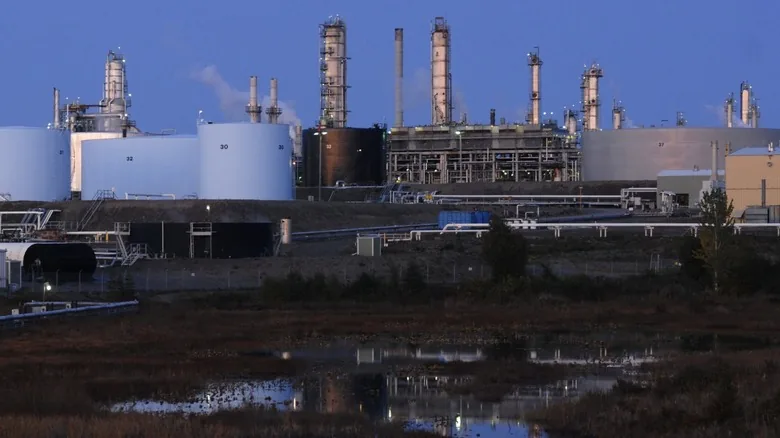
The lack of high-octane gasoline options in Alaska is likely due to the state's limited refining capabilities and reliance on ethanol production, which is primarily sourced from corn.