

SunLine Transit Agency has been at the forefront of hydrogen bus development in North America for over two decades. Since 2000, the agency has invested heavily in hydrogen production and dispensing infrastructure, testing various electrolyzer and reformer technologies. Despite its commitment to this alternative fuel source, SunLine's experience reveals a complex and costly journey towards establishing a mature hydrogen ecosystem.
The early years of SunLine's hydrogen program were marked by significant milestones, including the installation of an 84 kg/day electrolyzer in 2000 and a commercial 228 kg/day HyRadix Adéo reformer in 2006. However, these upgrades came at a cost, with the agency continuing to cycle through different bus technologies and suppliers.
SunLine's refueling history can be divided into four generations, each representing a significant leap forward in technology and infrastructure. The first generation was marked by small-scale electrolyzer installations, followed by the introduction of reformers and upgrades to dispensing systems. The third generation saw the installation of a large PEM electrolyzer station in 2019, while the fourth generation added a liquid hydrogen station in 2024.
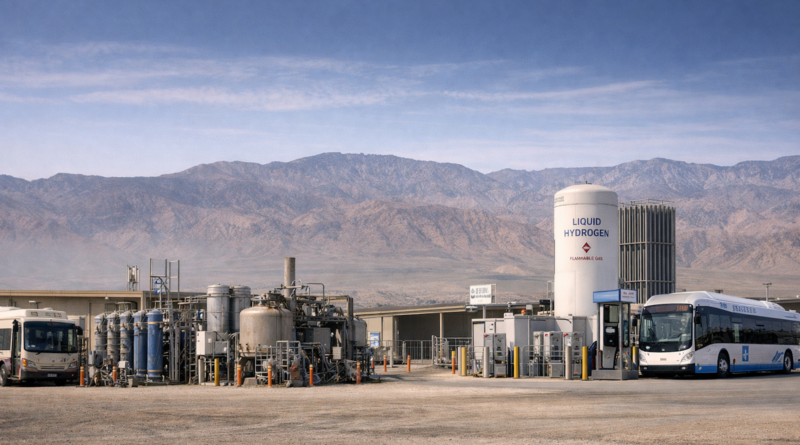
The capital invested in SunLine's refueling system over the years is staggering, with estimates suggesting that around $27M was spent or committed in 2026 dollars. This figure includes major milestones such as electrolyzers, reformers, compression and storage upgrades, and compressor repairs. However, despite this significant investment, SunLine's hydrogen economics have remained high and volatile.
The agency's experience highlights the challenges of establishing a sustainable hydrogen transit system. Despite its commitment to this alternative fuel source, SunLine has struggled to achieve long-term cost savings and reliability. The high costs associated with hydrogen production and dispensing are a significant challenge for the industry as a whole.
SunLine's story serves as a cautionary tale for agencies considering alternative fuel sources. While hydrogen transit may offer environmental benefits, the high costs and volatility associated with this technology make it difficult to achieve long-term sustainability. As the industry continues to evolve, it is essential that agencies prioritize cost savings and reliability in their transition to cleaner fuels.
The success of hydrogen transit will depend on its ability to overcome these challenges and establish a stable, cost-effective ecosystem. Until then, agencies like SunLine will continue to face significant hurdles in achieving long-term sustainability.
As the transportation sector continues to grapple with the challenges of reducing emissions, alternative fuel sources like hydrogen are likely to play an increasingly important role. However, it is essential that we learn from SunLine's experience and prioritize cost savings and reliability in our transition to cleaner fuels.
The future of hydrogen transit remains uncertain, but one thing is clear: the industry must prioritize cost savings and reliability if it hopes to achieve long-term sustainability.
The high costs of hydrogen transit are a significant challenge for the industry, making it difficult for agencies to achieve long-term sustainability.