The departure of Tesla from the luxury electric vehicle (EV) market is a significant development in the automotive industry. With the discontinuation of its Model S and Model X, Tesla is no longer the only option for customers seeking high-end EVs. This shift marks a turning point in the market, as it opens up opportunities for other manufacturers to fill the gap.
The luxury EV segment has been a key area of focus for Tesla, with the Model S and Model X being two of its flagship models. However, the increasing presence of competitors such as Lucid Motors, Rivian, and Porsche has led to a surge in options for customers. This increased competition is likely to drive innovation and improve the overall quality of luxury EVs.
The discontinuation of the Model S and Model X also signals a shift towards more sustainable and environmentally friendly transportation options. As consumers become increasingly aware of the importance of reducing their carbon footprint, the demand for eco-friendly vehicles has never been higher. This trend is expected to continue in the coming years, with luxury EVs being at the forefront of this shift.
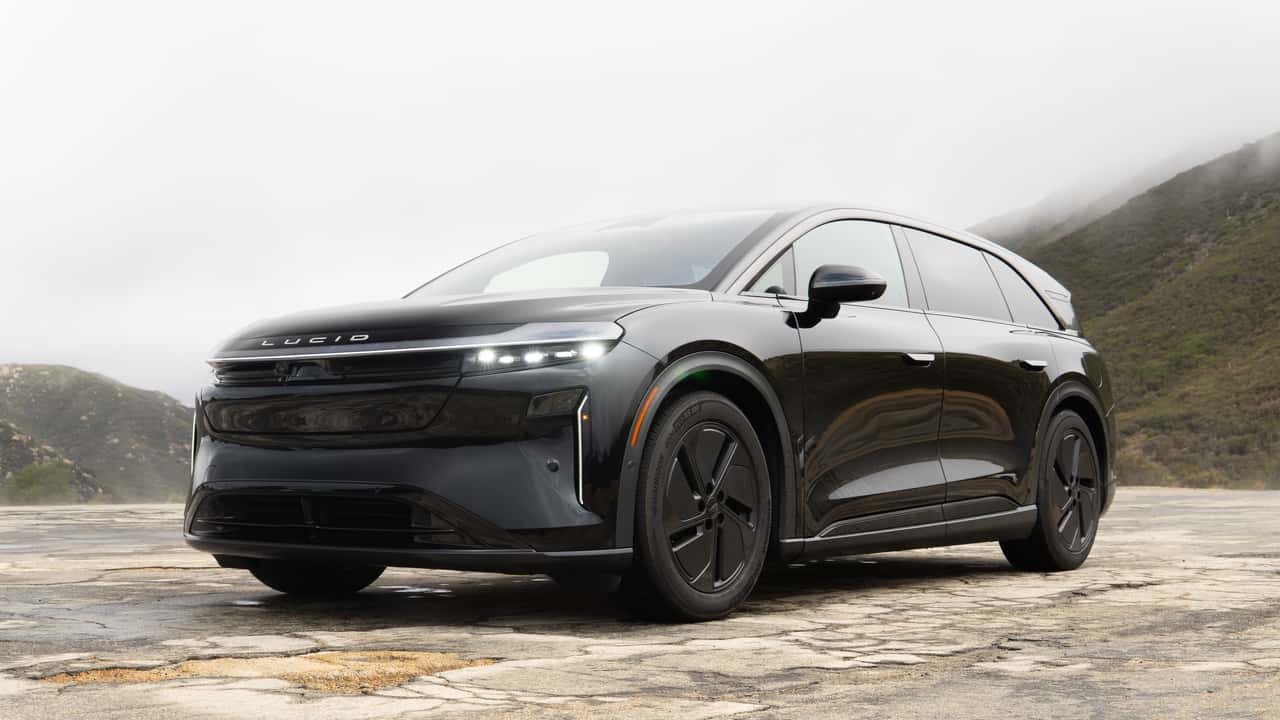
Lucid Motors, a relatively new player in the automotive industry, has taken notice of Tesla's departure and is capitalizing on the opportunity. The company's flagship model, the Lucid Air, is a direct competitor to the Model S and Model X, offering similar features and performance at a competitive price point. With its sleek design and impressive range, the Lucid Air is poised to become a major player in the luxury EV market.
The discontinuation of the Model S and Model X also has implications for Tesla's business model. As customers return to shop for luxury EVs, Tesla will need to adapt its strategy to remain competitive. This may involve revising its product lineup or exploring new revenue streams, such as subscription-based services or used car sales.
However, it is worth noting that Tesla's decision to discontinue the Model S and Model X was likely driven by a desire to focus on more profitable areas of its business. The company has been investing heavily in autonomous driving technology and has announced plans to expand its energy storage products. These initiatives are expected to generate significant revenue for Tesla in the coming years.
The discontinuation of the Model S and Model X also marks an important milestone in the evolution of the luxury EV market. As consumers become increasingly aware of the importance of sustainability, manufacturers will need to prioritize eco-friendly technologies and design principles. This shift is likely to have a lasting impact on the industry, driving innovation and improvement in the years to come.
The increased competition in the luxury EV market is also expected to drive prices down. With multiple manufacturers vying for customers' attention, prices are likely to become more competitive, making high-end EVs more accessible to a wider range of consumers. This trend is already evident, with many luxury EVs now priced below $100,000.
Ultimately, the discontinuation of the Model S and Model X marks an exciting new chapter in the history of the luxury EV market. As manufacturers continue to innovate and improve their products, customers will be treated to a wider range of options than ever before. The future of sustainable transportation looks brighter than ever, with luxury EVs playing a major role in this shift.