
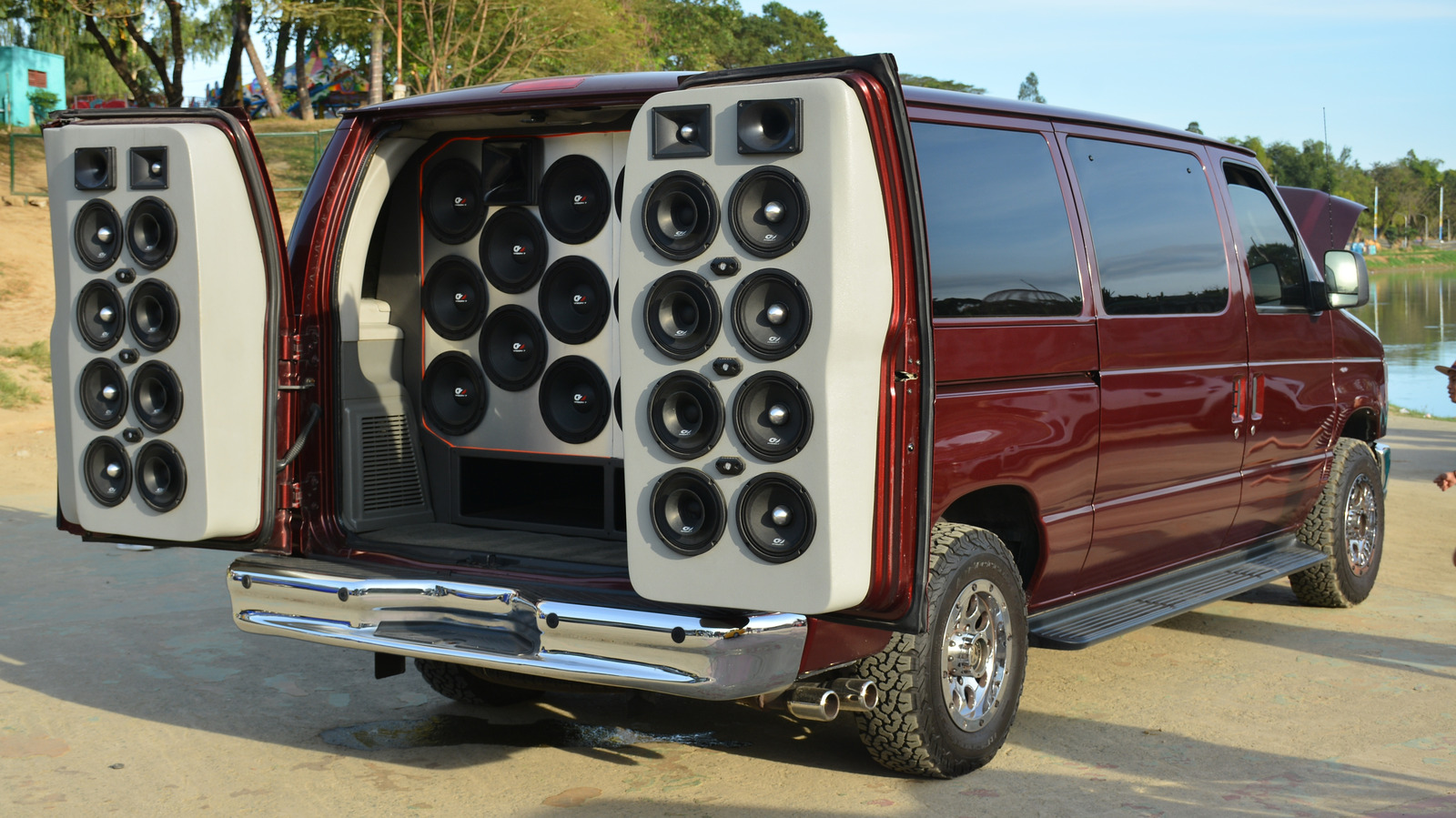
Driving is not just about getting from point A to point B; for some people, it's an experience that brings joy and excitement. For others, the thrill of driving lies in the feeling of their sports cars or the sense of freedom with open-top convertibles. However, for those who enjoy blasting music while cruising down the street, they might not be aware of the potential trouble that awaits them. In many communities, playing music too loudly from a car stereo can lead to fines and penalties, especially in areas where noise levels are already high. This raises questions about personal freedom versus community well-being.
The lack of federal regulations on loud music from car stereos is surprising, given the importance of maintaining peace and quiet in various settings. While some states have enacted laws specifically addressing noise pollution, others rely on local ordinances to regulate sound levels. The absence of a national standard can lead to confusion among drivers and law enforcement officials, highlighting the need for clearer guidelines and more consistent enforcement.
In Florida, for instance, police officers can ticket drivers who play their music too loudly if they hear it from just 25 feet away. This rule was introduced to protect vulnerable areas such as schools, churches, and hospitals, where excessive noise can be a hindrance to operations. The law views loud music as a non-moving traffic violation, with established fines totaling around $114 or $116.
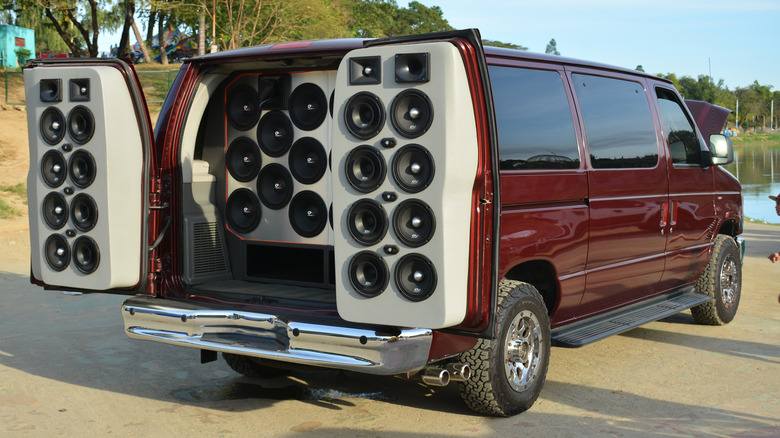
The enforcement of these rules varies across jurisdictions, but the consequences for violating noise regulations are often severe. In Austin, Texas, playing music that is audible beyond 30 feet from the vehicle can result in a Class C misdemeanor, carrying a fine of up to $500. This highlights the importance of being mindful of sound levels when driving through residential neighborhoods or areas with sensitive operations.
Research has shown that excessive noise levels can have serious consequences, including slowed wound healing and longer hospital admissions. The World Health Organization recommends that overnight hospital noise levels should not exceed 35 decibels. By regulating music volumes in cars, communities can help mitigate these negative effects and promote a healthier environment.
In Buffalo, New York, the city explicitly prohibits sound-reproduction devices within 500 feet of any hospital if they are audible inside the building. This restriction applies around the clock, making it essential for drivers to be aware of their surroundings when driving near hospitals or other sensitive facilities.
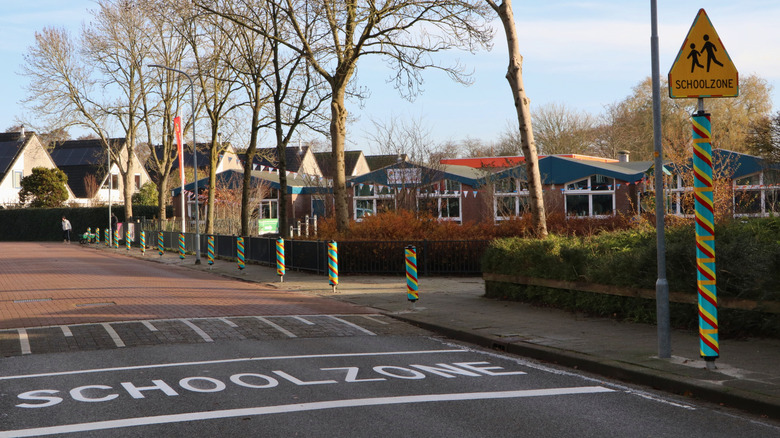
Many jurisdictions strengthen penalties for violations in residential neighborhoods, where complaints about loud car stereos are often concentrated. In Atlanta, for example, drivers who play music too loudly in these areas may face fines and penalties that are more severe than those in other parts of the city.
The lack of federal regulations on loud music from car stereos is a reminder that community well-being and personal freedom can sometimes come into conflict. By understanding the rules and regulations surrounding sound levels in cars, drivers can help promote a safer and healthier environment for everyone.
As we move forward, it's essential to consider the impact of our actions on those around us. By being more mindful of music volumes when driving, we can contribute to a culture of respect and consideration for others.
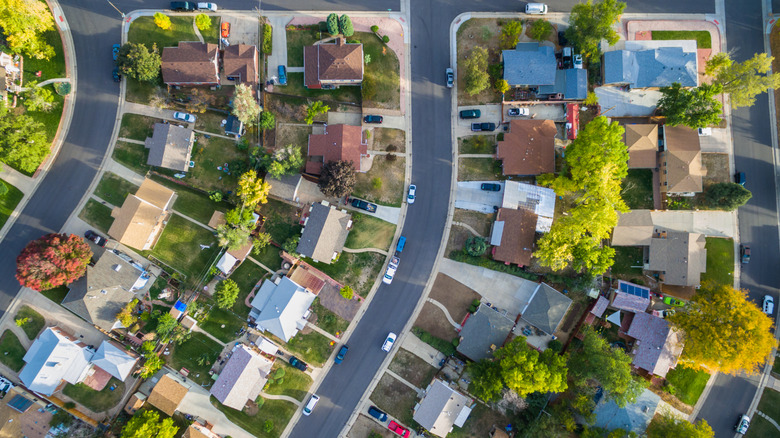
Playing music too loudly in a car can have serious consequences, especially in residential neighborhoods and near hospitals.