

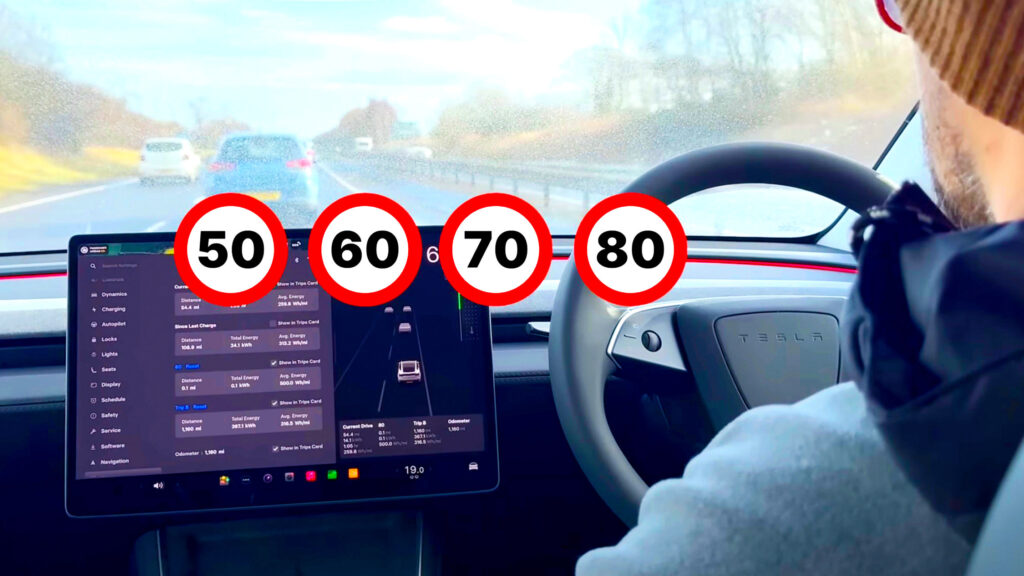
The development and production of electric vehicles have become increasingly complex, with manufacturers facing significant challenges in meeting regulatory requirements. One of the key areas of concern is the speed at which EVs can operate without compromising their safety and efficiency. As a result, many manufacturers are now implementing speed limitation systems to mitigate these risks.
These systems typically involve the use of advanced sensors and software algorithms that monitor the vehicle's speed and adjust its performance accordingly. While this approach may seem like a straightforward solution, it comes with significant costs for manufacturers. The installation of these systems can add tens of thousands of dollars to the production cost of an EV, making them less competitive in the market.
The impact of these costs on the automotive industry as a whole is still being felt. With many consumers now prioritizing environmental sustainability and safety above all else, manufacturers are under increasing pressure to meet these demands without sacrificing profitability. As a result, the development of more affordable and efficient EVs has become a pressing concern for industry leaders.
One potential solution to this problem could be the use of advanced materials and technologies that reduce the weight and complexity of EVs. By minimizing the need for expensive speed limitation systems, manufacturers may be able to offset some of these costs and make their vehicles more competitive in the market.
However, the development of such technologies is a complex and time-consuming process that requires significant investment and research. As a result, it will likely take several years before we see the widespread adoption of lighter and more efficient EVs.
In the meantime, manufacturers are left to navigate the challenges of implementing speed limitation systems without sacrificing profitability. This can be a difficult balancing act, as manufacturers must carefully weigh the costs and benefits of these systems against the needs and expectations of their customers.
The impact of these systems on consumer behavior is also an area of concern for industry leaders. While some consumers may view speed limitations as a necessary safety feature, others may see them as a restriction on their freedom to drive their vehicles at high speeds. As a result, manufacturers must carefully consider how they communicate the benefits and drawbacks of these systems to their customers.
Ultimately, the development of more efficient and affordable EVs will require significant investment and innovation from manufacturers. By prioritizing sustainability and safety while also minimizing costs, industry leaders can help to drive growth and adoption in this critical market.
As the automotive industry continues to evolve in response to changing consumer demands and technological advancements, one thing is clear: the development of more efficient and affordable EVs will be a key driver of innovation and progress in the years to come.
The increasing adoption of electric vehicles (EVs) has led to concerns about their speed capabilities and the potential costs associated with modifying them.