

The automotive industry has been on high alert for years, waiting for the perfect moment to pivot towards electric vehicles. However, it seems that many companies have been playing it safe, hesitant to take a stand against the current administration's policies. Honda's recent decision to pull out of three highly anticipated electric vehicle programs is a stark reminder that this approach may not be sustainable in the long run.
By publicly blaming the Trump regime for their massive $15.8 billion loss, Honda has sent a clear message: they will no longer be bullied by politicians. This bold move reveals a shift in the industry's mindset, with companies now willing to take a stand against policies that harm their bottom line.
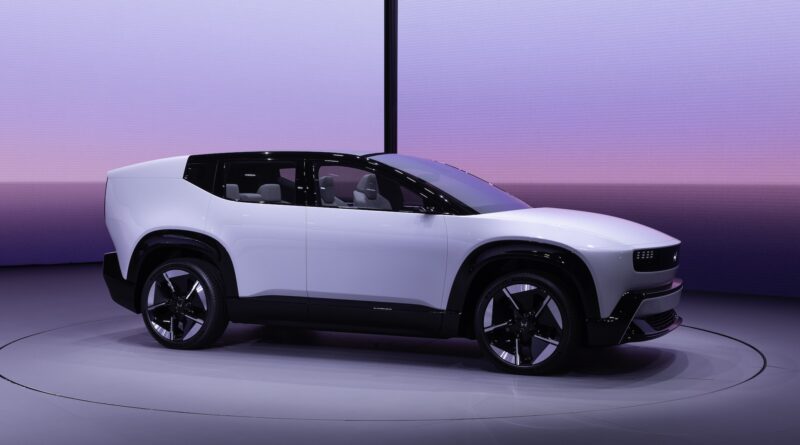
The automaker's decision to scrap the 0 Series SUV, the 0 Series Saloon, and the Acura RSX for the US market is a significant blow to the electric vehicle market. However, it's not just about the financial losses; it's also about the message Honda is sending to investors and consumers.
Honda's CEO, Toshihiro Mibe, has taken ownership of the decision, stating that his first priority is to stop the bleeding. This level of accountability is rare in the industry, where executives often hide behind corporate statements to avoid taking responsibility for their mistakes.
The fact that top executives are taking 30 percent pay cuts for the next three months while Mibe and his executive vice president take a 20 percent cut is a clear indication that someone needs to be held accountable. This level of personal ownership is a testament to Honda's commitment to transparency and honesty.
This decision also highlights the impact of federal tax credits on the automotive industry. The reduction of these credits has led to a slowdown in electric vehicle sales growth, making it difficult for companies to justify investing in EV programs.
Furthermore, the rollback of emissions standards has created an uncertain environment for automakers. Honda's decision to pull out of three programs is a direct result of this uncertainty, and it's clear that they cannot afford to continue operating in such an environment.
The industry as a whole needs to take note of Honda's move. If companies are willing to speak out against policies that harm their bottom line, perhaps we can see a shift towards more sustainable and responsible business practices.
Ultimately, Honda's decision serves as a wake-up call for the automotive industry. It's time for companies to stop playing it safe and start taking a stand against policies that threaten their future.