

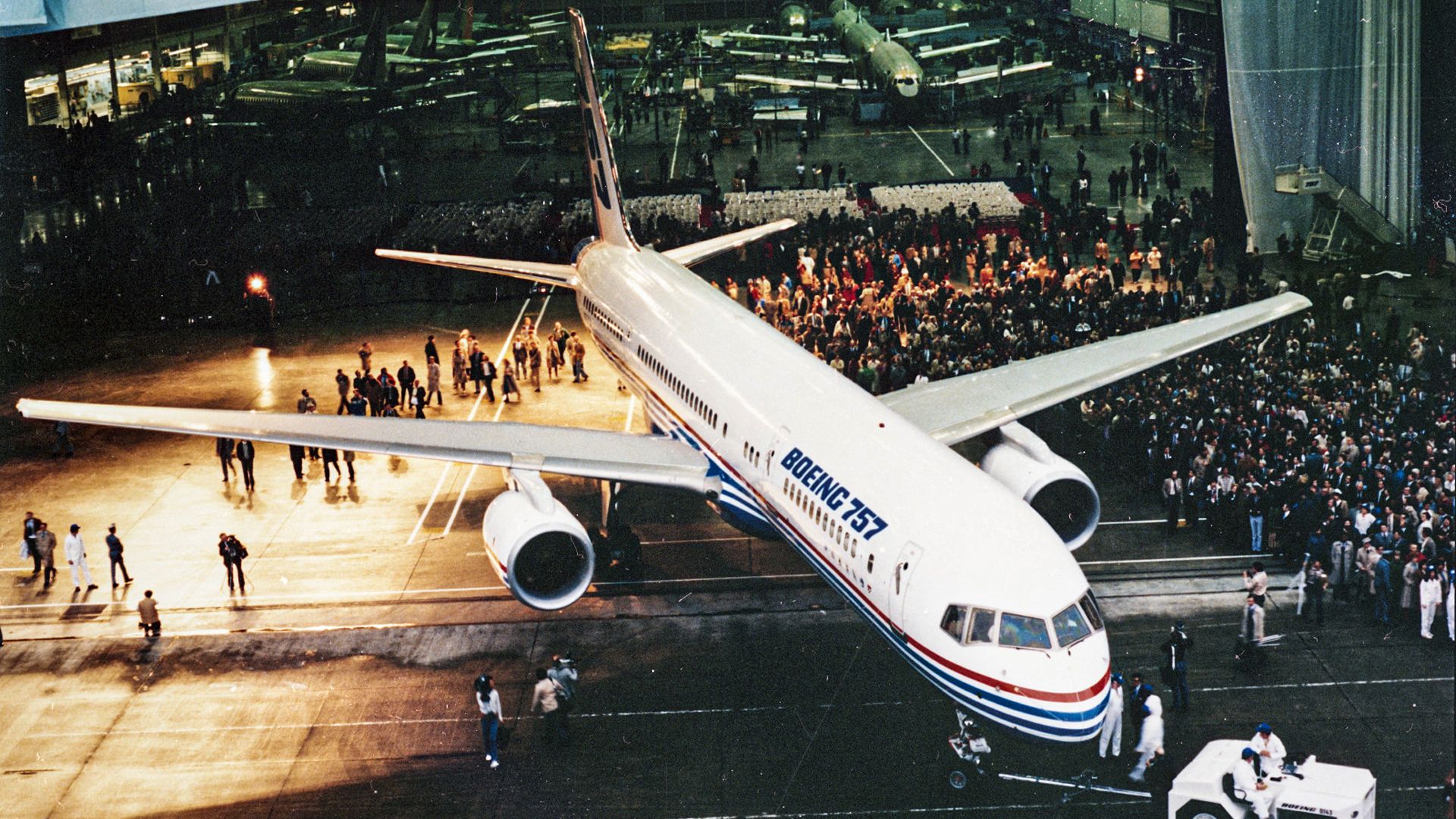
The Boeing 757 is often recognized as one of the most capable and versatile narrowbody aircraft ever built. Introduced in the early 1980s, it combined strong performance with relatively efficient operations, allowing airlines to fly everything from short domestic hops to transatlantic long and thin routes. This versatility made the 757 a true workhorse for many carriers, who valued its power, flexibility, and efficiency.
Despite its strengths and loyal following, Boeing ended production of the 757 in 2004, a decision that surprised many aviation enthusiasts, especially as the aircraft continued to perform well in service. However, the 757's fate was ultimately shaped by shifting airline economics, changing market demand, and Boeing's own strategic priorities.
When the Boeing 757 first entered service, it filled an important niche between smaller narrowbody and larger widebody aircraft - with seating for roughly 200-290 passengers, it offered more capacity than earlier aircraft like the Boeing 737, while avoiding the cost of widebody operations. However, by the late 1990s and early 2000s, that niche began to shrink, and airlines increasingly favored either smaller aircraft for frequent short-haul flights or larger widebodies for high-demand long-haul routes.

The middle of the market, where the 757 sat, became less attractive as improved versions of the Boeing 737 and Airbus A320 families started to encroach on its territory. These newer narrowbodies could handle many of the same routes as the 757, but with lower operating costs and better fuel efficiency, and as a result, airlines simply stopped ordering the 757 in large numbers.
The aircraft had not become obsolete; it had just become less necessary. The shift was particularly noticeable among low-cost carriers, who prioritized simplicity, high utilization, and minimal costs, areas where smaller jets like the 737 Next Generation had a clear advantage over the 757.
Fuel efficiency has always been one of the most important factors in commercial aviation, and as fuel prices fluctuated and environmental pressures increased, airlines sought aircraft that could do more with less. The Boeing 757, while efficient for its time, was designed with powerful engines and strong performance capabilities, including the ability to operate from shorter runways.
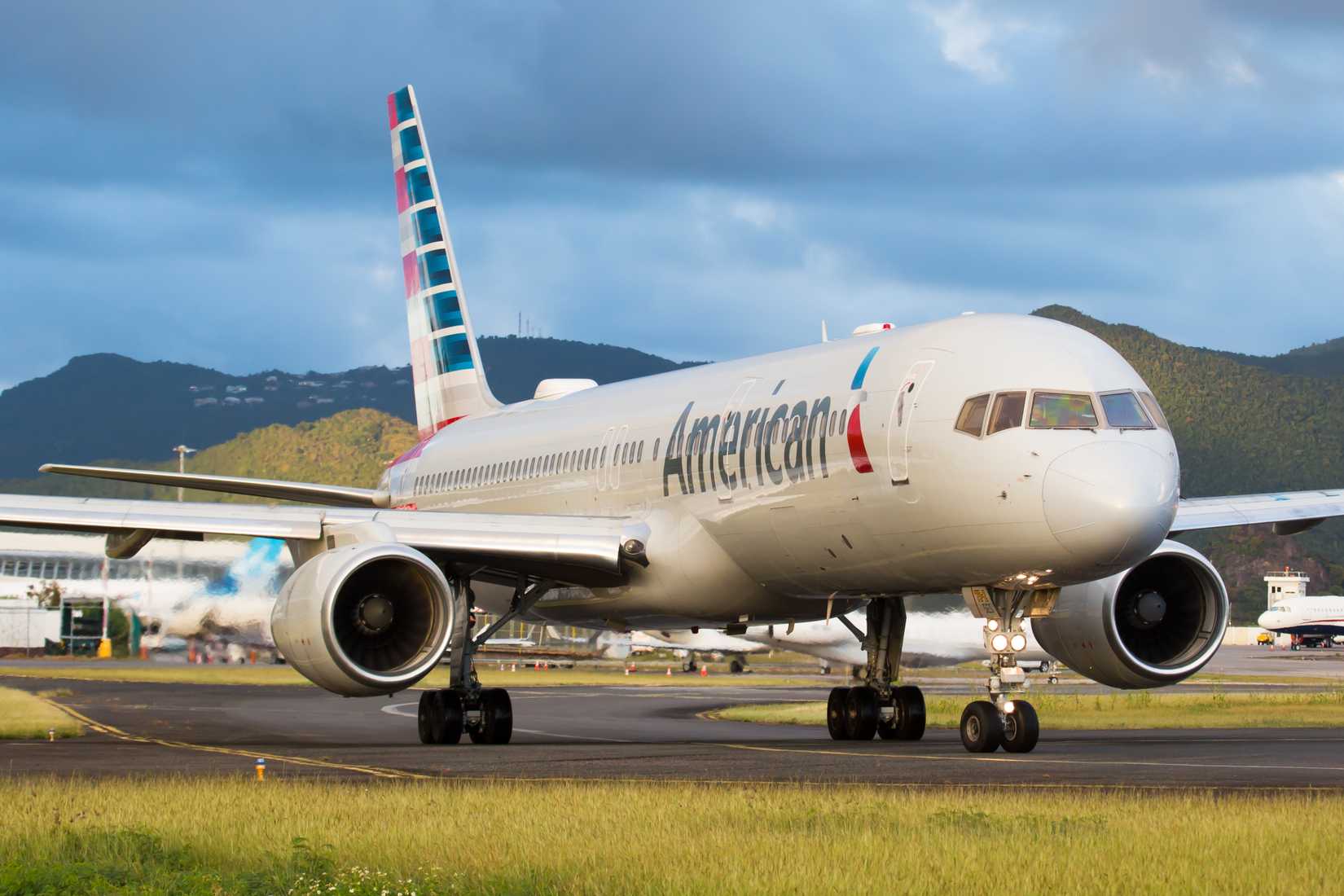
However, these features came at a cost, and the Boeing 757 was often too powerful for many of the routes that it operated. Newer aircraft like the 737 Next Generation and later variants offered lower fuel burn on typical short- and medium-haul routes, and airlines realized they could achieve similar results with smaller jets that were cheaper to operate and easier to fill with passengers.
The end of the Boeing 757's production run marked a significant turning point in the commercial aviation industry. As airlines continue to prioritize efficiency and cost-effectiveness, it remains to be seen whether any aircraft can replicate the 757's unique blend of performance and versatility.
In the years since its retirement, the Boeing 757 has become a nostalgic reminder of an era when airlines were willing to pay a premium for capacity and flexibility. While its legacy lives on in the form of newer aircraft designs, it will always be remembered as one of the most capable and beloved narrowbodies of all time.

As the commercial aviation landscape continues to evolve, it's clear that the 757's niche was always a narrow one.