
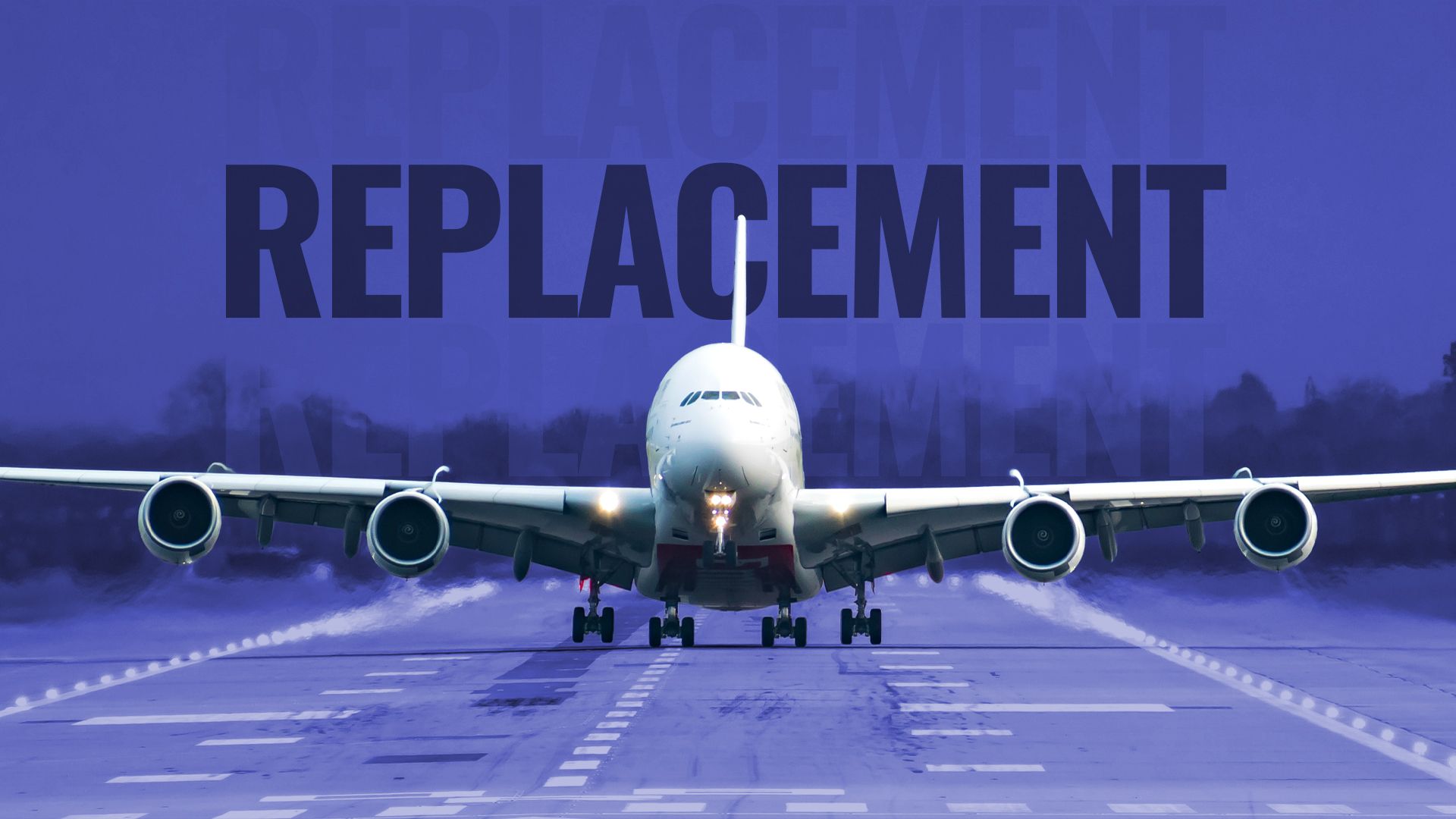
The Airbus A380, once the pride of the skies, has been slowly dwindling in number since its production was discontinued in 2021. The COVID-19 Pandemic dealt a devastating blow to quadjet manufacturing, forcing airlines to reassess their fleets and make difficult decisions about which aircraft to keep flying. Despite its iconic status, the A380's production run was marked by declining sales and increasing operating costs.
Emirates has taken a proactive approach in keeping the A380s in service, purchasing secondhand superjumbos from carriers that retired theirs due to mounting expenses. The airline's massive fleet of over 100 A380s is a testament to its commitment to these aircraft, which accounts for half of the total production run.
However, Airbus has yet to renew A380neo production, citing insufficient market demand. This decision marks a significant shift in the industry's priorities, as airlines and manufacturers focus on more efficient and flexible aircraft that can adapt to changing market needs.
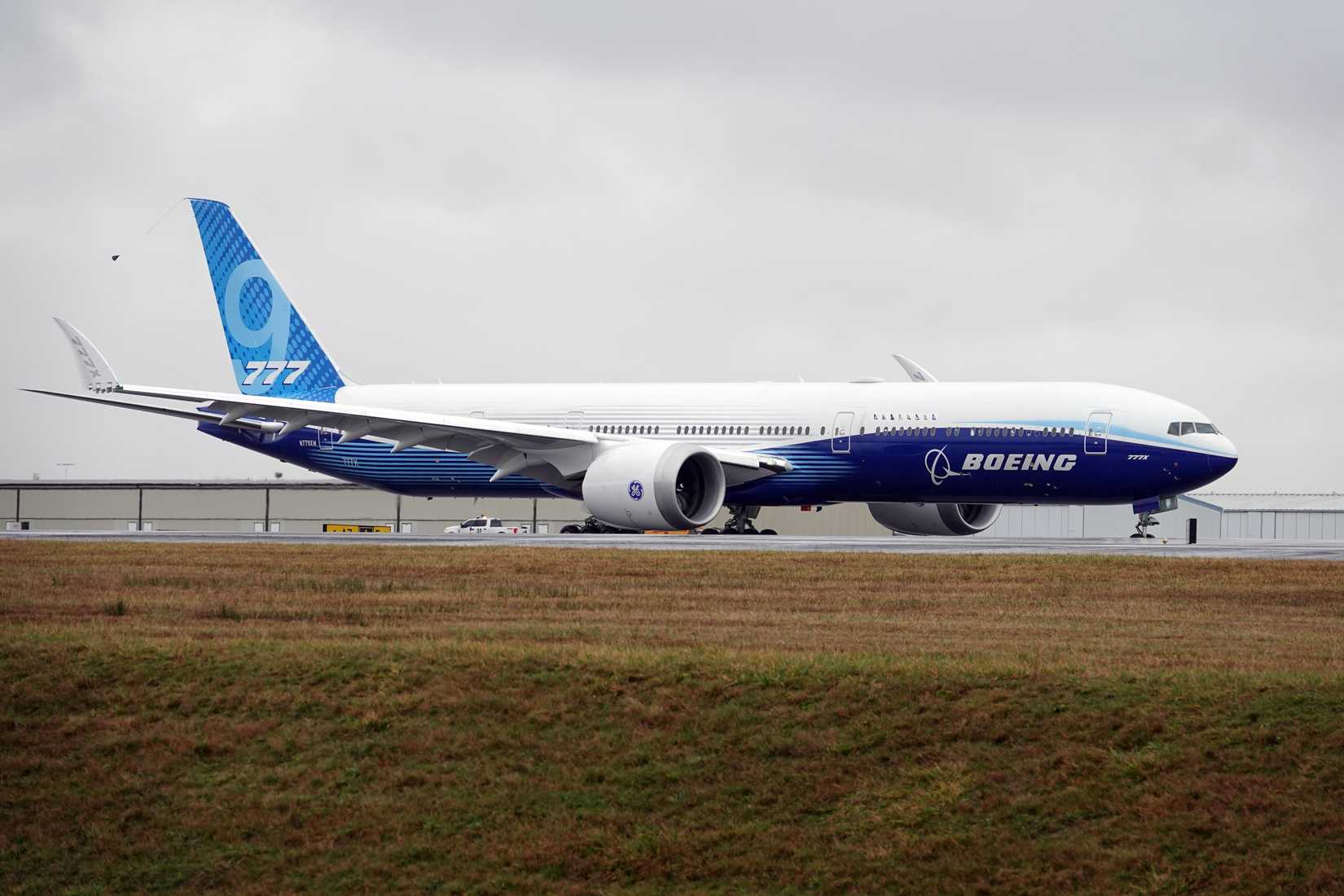
The Boeing 777X is poised to take center stage, becoming the largest twinjet ever made. While it may not seat as many passengers as the A380 or have its spectacular second-deck, it will meet the demands for efficiency that the future requires of the largest commercial planes in service.
The 777X's entry into service in 2027 promises to be a game changer for the industry, specifically in long-haul and high-density markets that are currently served by the A380 and a handful of other aircraft. This shift will have significant implications for airlines and manufacturers alike.
The COVID-19 Pandemic has left an indelible mark on the commercial flying business, exacerbating the already weakening economics of quadjet flying. As a result, Airbus ended A380 production in 2021, leaving the industry to wonder what would take its place.
The world of passenger flying dominates the marketplace for commercial jets, with cargo and other niche missions accounting for only a small percentage of total airframe sales. The A380's failure to become a cargo jet was due to the unacceptable costs of refitting it for this mission.
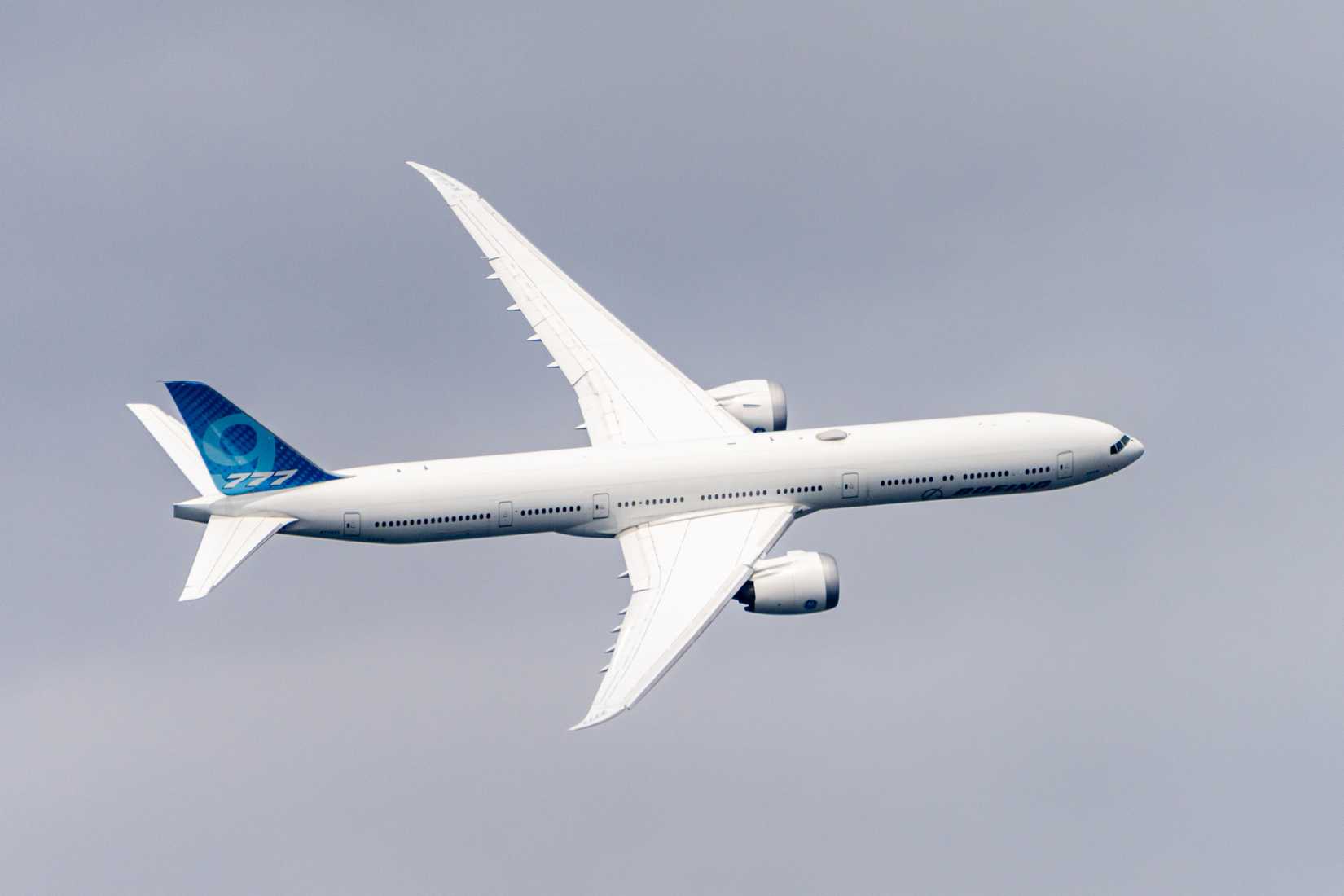
The 777X brings a passenger capacity close to that of the 747-8, while appreciably less than the A380. However, its lower operating cost and more flexible deployment options make up for this shortfall.
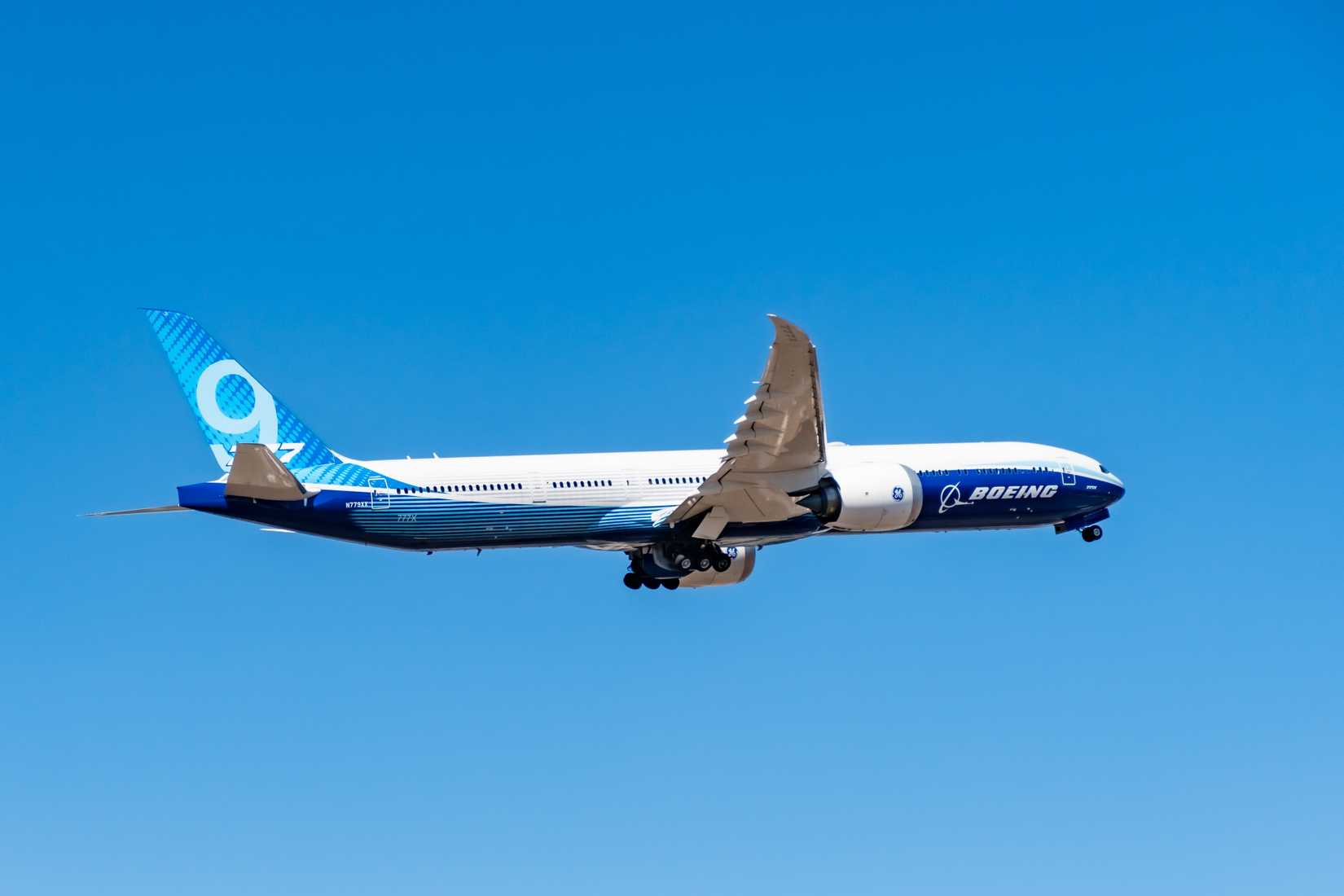
The Boeing 777X's reduced maintenance needs and quieter engines will allow airlines to fly more efficiently, saving money and increasing uptime. This shift towards more efficient aircraft will have a significant impact on the commercial aviation industry.
The shift towards more efficient and flexible aircraft will have a significant impact on the commercial aviation industry.