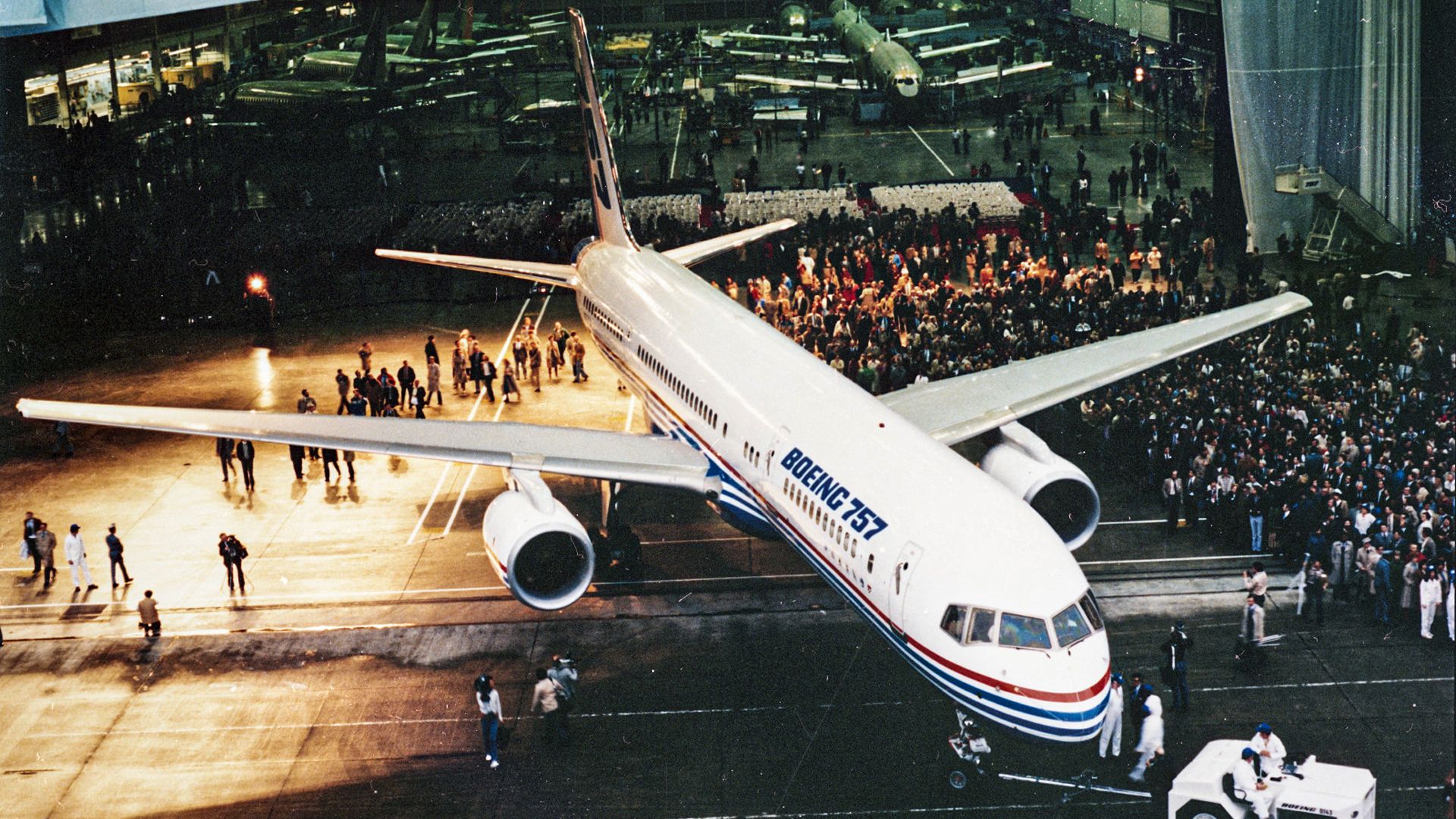


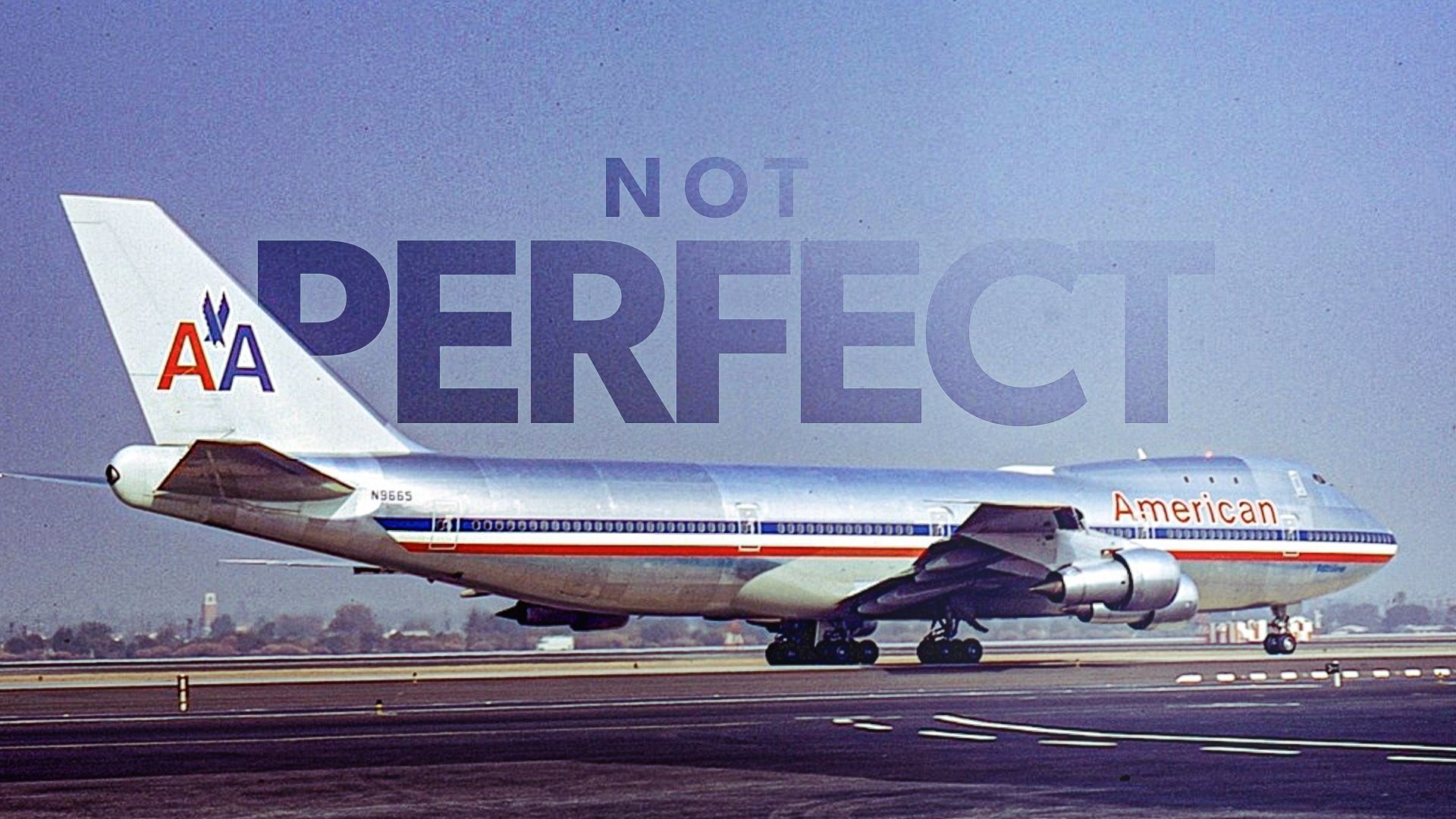
The Boeing 747, often referred to as the 'Queen of the Skies,' has been a staple of commercial aviation for decades. With over 1,500 units produced across 55 years of production, it was the best-selling widebody aircraft for many years. However, American Airlines' decision to retire its fleet of Boeing 747s marks a significant departure from its past operations and its reliance on other aircraft types.
The Boeing 747's popularity worldwide is well-documented, with airlines such as United Airlines and Delta Air Lines retiring their final models in the 2010s. However, American Airlines' enthusiasm for the aircraft was short-lived, with the airline only operating nine passenger 747-100s and seven 747-100SFs over the years.
American Airlines took delivery of its first Boeing 747 in 1970, but it never became a flagship aircraft for the airline. Instead, the 747-100 model was used primarily for short to medium-haul routes, connecting cities like New York to Boston and Los Angeles.
The airline's reliance on the Boeing 777 as its flagship aircraft is a more recent development, with the 777-200ER and 777-300ER models taking over in the 1990s. This shift in focus reflects changing market demands and the need for airlines to optimize their fleets for efficiency and profitability.
The Boeing 747's longest range capabilities made it an attractive choice for airlines looking to establish new flagship routes. However, American Airlines' decision to stick with the Boeing 777 marks a significant shift away from this strategy.
American Airlines' fleet of Boeing 747-100s was gradually phased out in the early 1980s, with the last model being removed from service by 1985. The airline's experience with the 747-100 variant highlights the challenges of operating large, complex aircraft in a competitive market.
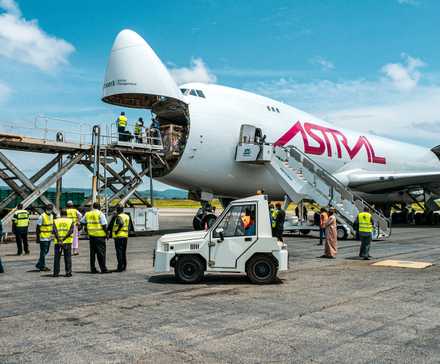
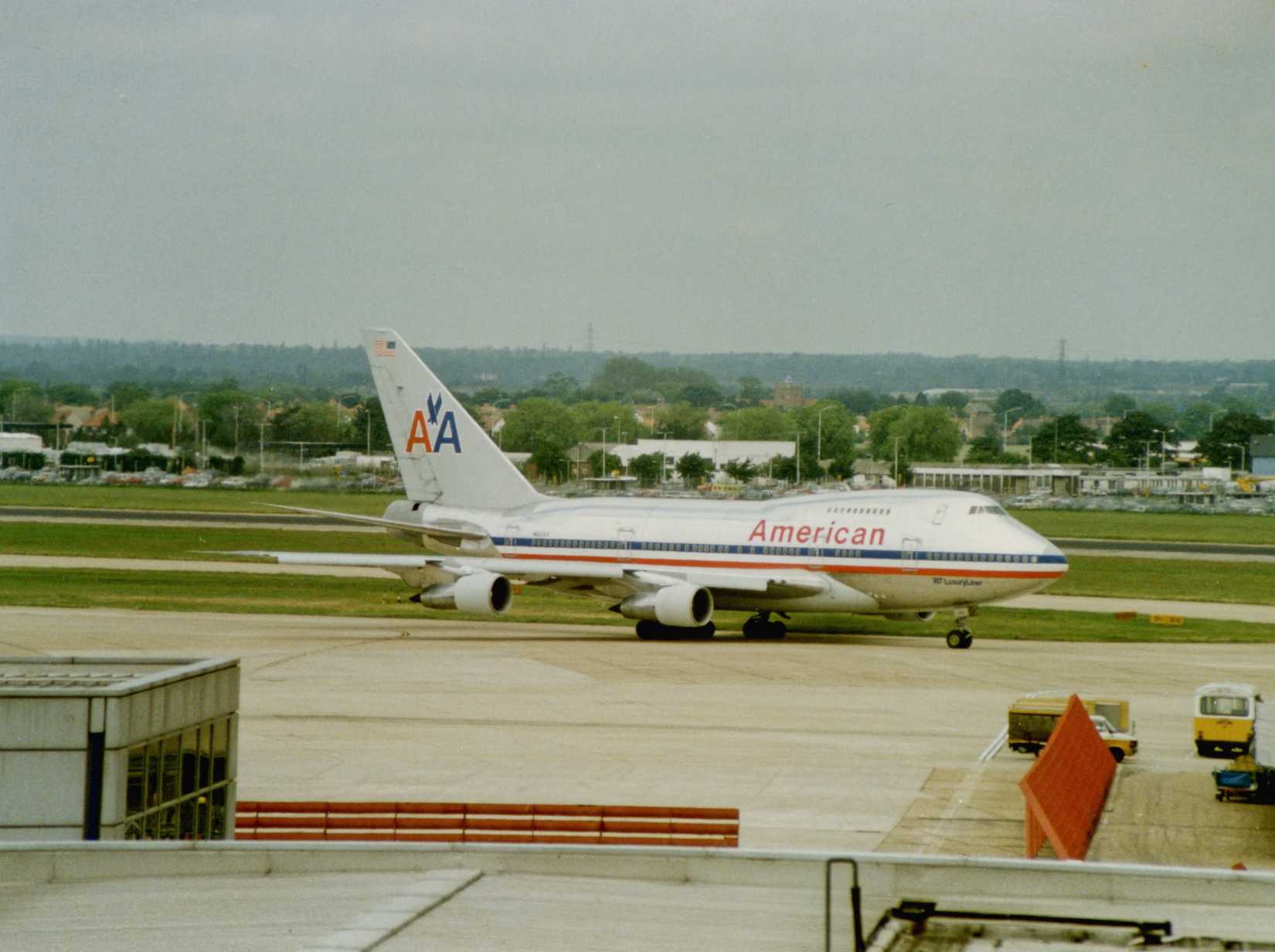
The acquisition of two Boeing 747SPs in the late 1970s was an attempt to establish American Airlines as a major player on the ultra-long-haul route. However, the aircraft were eventually replaced by the McDonnell Douglas MD-11 and removed from service in 1994.
Today, the Boeing 747 is largely remembered as a relic of the past, with its departure from American Airlines' fleet marking a significant milestone in the airline's evolution. As airlines continue to adapt to changing market demands and technological advancements, it will be interesting to see how they choose to deploy their fleets in the years to come.
As the aviation industry continues to evolve, it is clear that the Boeing 747's legacy will live on through its impact on American Airlines' operations and fleet strategy. The airline's decision to retire its 747s marks a significant shift towards more efficient and profitable aircraft types, and one that will be closely watched by industry observers in the years to come.
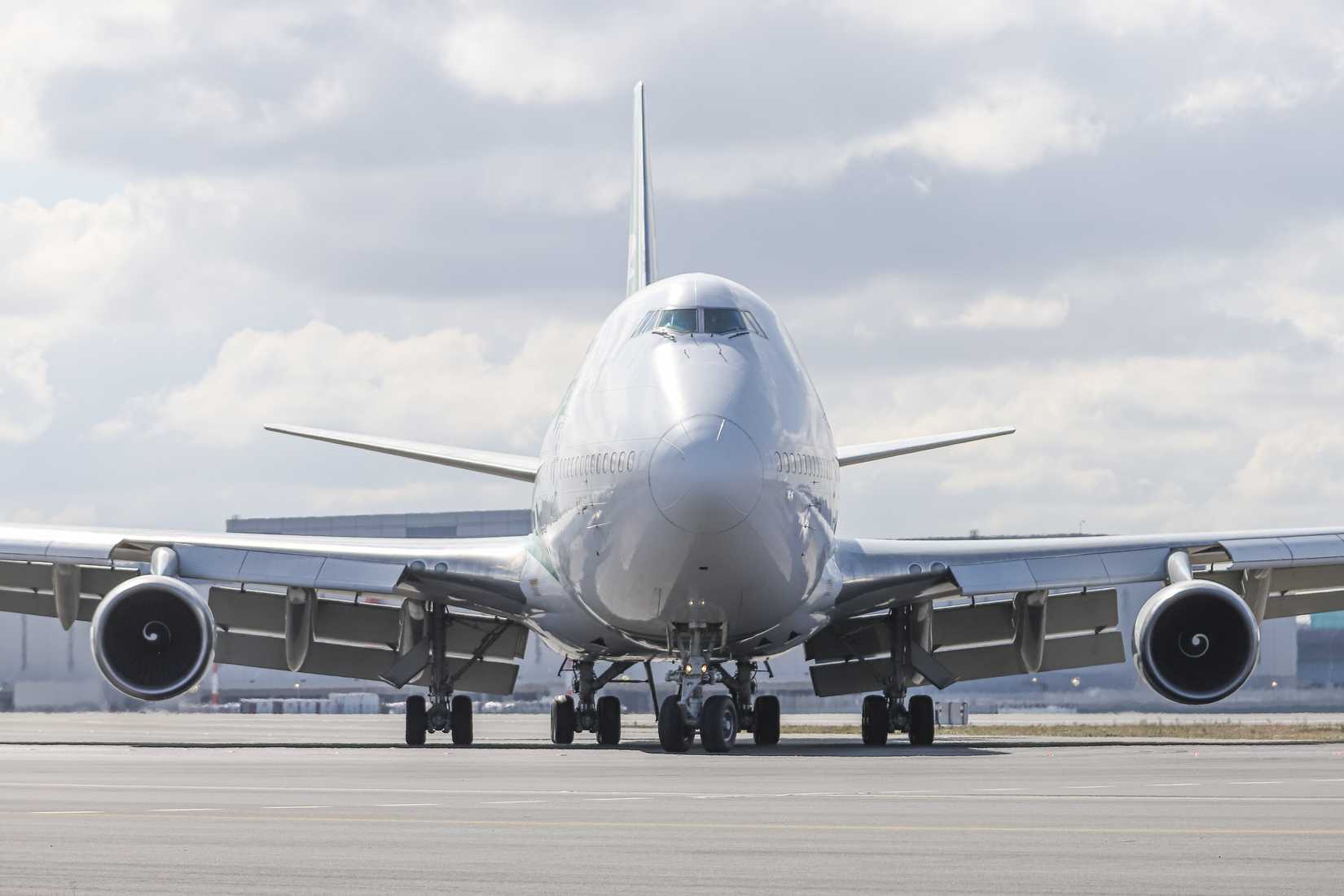
The Boeing 747's departure from American Airlines' fleet marks a significant shift in the airline's operations and its reliance on other aircraft types.