

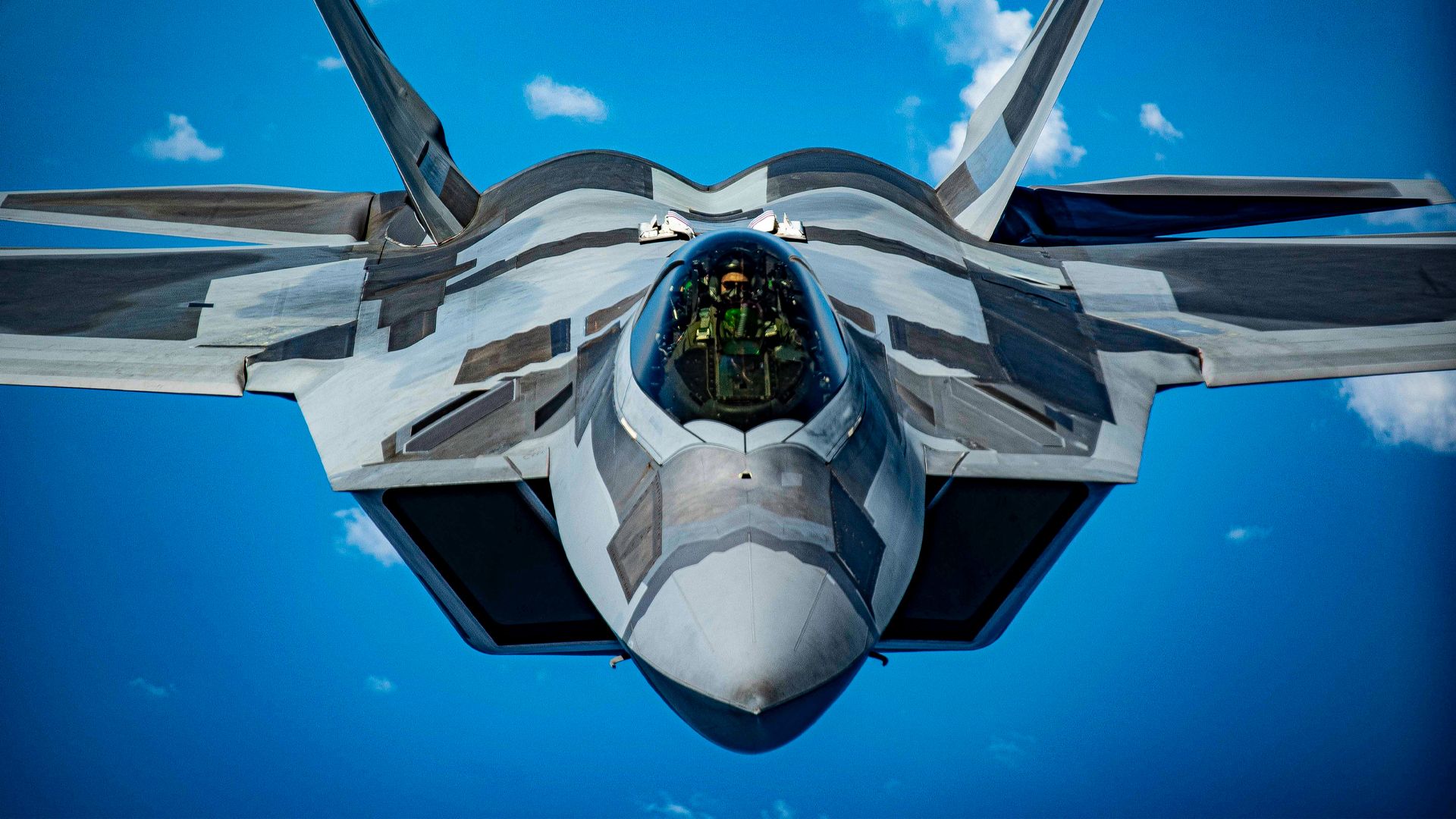
The United States Armed Forces have rapidly expanded programs in the past decade to advance stealth technology, aiming to maintain a strategic and tactical upper hand in any conflict. These 5th and 6th-generation fighter jets are designed to counter the advanced stealth designs of China and Russia. However, their development is also driven by the need to stay ahead of adversaries who may refine their own stealth capabilities through continuous exposure to US response tactics.
The Pentagon estimates that over 3,000 airspace violations were committed by Chinese Air Force and Navy aircraft in 2024, with these incidents potentially providing technical insight to adversaries. This has prompted a renewed push towards advanced sixth-generation aircraft designs, including the development of new technologies such as hypersonic missiles and advanced radar systems.
The Russian Air Force has already proven its ability to use stealth technology in combat, despite having a smaller number of stealth aircraft than China. The Russian military is also refining its defensive 'anti-stealth' capabilities, including air-to-air missiles and surface-to-air missiles. This has led to increased investment in advanced sixth-generation aircraft designs.
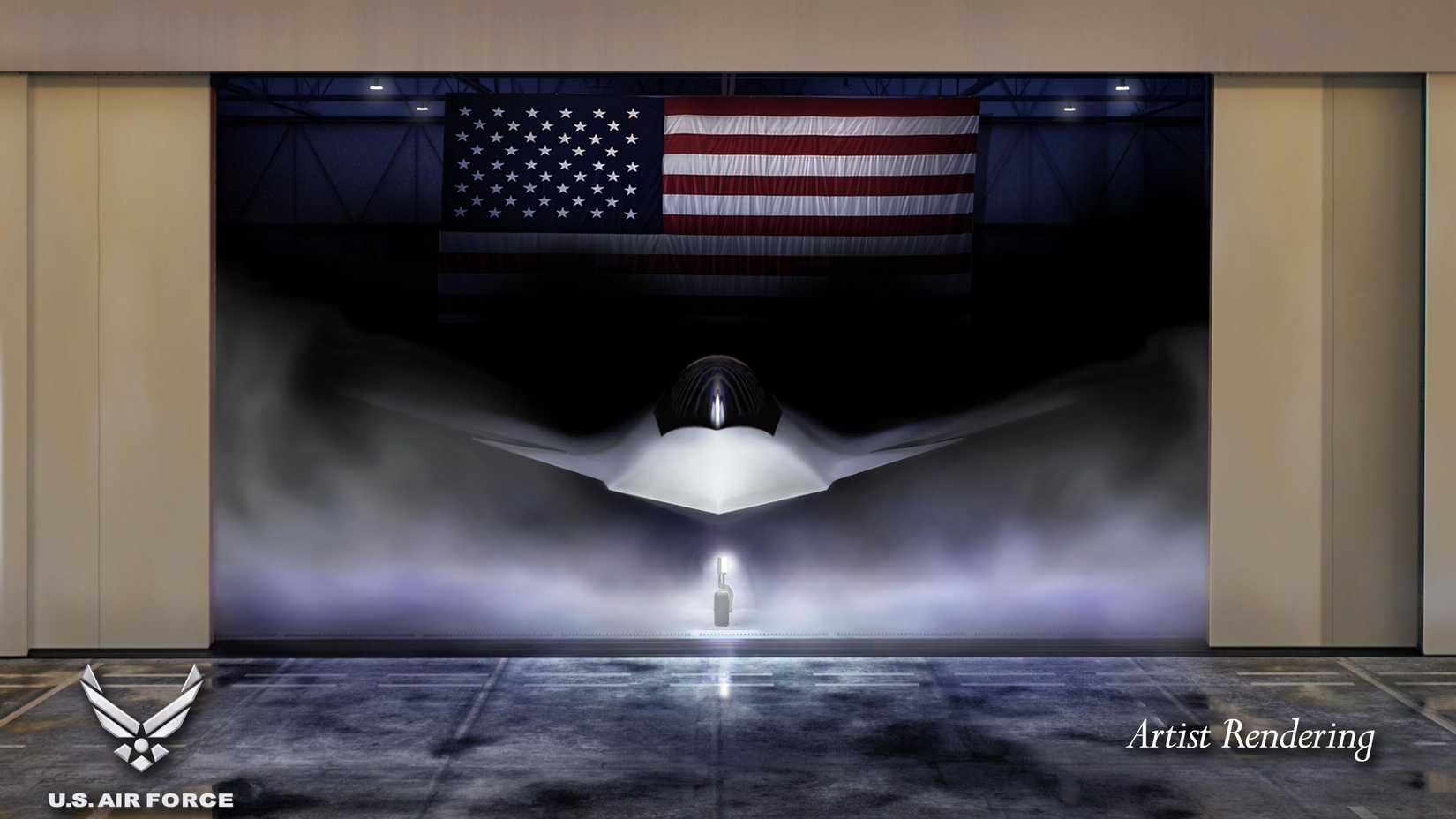
The Pentagon believes that Chinese 6th-gen jets, tentatively named the J-36 and J-50, could enter service as early as 2035. In response, the United States is advancing its own sixth-generation stealth fighter program, with Boeing currently leading the development of the NGAD program.
The Air Force has selected Boeing to lead its NGAD program in early 2025, with the future fighter designated as the F-47. Current estimates suggest that the US may build a fleet of around 500 sixth-generation aircraft. The F-47 will be operated jointly with the new Northrop B-21 radar bombers.
The development of advanced stealth technology is also driven by budgetary constraints and industrial challenges. The Navy's F/A-XX carrier-based fighter program has been slower to develop due to budgetary constraints, but Congress recently brought it back to life with an additional $900 million in funding.
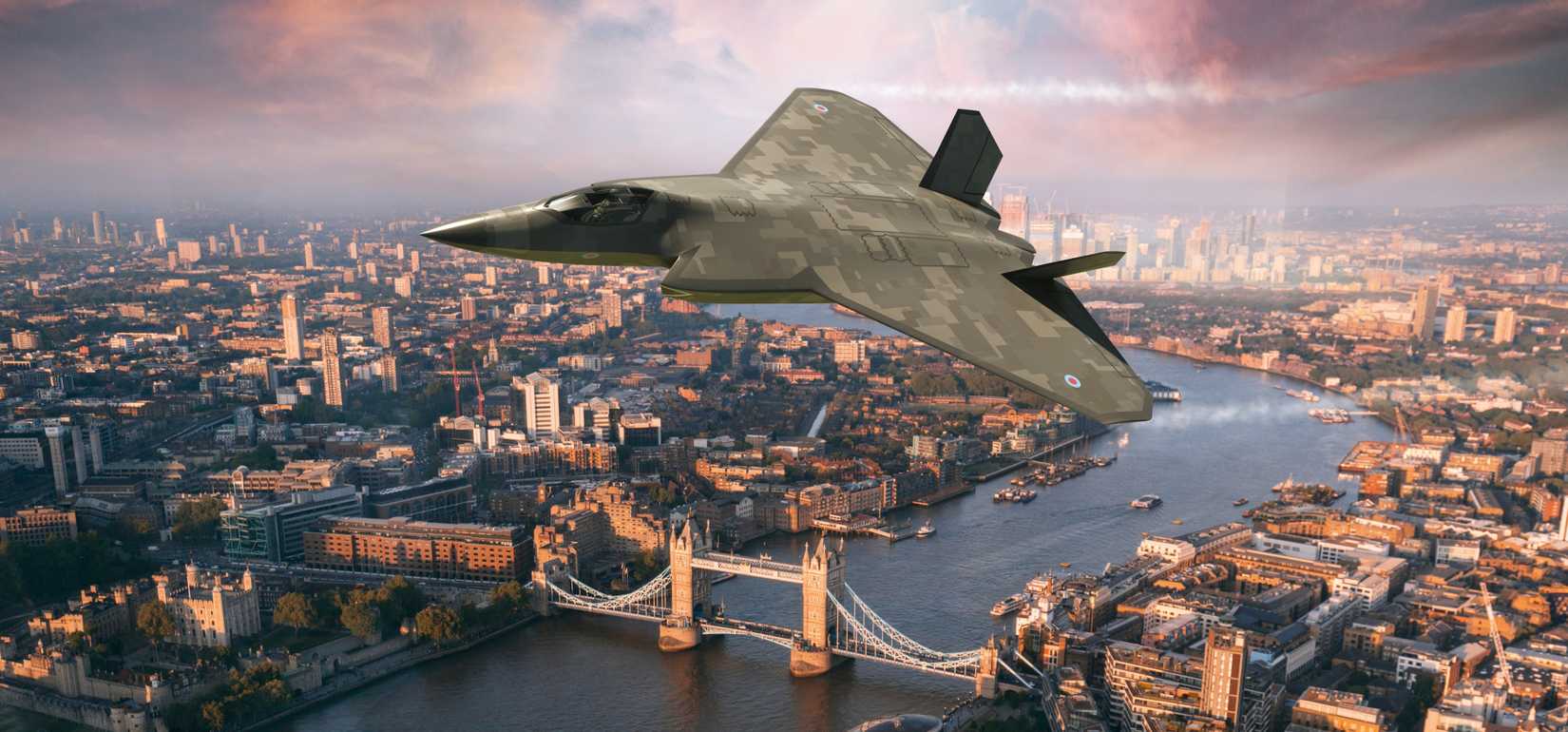
A few days ago, top lawmakers stated that neither the F-47 nor the Navy's F/A-XX will be fully operational until the mid-2030s. This delay is largely due to the challenges of developing advanced stealth technology and meeting budgetary targets.
The development of advanced stealth technology is a complex and challenging process, requiring significant investment in research and development. However, it is essential for maintaining air superiority in a future conflict with even the most advanced adversaries.
Ultimately, the development of advanced stealth technology is a response to the growing threat posed by adversaries with sophisticated stealth capabilities. The US military must continue to invest in this area to stay ahead of the curve and maintain its strategic advantage.
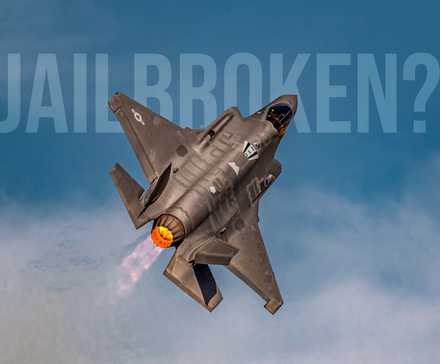
The development of advanced stealth technology is a response to the growing threat posed by adversaries with sophisticated stealth capabilities.