

' This move has left many in the industry wondering what this means for the future of electric vehicles. The company's decision to discontinue production of the Model S and Model X, and its lack of plans for new mass-market models, is seen as a significant shift. Tesla's CEO, Elon Musk, has stated that the company will focus on autonomous vehicles in the long term, with predictions that human-driven cars may become less common in the future.
The Fremont factory will be converted to produce Optimus robots instead of cars. This move raises concerns about the impact on the automotive industry and the future of electric vehicles. Tesla's current vehicle lineup consists of only two successful models, both of which are in decline.
The company has scrapped its plans for a $25,000 electric vehicle and has no new models to compete with other manufacturers. Instead, it is relying on robotaxis as its solution. This decision has been met with frustration from many in the industry, who feel that Tesla could have continued to invest in electric vehicles and licensed its technology to integrate AI into its vehicles.
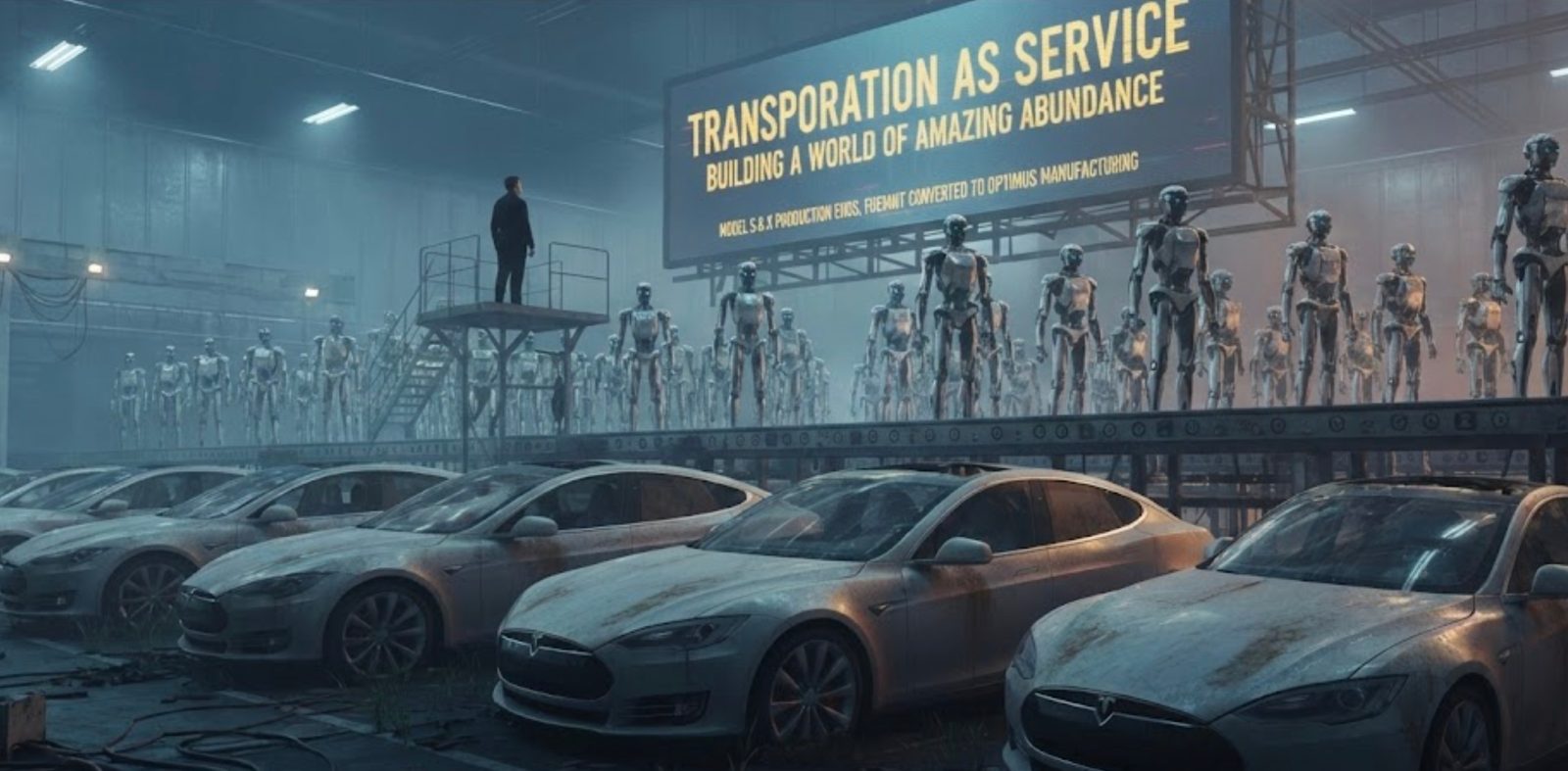
The company's automotive revenue declined 10% in 2025, and deliveries fell 9%. BYD has now taken over as the world's largest EV maker. This shift away from the automotive industry raises questions about what Tesla's future holds and whether it will be able to adapt to changing market conditions.
Tesla's decision to pivot away from being an automaker is a significant shift in the company's strategy, but it also raises concerns about its ability to adapt to changing market conditions. The focus on autonomous vehicles may not be enough to drive growth and profitability for the company.