

The use of ashtrays and lighters in cars has been a staple for decades, but the decline of cigarette smoking has led to their phased removal. Since the 19th century, people have been smoking cigarettes, and cars have had ashtrays and push-to-heat lighters seemingly since forever.
However, doctors started looking into smoking's side effects and safety concerns in the 1950s, which led to a noticeable decline in cigarette use. This shift in awareness is reflected in figures from the Centers for Disease Control and Prevention, which reported that just 11.6% of U.S. adults smoked cigarettes in 2022, a decrease from 42.4% three decades earlier.
The decrease in tobacco use has led to the phasing out of ashtrays and lighters in cars. Chrysler was one of the first automakers to announce that its new models would no longer come with standard ashtrays, sparking a trend that would eventually replace these features with more practical alternatives.

In 1994, Chrysler announced that its new Chrysler Cirrus and Dodge Stratus would become the first mass-produced cars not to have standard ashtrays. This move also led to the introduction of an optional smokers package in cars, which offered buyers the chance to add ashtrays and lighters as a premium feature.
Chrysler found out that 78% of people who ride or drive cars weren't smoking, making it clear that these features were no longer necessary. Today, in-car lighters and ashtrays are some of the wildest features that new cars don't have, replaced by more practical alternatives like pop-out cupholders.
The shift away from ashtrays and lighters has been driven by consumer demand for more storage space and a reduction in production costs. Automakers have responded by redesigning dashboards and consoles to accommodate cupholders and cubbyholes instead of ashtrays.
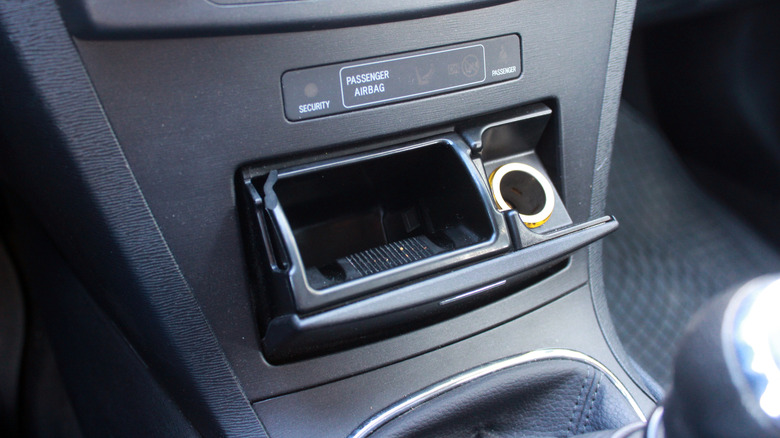
In 2013, Hyundai announced that it was getting rid of ashtrays and lighters in its new cars, replacing them with standard USB ports for charging devices. This move reflects the growing trend towards smokeless cars, which prioritize practicality and sustainability over outdated features.
The change has been a win-win for both consumers and automakers. Car buyers get more storage space and a reduced environmental impact, while carmakers save millions on production costs. Additionally, profits can be made from optional smokers packages, which offer premium features at a higher price point.
As the trend continues to gain momentum, it's clear that the days of ashtrays and lighters in cars are behind us. Instead, we're seeing a focus on more practical and sustainable features that prioritize consumer demand and environmental responsibility.