


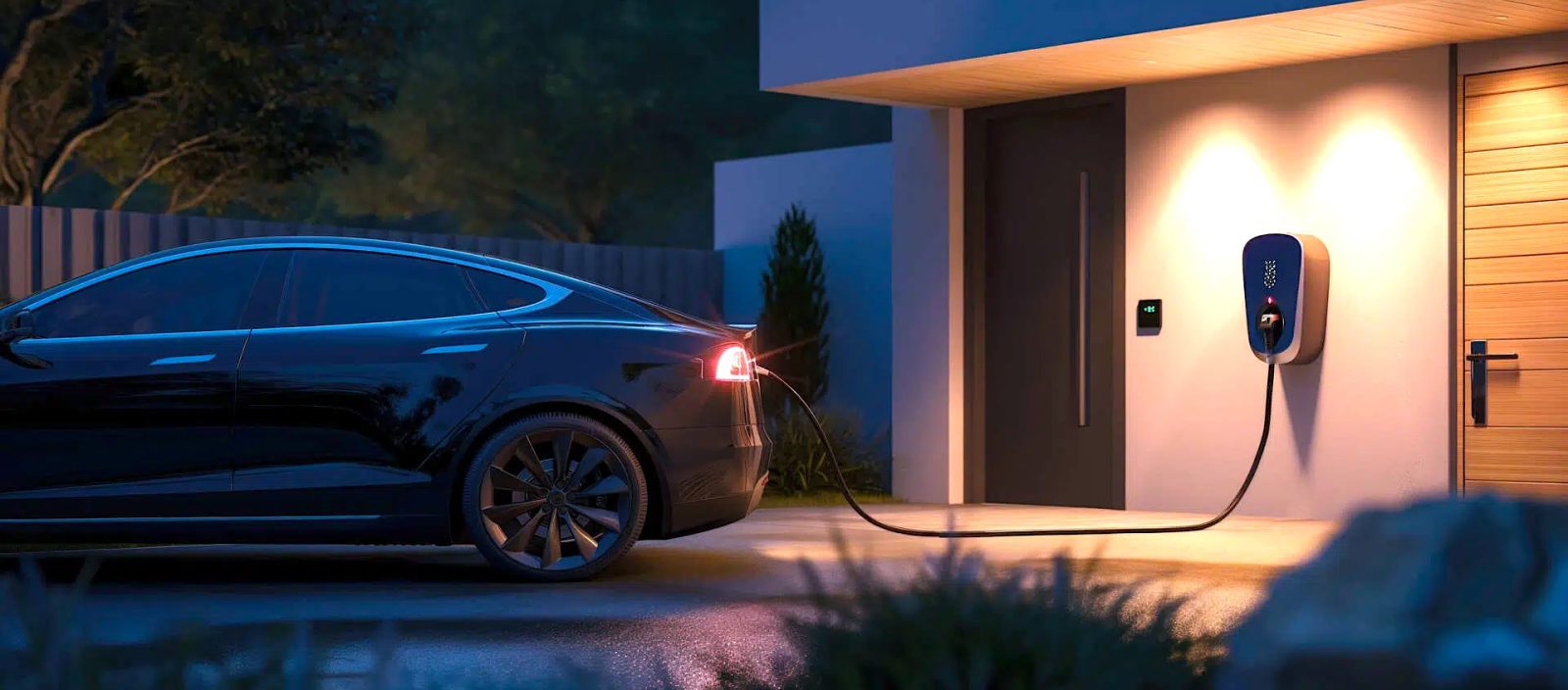
The process of tracking fuel costs for work vehicles is relatively straightforward, but when driving an EV for work and charging at home, things become more complex. The main challenge lies in separating the cost of charging the vehicle from the cost of keeping the lights on at home. Utility companies don't make this separation easy, leaving drivers to find alternative solutions.
Modern smart chargers with 5G or WiFi connections can monitor precisely how many kWh are flowing into the car during each charging session. Multiplying the number of kWh by the utility's rates is one of the cleanest ways to track charging costs. This method is particularly effective when dealing with variable electricity rates, as it provides a clear and defensible cost record for reimbursement.
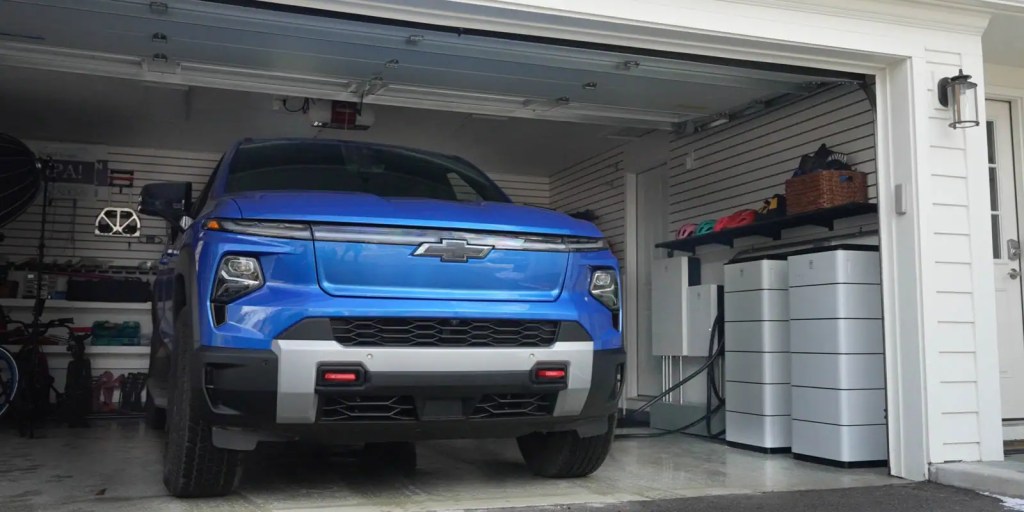
Home chargers like the Autel MaxiCharger, ChargePoint Home Flex, and EvoCharge iEVSE are solid options for tracking charging costs. More advanced systems, such as those from GM Energy and Tesla, can integrate with home solar panel and battery systems to help reduce energy costs and deliver V2H and V2G functionality. Brands like BMW, Ford, and Tesla partner with Qmerit on home charger installation, providing customers with guidance on costs and options.
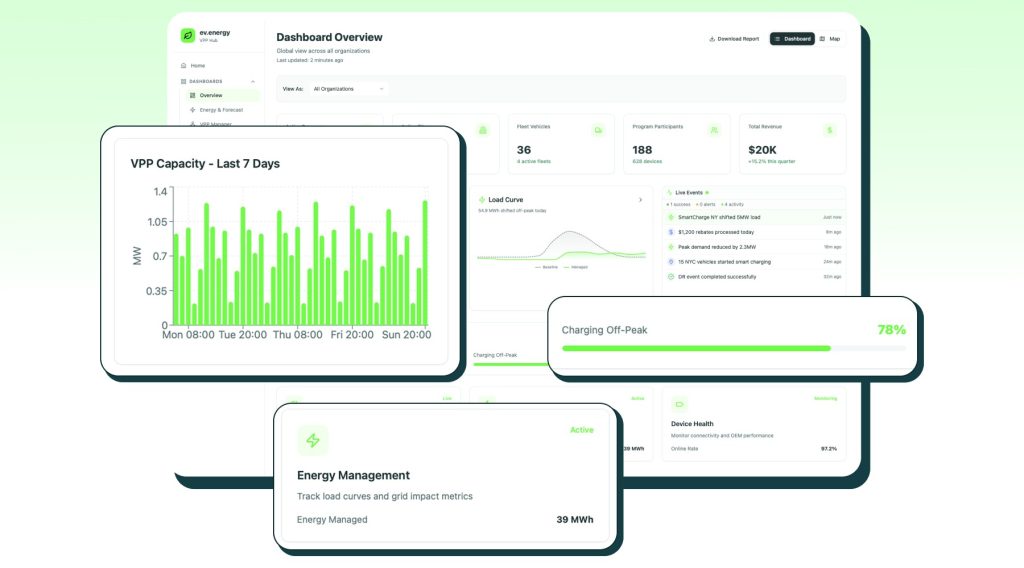
Even if a driver already has a home charger that works for them but isn't a 'smart' or connected model, there are still ways to track charging costs. Apps like ev.energy can link directly to the car using the factory telematics system, connecting to the vehicle account to see battery level, plug-in status, and track charging activity. On some vehicles, the app can even start and stop charging remotely.
However, it's essential to note that these apps are estimating kWh use rather than measuring them directly. While this method may not be as accurate as direct measurement, it provides a reasonable estimate for many drivers. The key is to find an app that works well with the driver's specific vehicle and charging needs.
The integration of home chargers with energy management systems can also help reduce energy costs. By monitoring and optimizing energy usage, drivers can minimize their electricity bills and maximize their reimbursement. This is particularly important for businesses and individuals who rely on EVs for work or daily commutes.
Ultimately, tracking EV charging costs requires a combination of smart chargers, advanced apps, and a good understanding of the driver's specific needs. By taking the right steps, drivers can ensure they're getting properly reimbursed for their fuel costs and minimizing their energy expenses.
The increasing adoption of electric vehicles is driving innovation in the charging infrastructure space. As a result, there are now more options than ever for drivers to track their charging costs and optimize their energy usage. By staying informed and adapting to changing technologies, drivers can make the most of their EVs and reduce their environmental impact.
As the market continues to evolve, it's essential for businesses and individuals to consider the long-term implications of EV adoption on their energy costs and reimbursement strategies. By investing in smart charging solutions and advanced apps, drivers can stay ahead of the curve and reap the benefits of a more efficient and cost-effective charging experience.

As the adoption of electric vehicles continues to grow, it's essential to consider how charging costs will be tracked and reimbursed.


