


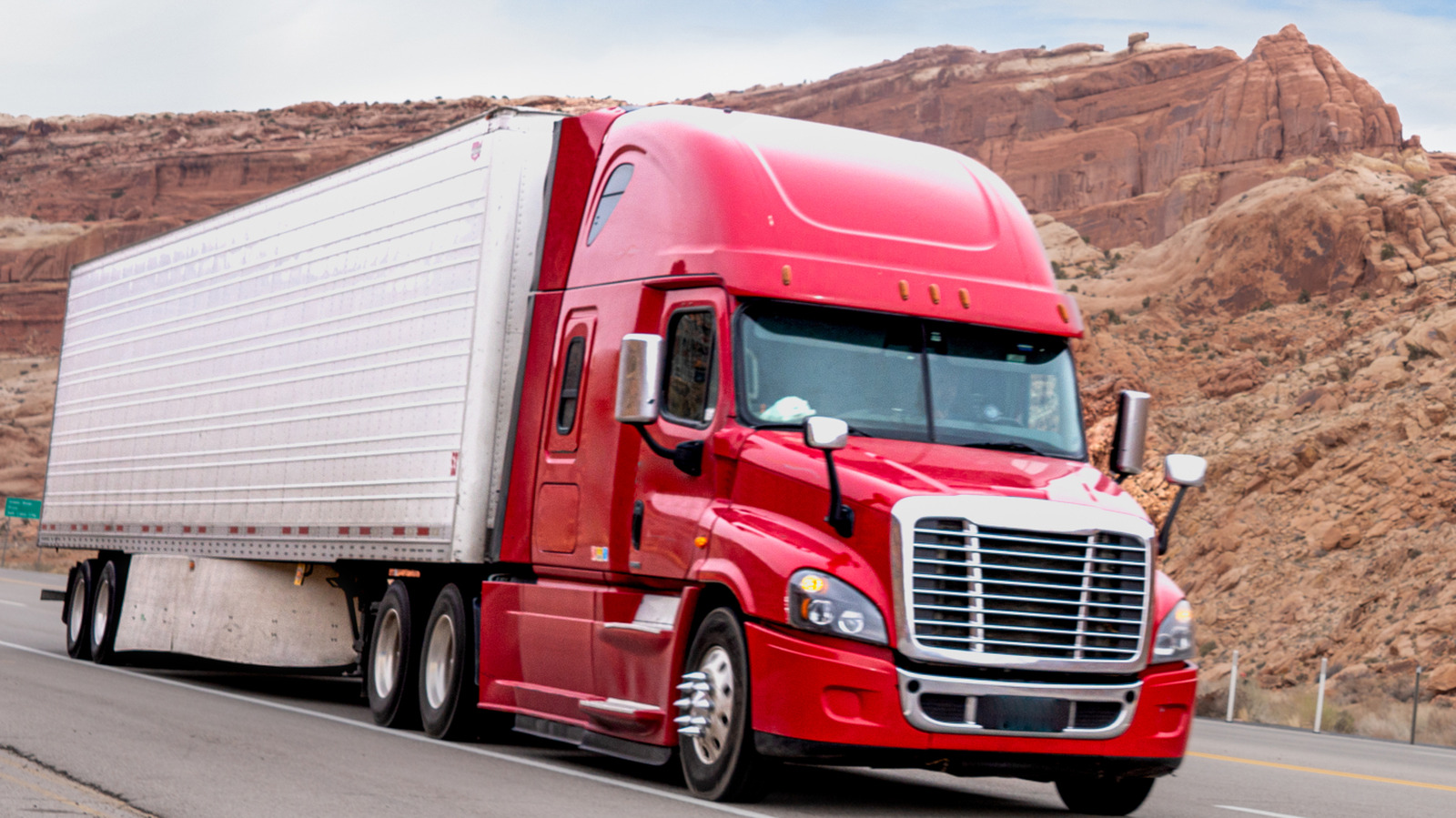
The world of commercial vehicles is vast and complex, with various classes and categories that distinguish one from another. For many people, including truckers, operators, and fleet managers, understanding the differences between these classifications is crucial for navigating the industry safely and efficiently. One key aspect of this classification system is the gross vehicle weight rating (GVWR), which serves as a benchmark for determining a truck's maximum payload capacity, including fuel, passengers, cargo, and other accessories.
In the United States, the Federal Highway Administration defines Class 6 trucks as medium-duty vehicles, encompassing buses and delivery trucks with six tires or more. This classification is further divided into Classes 3 to 5, each with its own specific GVWR range and axle configuration. The distinction between these classes lies in their weight capacity and the number of axles they can accommodate.
For those operating Class 6 trucks, obtaining a commercial driver's license (CDL) from the state licensing bureau is typically required to drive them. This highlights the importance of adhering to specific regulations and guidelines that govern medium-duty truck operations. By understanding these classifications, drivers and operators can ensure they are in compliance with all relevant laws and safety standards.
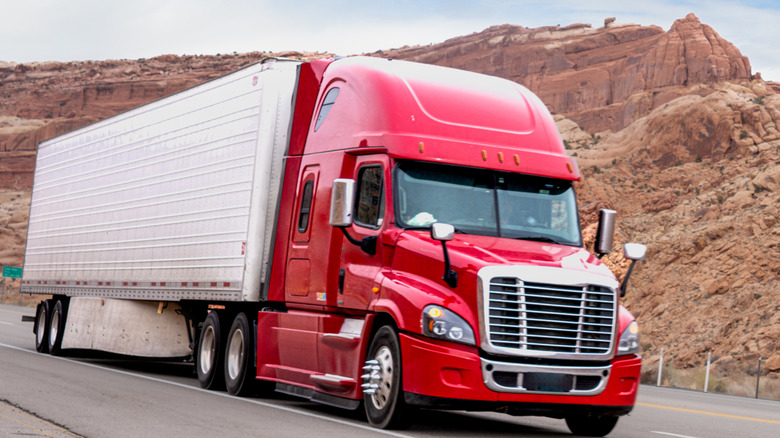
The classification system also extends beyond Class 6 trucks, encompassing Classes 7 and 8 as well. These heavy-duty commercial vehicles have a GVWR of 26,001 pounds or more and are subject to different regulations and requirements. The distinction between these classes lies in their weight capacity, axle configuration, and the type of cargo they can carry.
Class 7 delivery trucks and tractor-trailers have a GVWR of 26,001 to 33,000 pounds, while Class 8 trucks have a GVWR of 33,001 pounds or more. The latter includes single-trailer trucks with two units and four or fewer axles, as well as dump trucks, cement mixers, and large tour buses.
The primary difference between a Class 6 and a Class 8 truck lies in their gross vehicle weight rating. While Class 6 trucks have a GVWR of 19,501 to 26,000 pounds, Class 8 trucks have a GVWR of 33,001 pounds or more. This significant weight disparity affects other variations, including the number of axles and tires.

The classification system has far-reaching implications for safety, driver licensing, permits, maintenance requirements, weigh station standards, and compliance with hours-of-service (HOS) laws. Drivers of trucks that weigh over 10,000 pounds must adhere to specific HOS limits prescribed by the Federal Motor Carrier Safety Administration (FMCSA), which include a 14-hour driving window limit.
In conclusion, understanding the differences between Class 6 and Class 8 trucks is essential for navigating the complex world of commercial vehicles. By grasping these classifications, drivers and operators can ensure they are in compliance with all relevant laws and safety standards, ultimately contributing to safer roads and more efficient transportation networks.
As the industry continues to evolve, it is crucial that drivers, operators, and fleet managers stay informed about changes to regulations and classification systems. By doing so, they can adapt their operations to meet the changing needs of the market and ensure continued compliance with all relevant laws and safety standards.