

The use of electric turbochargers in cars is no longer just a gimmick, but a viable solution for boosting power and improving efficiency. Unlike traditional turbos, which rely on exhaust gas to spin a turbine, electric turbos can be spun up using electricity, reducing lag time and increasing performance.
This technology allows for the creation of larger turbos, which in turn leads to further gains in terms of green emissions. With more air meeting more fuel, the result is increased power output, making electric turbos an attractive option for high-performance vehicles.
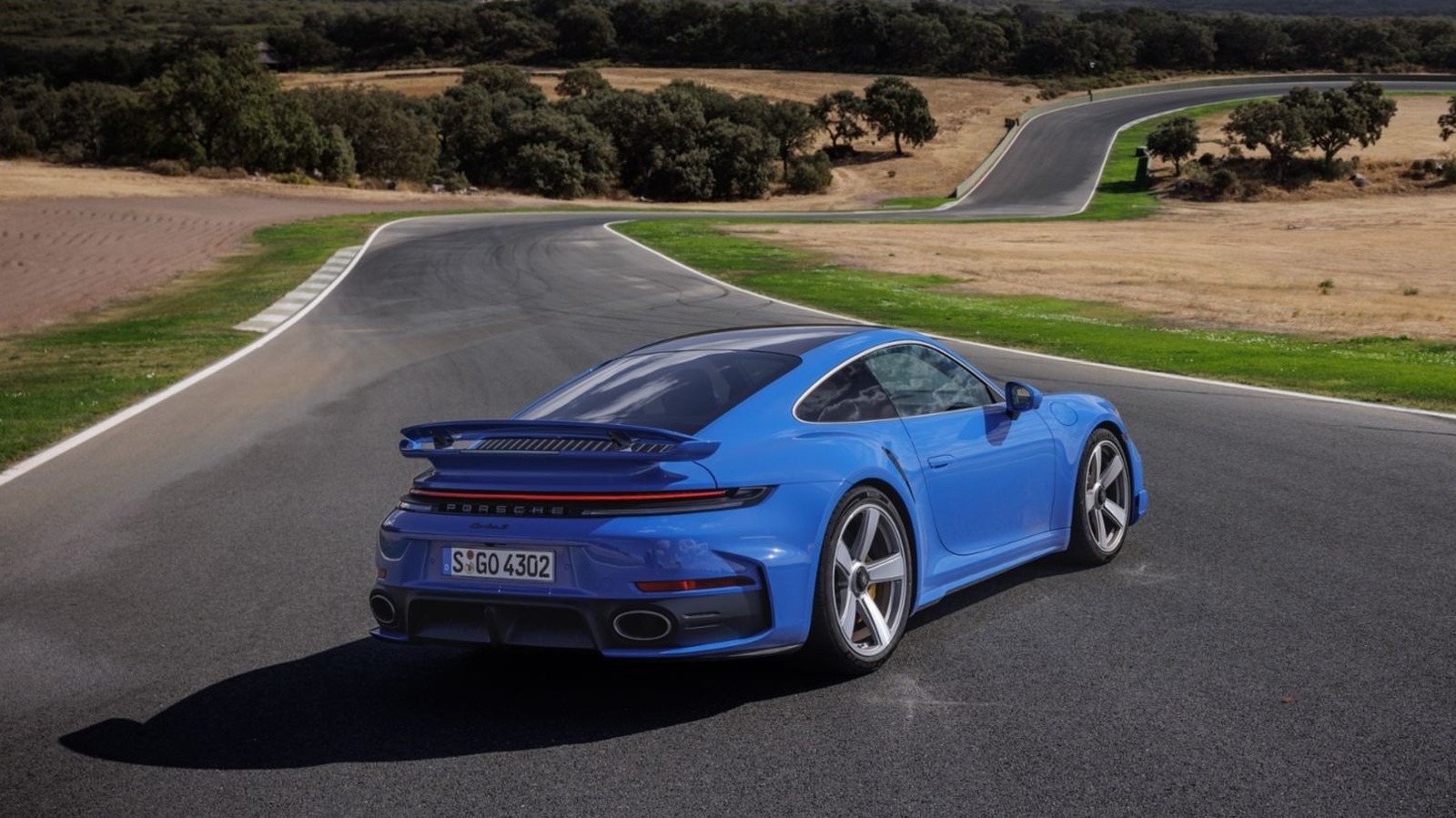
One of the key benefits of electric turbochargers is their ability to recuperate energy in a similar manner to regenerative braking. In the case of the Porsche 911 Turbo S, the electric motors turning the turbos can be used to control just how fast their turbines are spinning, essentially acting as brakes in the process.
This captures the energy spinning the turbines, which can then be fed back into the car's electrical system instead of lost through a wastegate. As a result, electric setups offer significant advantages over traditional turbos, including reduced emissions and improved efficiency.
However, there are also some drawbacks to consider. Electric turbochargers are currently more expensive than their traditional counterparts, and their complexity can make them more difficult to manufacture and maintain.
Despite these challenges, the potential benefits of electric turbochargers make them an exciting development in the world of high-performance vehicles. As technology continues to advance, we can expect to see even more innovative solutions emerge.
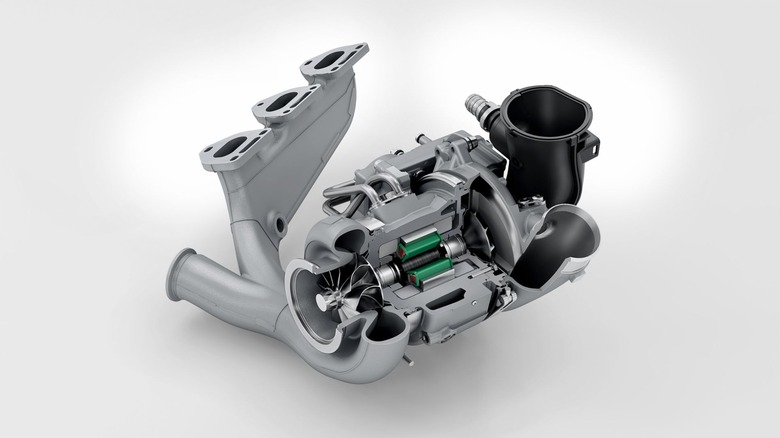
The integration of electric turbochargers into production cars is already underway, with several manufacturers exploring their use in various models. While it may be some time before they become ubiquitous, electric turbos are undoubtedly the future of high-performance power.
As the automotive industry continues to evolve, we can expect to see even more innovative solutions emerge from the intersection of technology and performance. Electric turbochargers are just one example of how this convergence is shaping the future of driving.
Ultimately, the impact of electric turbochargers on the automotive industry will be significant, offering faster acceleration, improved efficiency, and reduced emissions. As we move forward, it will be exciting to see how these technologies continue to shape the world of high-performance vehicles.
The integration of electric turbochargers in high-performance vehicles is a game-changer for the industry, enabling faster acceleration and improved efficiency.