

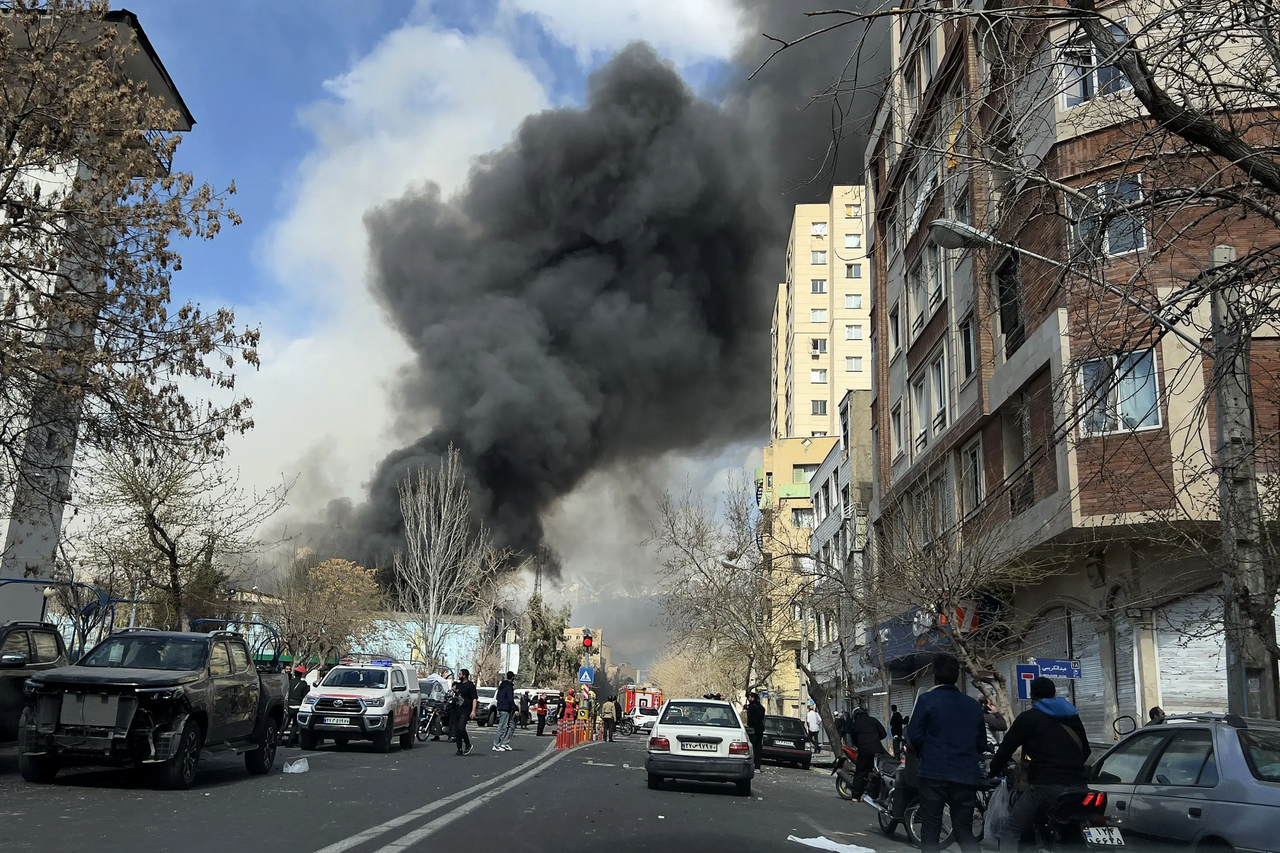
The U.S.-Israeli military campaign against Iran took a dangerous turn on March 18, 2026, with tit-for-tat strikes on critical energy infrastructure that amount to the most serious regional escalation since the conflict began. This development marks a significant shift in the conflict's trajectory, as it now involves not only military operations but also attacks on civilian and economic targets.
The attack on Iran's Asaluyeh complex, which houses four plants that treat gas from the offshore South Pars field, has caused widespread damage to the facilities. The South Pars field, located on both sides of the maritime boundary between Iran and Qatar, is the world's largest reserve of nonassociated gas, a critical component in the global energy market.
The Iranian response to the Israeli strike, which targeted five key energy targets in Saudi Arabia, Qatar, and the United Arab Emirates, has raised concerns about the potential for further escalation. The attacks on Ras Laffan, the heart of Qatar's energy sector, have caused extensive damage and highlighted the vulnerability of regional energy infrastructure.
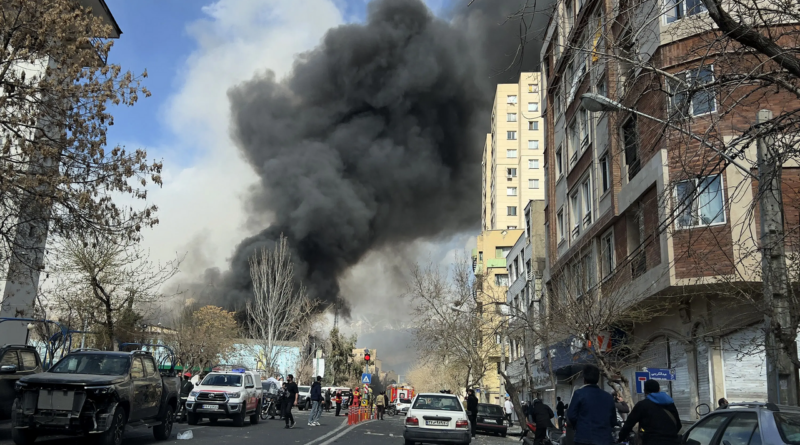
The targeting of energy facilities by Iran and its allies has raised concerns about the stability of regional economies, which are heavily reliant on exports of oil and natural gas. The disruption to global energy supplies could have far-reaching consequences for the global economy and international relations.
The region's energy landscape is characterized by a complex web of interdependent relationships between countries, with each nation playing a critical role in the global energy market. The targeting of energy facilities has exposed these vulnerabilities and highlights the need for greater cooperation and diplomacy to prevent further escalation.
Export revenues from oil and natural gas have transformed the Gulf states into regional powers with global reach over the past three decades. The disruption to these exports could have significant economic implications for the region, including reduced government revenue and potential job losses.
The targeting of energy facilities is a worst-case scenario for regional states, as it could lead to a collapse in oil prices and disrupt the global energy market. This, in turn, could have far-reaching consequences for the global economy and international relations.
Regional states are heavily reliant on exports of oil and natural gas, which generate significant revenue and drive economic growth. The disruption to these exports could have severe economic implications, including reduced government revenue and potential job losses.
The targeting of energy facilities by Iran and its allies has raised concerns about the long-term stability of regional economies and the global energy market. As the conflict continues to escalate, it is essential that regional states and international partners work together to prevent further escalation and protect critical infrastructure.
The targeting of energy facilities by Iran and its allies has raised concerns about the stability of regional economies.