

Chinese battery manufacturers CATL and BYD are investing in sodium-ion batteries as a way to combat rising lithium prices, with plans to mass-produce the new technology by 2026. The companies aim to take advantage of sodium's abundance and lower costs compared to lithium.
With the first passenger vehicles expected to be equipped with CATL's sodium-ion batteries starting in 2026, the industry is watching closely as these battery leaders push the boundaries of new chemistry. By 2030, sodium-ion battery shipments are expected to surpass 1,000 GWh, marking a significant shift in the global EV market.
The technology has two key advantages over lithium-ion: improved performance in extreme cold and increased safety during ultra-fast charging. As the demand for sustainable energy solutions grows, these innovations could play a crucial role in reducing costs and preserving raw materials.
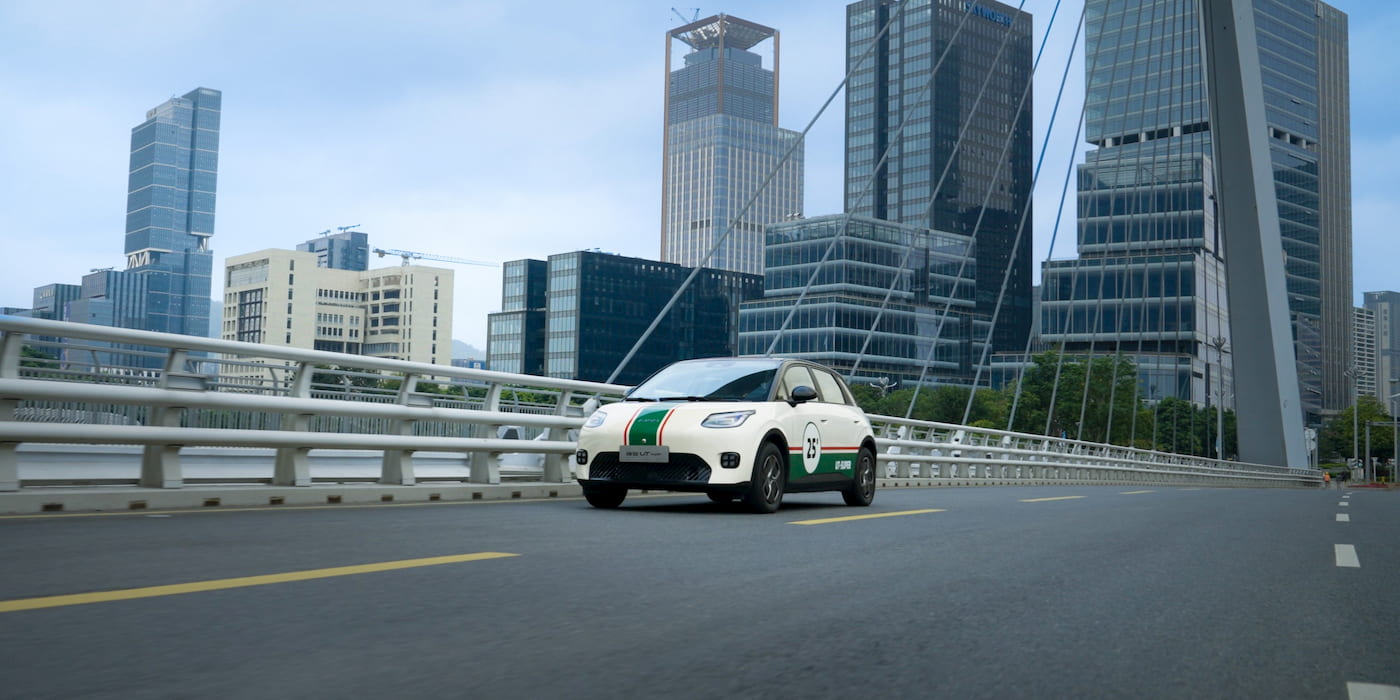
With CATL's sodium-ion battery achieving an energy density of 175 Wh/kg, comparable to higher-end LFP battery cells, the competition is heating up. The first model to be equipped with CATL's sodium-ion batteries will be the AION Y Plus, with public winter testing already underway.
As these companies continue to push the boundaries of new chemistry, it's clear that they're betting on a bright future for sodium-ion batteries.
As the EV market continues to grow, the focus on sustainable energy solutions like sodium-ion batteries will become increasingly important. By investing in this technology, CATL and BYD are taking a proactive approach to mitigate rising lithium prices and reduce their environmental impact.