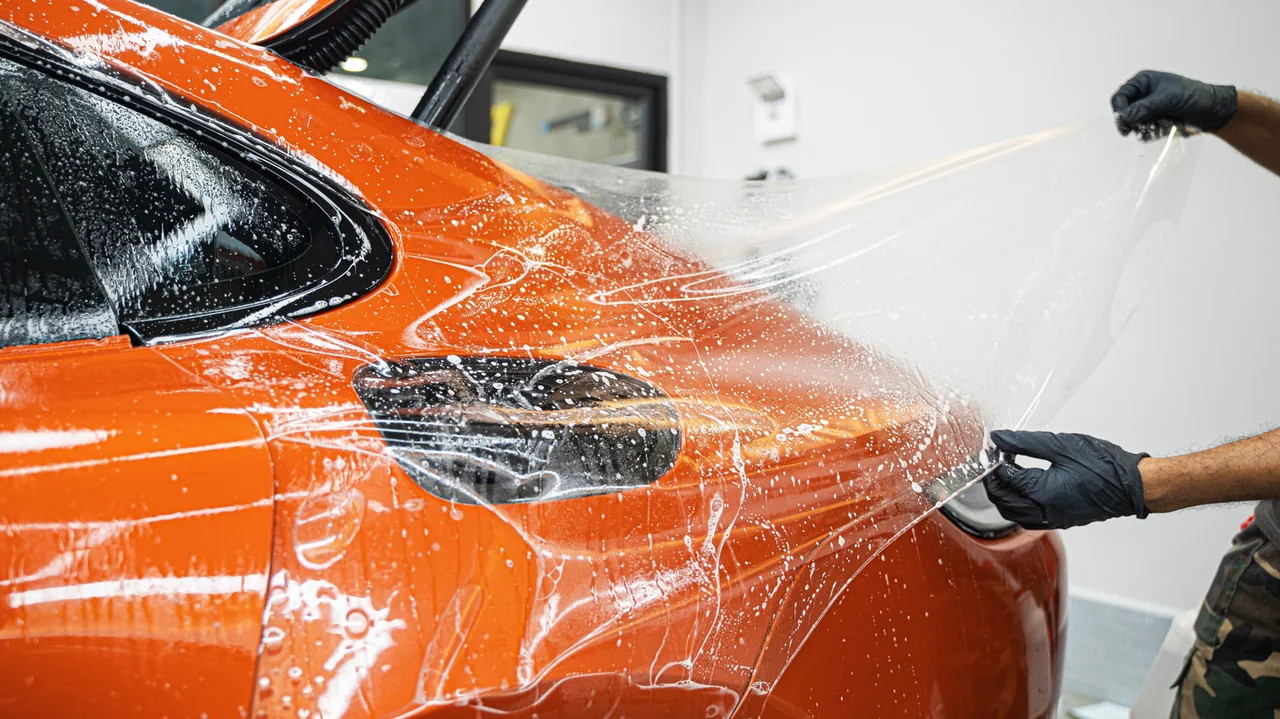
When it comes to protecting your car's paint, paint protection film (PPF) is a popular solution. This costly yet ingenious method preserves the original look of your vehicle's paint while providing lasting protection. While PPF can be pricey, with full installation costs ranging from $8,000, the benefits often outweigh the expenses for those willing to invest in its installation.
PPF films come in various finishes, including colored, glossy, and matte options. Satin is a relatively new addition to the market, sitting between glossy and matte in terms of aesthetic appeal. This middle ground finish offers a balance between the two, making it an attractive option for those seeking a compromise.
Matte finishes are often associated with a lower-maintenance approach, as they require specialized cleaners that mimic the finish of matte paint. However, this also means that matte PPF may not be the best choice for everyone, particularly those who value ease of maintenance and cleaning.
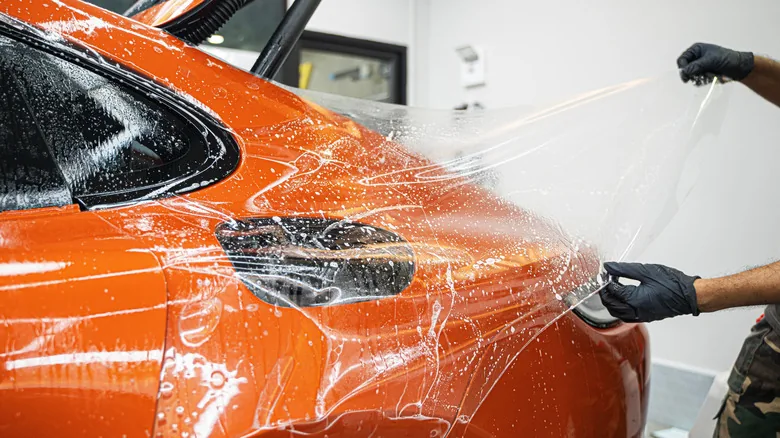
The main difference between satin and glossy PPF lies in their long-term maintenance requirements and costs. Glossy PPF is more prone to scratches and swirls, making it necessary to wash, clean, and detail it more frequently to maintain its appearance. On the other hand, satin PPF offers a semi-gloss finish that hides scratches and imperfections better than glossy PPF.
One of the key advantages of satin PPF is its ability to conceal surface defects. Unlike glossy PPF, which can accentuate minor flaws, satin PPF preserves the definition of lines and edges while only dulling some of the shine. This makes it an excellent choice for older cars with mildly weathered paint.
Self-healing PPF films are another notable feature that sets them apart from other types. These films can repair scratches and imperfections by applying heat, sun exposure, or hot water to the affected area. However, this property is not exclusive to satin PPF and applies to all high-quality film types.
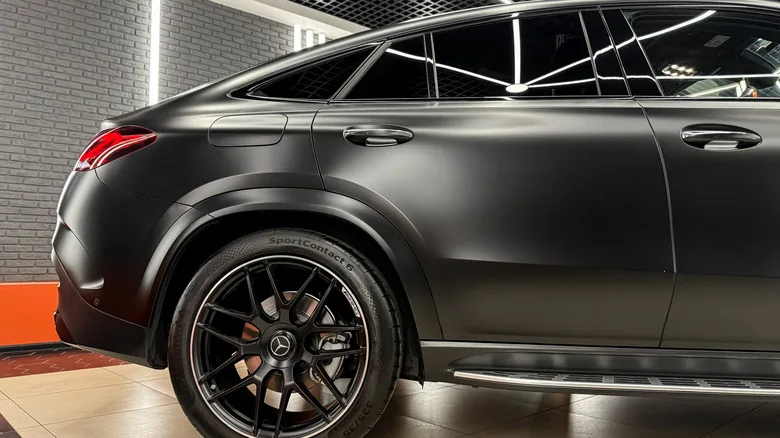
Satin PPF also excels in terms of dirt and fingerprint concealment, making it a better option for vehicles frequently parked outdoors or daily drivers with high mileage. This reduced need for cleaning and detailing makes satin PPF an attractive choice for those who value ease of maintenance.
While glossy PPF may be more affordable upfront, the long-term costs of frequent washing, cleaning, and detailing can add up quickly. Satin PPF, on the other hand, offers a balance between durability and low-maintenance requirements.
Ultimately, the choice between satin and glossy paint protection film comes down to personal preference and maintenance habits. Those who prioritize ease of maintenance and a sleek appearance may prefer satin PPF, while others may opt for glossy PPF due to its affordability and reflective finish.
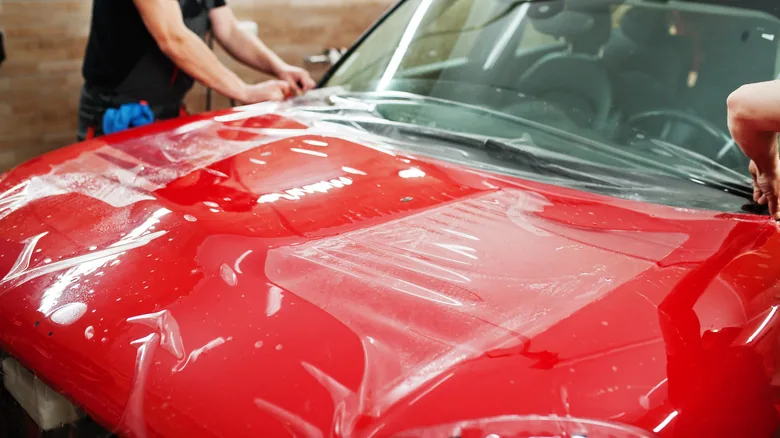
The choice between satin and glossy paint protection film ultimately comes down to personal preference and maintenance habits.