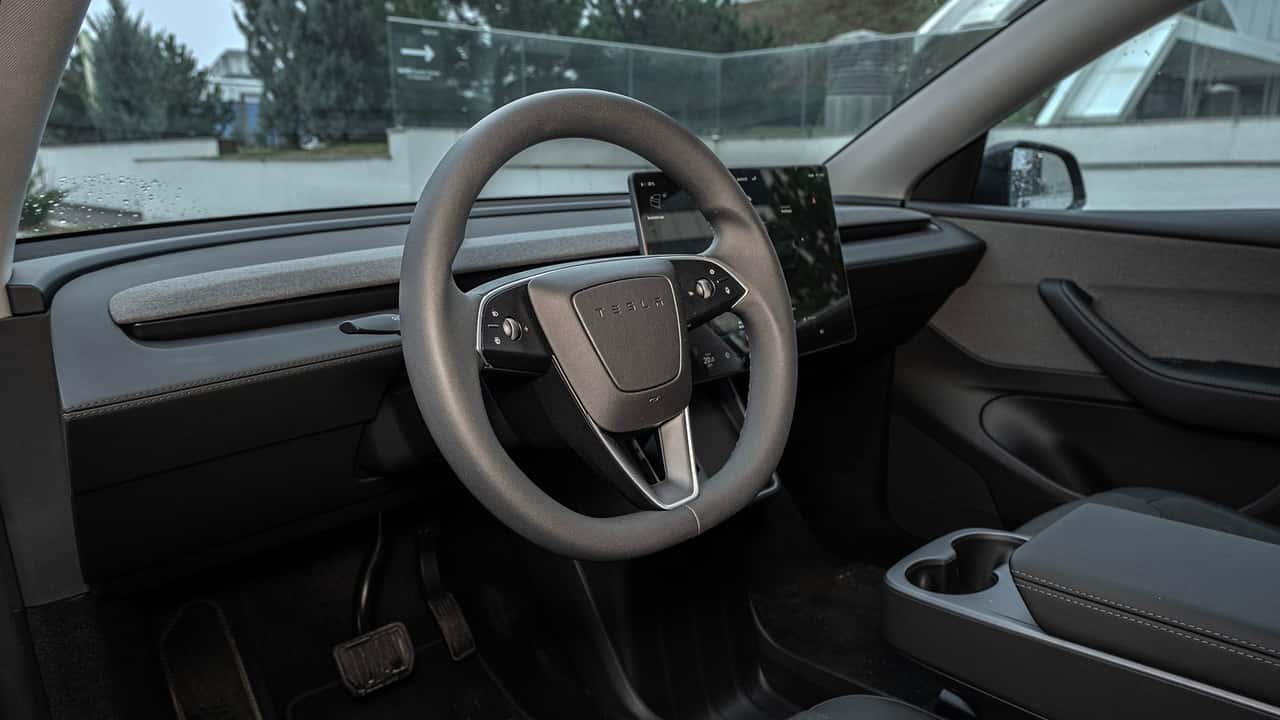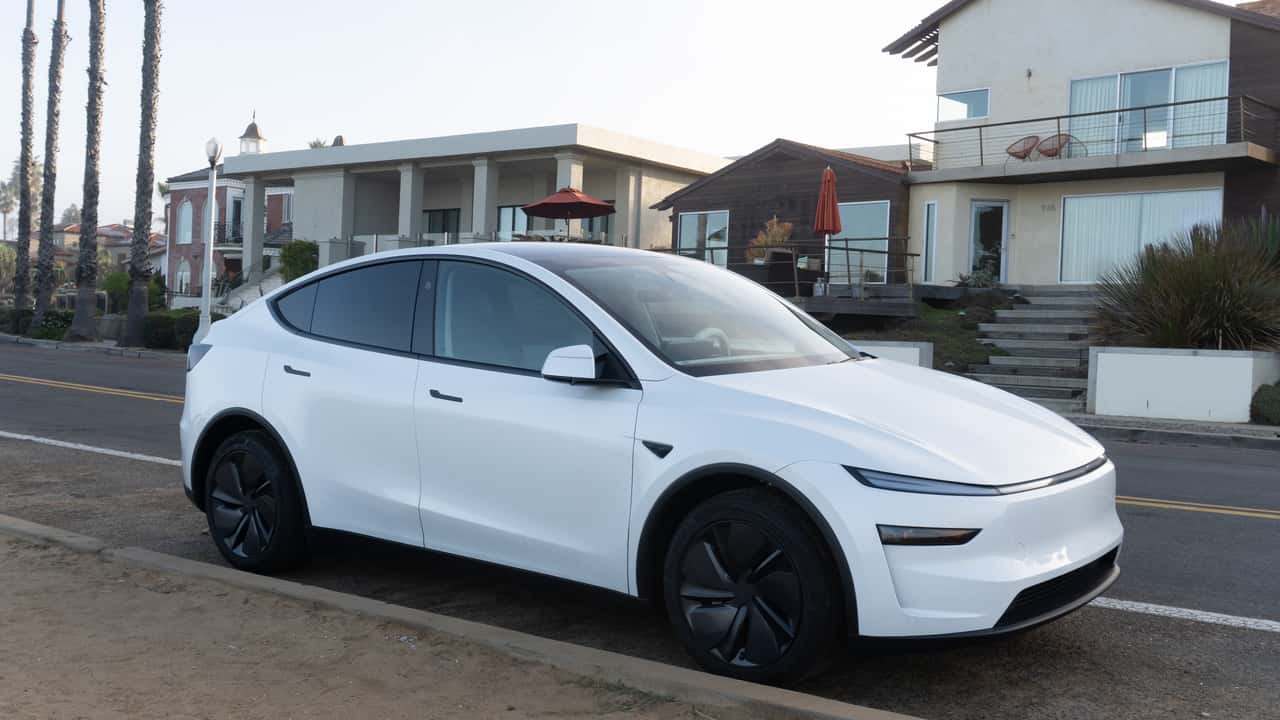

In a recent episode of Quick Charge, Elon Musk revealed that the highly anticipated AI5 chip, which he had previously stated would be ready six months ago, is still not ready for deployment. This delay has raised concerns among Tesla enthusiasts and industry observers who were eagerly awaiting advancements in Tesla's autonomous driving capabilities. The AI5 chip is expected to play a crucial role in enhancing the performance and efficiency of Tesla's vehicles, making this setback particularly significant for the company.
Meanwhile, Canadian automotive markets are set to welcome a new wave of Chinese vehicles, as local car manufacturers have reached a deal with Chinese carmakers. This agreement is expected to boost competition in the Canadian automotive sector, providing consumers with more options and potentially lowering prices. The entry of Chinese brands into Canada reflects a growing trend of globalization in the automotive industry, where international partnerships are becoming increasingly common.
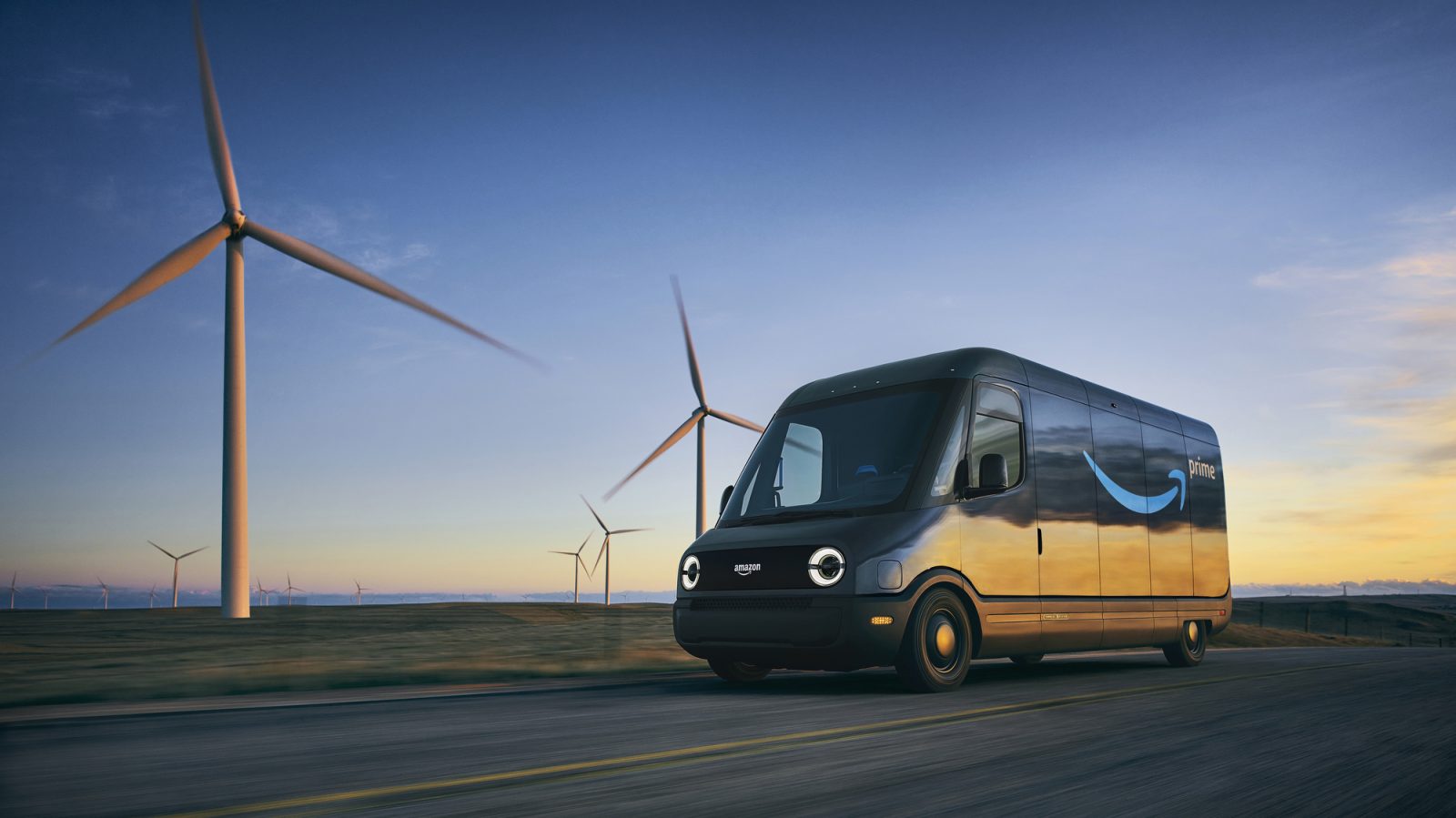
In another noteworthy development, a series of real-world studies have demonstrated that electric vehicles (EVs) can outperform diesel vehicles in extreme cold weather conditions. These studies suggest that fleets utilizing EVs can achieve substantial cost savings, even when faced with the harshest winter climates. This finding is particularly relevant for businesses that operate in regions with severe weather, as it challenges the long-held belief that diesel is the superior choice for cold weather performance.
The ability of EVs to deliver reliable performance in such conditions could lead to a significant shift in fleet management strategies. As more studies continue to validate the economic advantages of EVs over diesel, fleet operators may increasingly consider transitioning to electric options, especially as infrastructure for charging continues to improve.
Overall, the combination of Tesla's chip delay, the influx of Chinese vehicles in Canada, and the compelling evidence supporting EVs in cold weather paints a dynamic picture of the current automotive landscape. These developments highlight the ongoing evolution of the industry and the importance of innovation and adaptability in meeting consumer demands.