
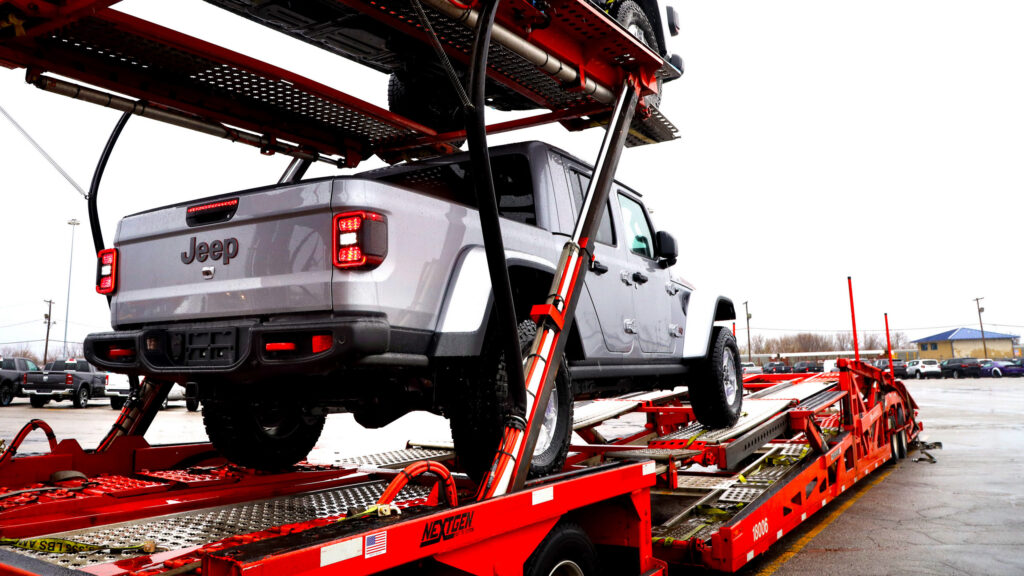
Vehicle transport scams are on the rise as criminals impersonate carriers and exploit dealer handoff gaps. For decades, automotive dealers have had an inside look at how cars are bought, sold, and moved around the country.
However, some are now using that same insider knowledge against them. Dealerships increasingly buy and sell high-value used vehicles across state lines, creating opportunities for bad actors to exploit gaps in communication and verification.
The scams often involve phishing emails, cloned websites, fake transport listings, and multiple participants. In some cases, criminals impersonate real transport companies on logistics dashboards, bidding on jobs using stolen credentials.

The most striking case emerged in February when Loeber Motors, a Mercedes-Benz dealership in Illinois, purchased a 2023 AMG G 63 worth nearly $350,000 from a Mercedes-Benz store in Laredo, Texas. When the legitimate carrier arrived to collect the SUV, the dealer learned someone else had already picked it up three days earlier.
The dealership has since filed a lawsuit over the missing G-Wagon. This is just one example of how scammers are tricking dealers into loading high-value cars onto the wrong trucks.
As dealerships become increasingly reliant on online platforms and logistics dashboards, they must be vigilant to avoid falling victim to these scams.

These scams highlight the importance of verifying the authenticity of transporters and logistics providers before entrusting them with high-value vehicles. Dealerships must take proactive steps to protect themselves from these types of scams, including conducting thorough background checks on potential carriers and monitoring their online presence for any suspicious activity.