


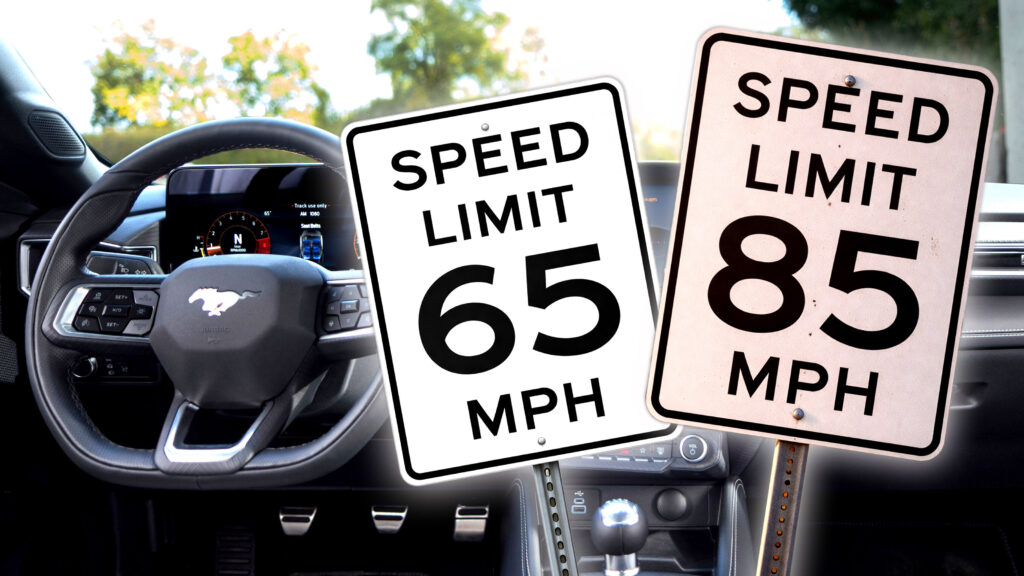
The notion that speed limits are the most effective way to reduce accidents on our roads has been widely debated among transportation experts. Many argue that these restrictions do not account for the diverse range of driving conditions, vehicle types, and individual driver skills. Furthermore, speed limits can lead to increased congestion and decreased productivity on the road.
In reality, the relationship between speed and safety is far more complex than a simple limit. Research suggests that the optimal speed for safe driving varies depending on factors such as road surface, weather conditions, and vehicle type. For instance, high-performance vehicles may be able to maintain safe speeds at higher limits without compromising safety.
Moreover, the implementation of speed limits can have unintended consequences, such as increased risk-taking behavior among drivers who feel that they are being unfairly restricted. This can lead to a rise in reckless driving and accidents. The focus should instead be on improving road infrastructure and driver education to promote safe driving practices.
Another significant issue with speed limits is their inflexibility. Speed limits do not account for the changing nature of traffic patterns, new technologies, or emerging safety concerns. As transportation technology advances, traditional speed limits become less relevant and can even hinder progress.
The rise of autonomous vehicles presents a unique opportunity to rethink our approach to speed limits. With self-driving cars capable of adapting to changing road conditions in real-time, the need for rigid speed limits diminishes. Instead, we should focus on creating safer roads that accommodate a wide range of driving styles and technologies.
In addition, some countries have successfully implemented dynamic speed limits that adjust to traffic conditions in real-time. These systems use data from sensors and cameras to monitor traffic flow and adjust speed limits accordingly. This approach has shown promising results in reducing accidents and improving road safety.
However, the widespread adoption of dynamic speed limits is still hindered by infrastructure limitations and regulatory hurdles. Governments must invest in modernizing their transportation networks to support these advanced systems.
Ultimately, the outdated nature of traditional speed limits highlights the need for a more nuanced approach to road safety. By embracing new technologies and flexible thinking, we can create safer, more efficient roads that cater to the diverse needs of drivers and vehicles.
It is time to rethink our assumptions about speed limits and their role in maintaining road safety. As we move forward with autonomous vehicles and advanced transportation systems, it is essential to prioritize flexibility, innovation, and collaboration over rigid restrictions.
The current speed limit system is no longer effective in maintaining road safety and efficiency.