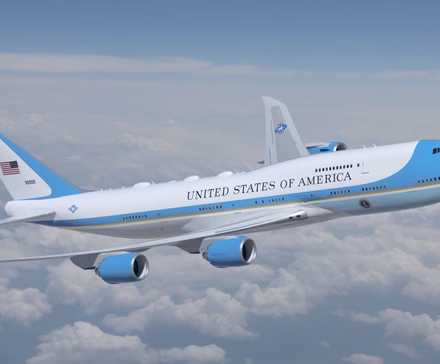
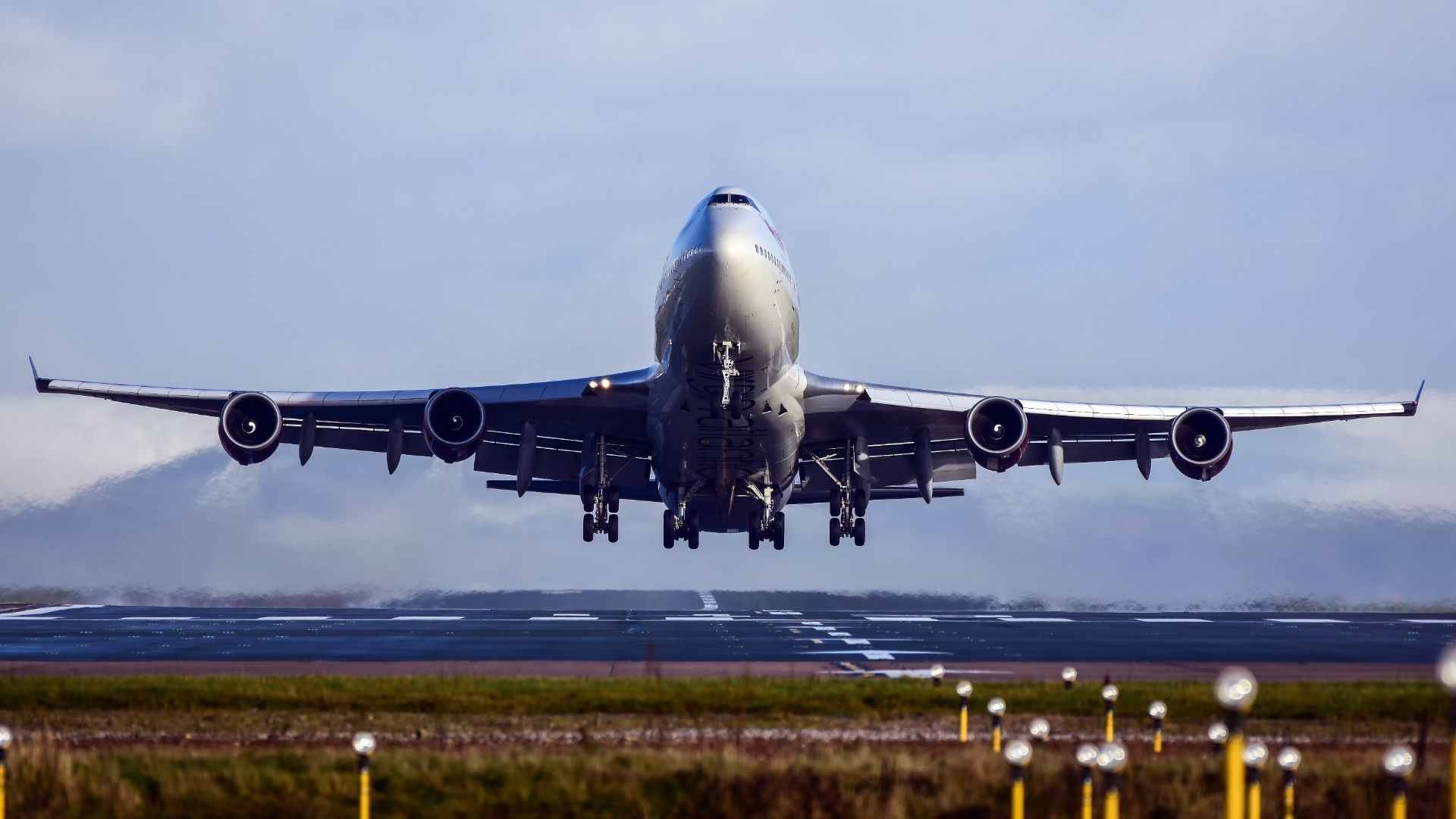
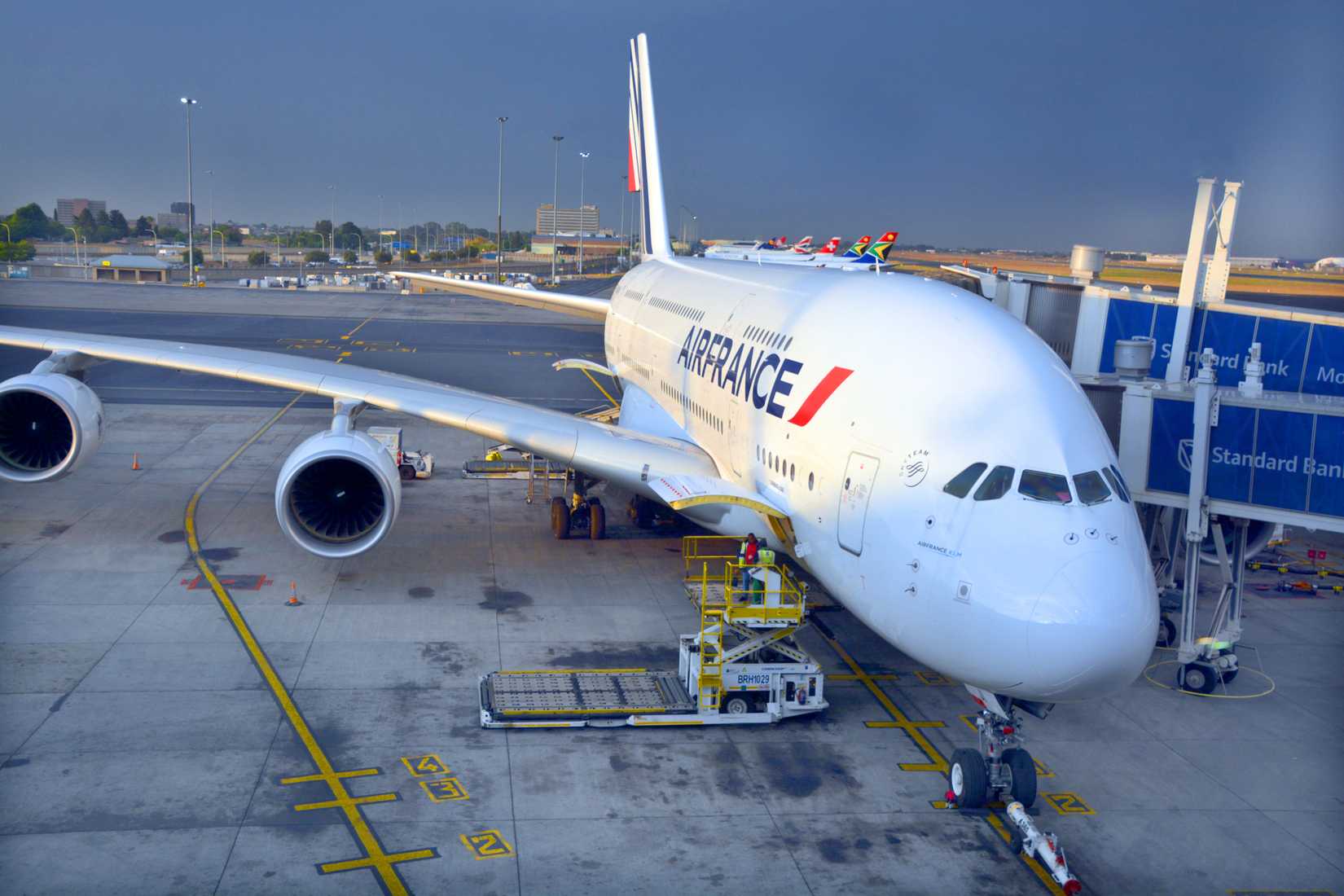
The question about why some airlines operate quad-engined commercial airliners is mostly a legacy question. No commercial quad-engined passenger aircraft are produced today, and there are no concrete plans to bring them back, apart from the supersonic Boom Overture project. The last passenger quad-jets were delivered in 2021 as Emirates received the last Airbus A380.
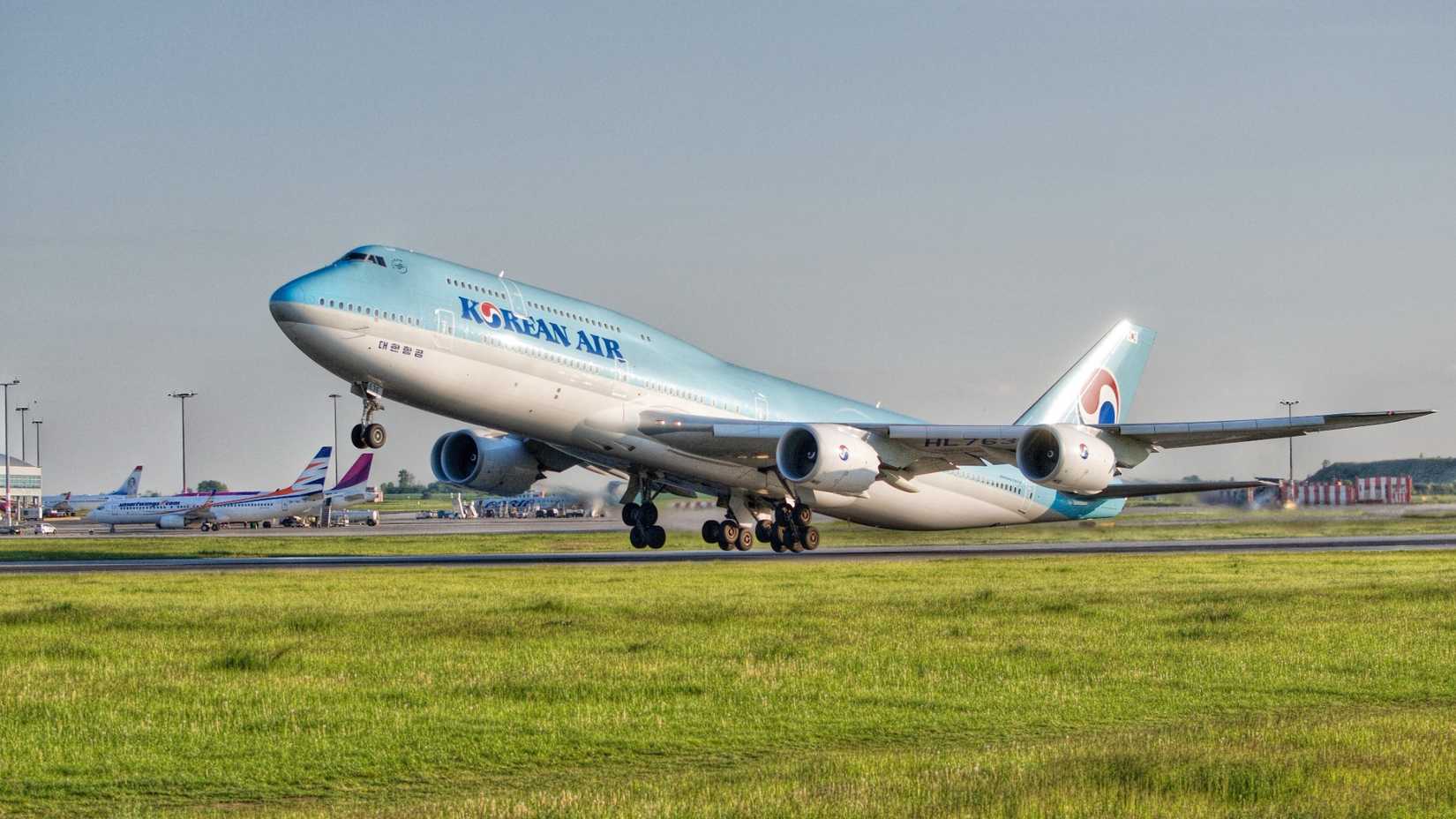
Boeing 747-8s remained in production until 2023, but they were freighters, marking a significant shift away from traditional four-engine passenger aircraft. This trend is expected to continue, with classic tube-and-wing quadjets set to disappear from scheduled passenger service as a matter of time.
As of 2026, no trijets are remaining in regular scheduled passenger service, and some types of the world's quadjets, like the Boeing 707, are retired as regularly scheduled passenger aircraft. The remaining quadjets are the Airbus A340, Airbus A380, Boeing 747, and Il-96, which will likely be the last holdouts for quad-engine commercial airliners.
Cubana de Aviación, Cuba's flag carrier, has a single Il-96 in active service, making it one of the few remaining examples of a quad-jet used for scheduled commercial passenger flights. However, the availability of fuel on the island is uncertain, casting doubt on its continued operation.
Some Russian airlines also operate Il-96s, but they are mostly for governmental or cargo use, highlighting the limited scope of quad-engine aircraft in modern commercial aviation. This article will focus exclusively on quadjets used for scheduled commercial passenger flights.
Leading reasons why airlines generally don't want to operate quadjets include their lower fuel efficiency, increased maintenance costs, and reduced reliability. The decreased reliability is largely due to the fact that a single engine failure is more likely to occur than in twin-engine aircraft.
The use of four engines is necessary for ultra-large widebody aircraft like the Boeing 747, which was developed in the 1960s as one of the first commercial jetliners. Despite advancements in engine technology, the size and weight of these aircraft require multiple engines to achieve sufficient power and stability.
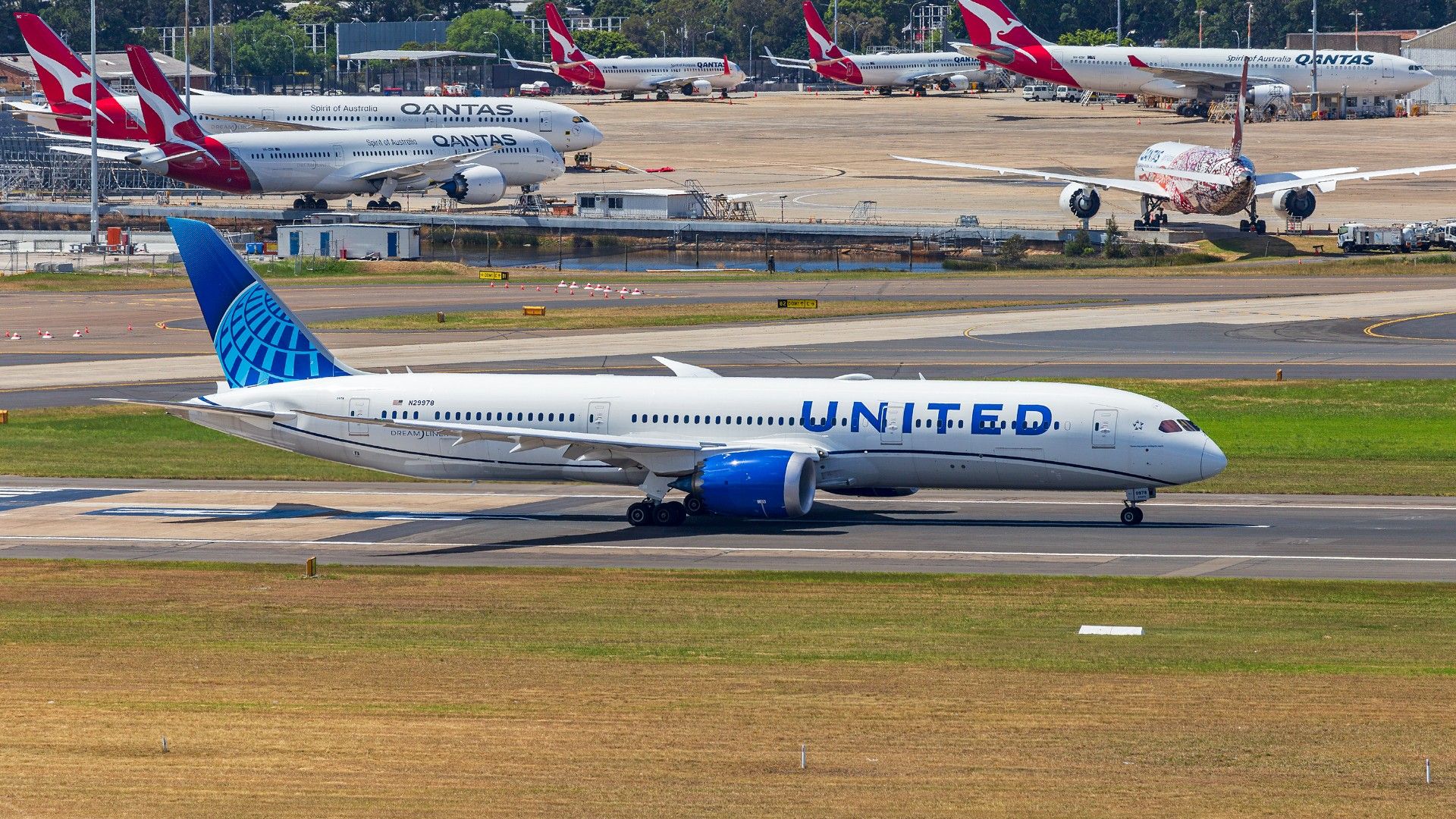
Airbus's assessment of the future of aviation was focused on the hub-and-spoke model, which led to the development of ultra-large widebody aircraft like the A380-800. However, this approach has largely been superseded by more fuel-efficient mid-sized, widebody aircraft like the Boeing 787 Dreamliner and the Airbus A350.
The legacy of four-engine jets will continue to shape the aviation industry, with quad-jets likely becoming increasingly rare in the coming decades. As airlines focus on efficiency, reliability, and sustainability, the use of quadjets is expected to decline.