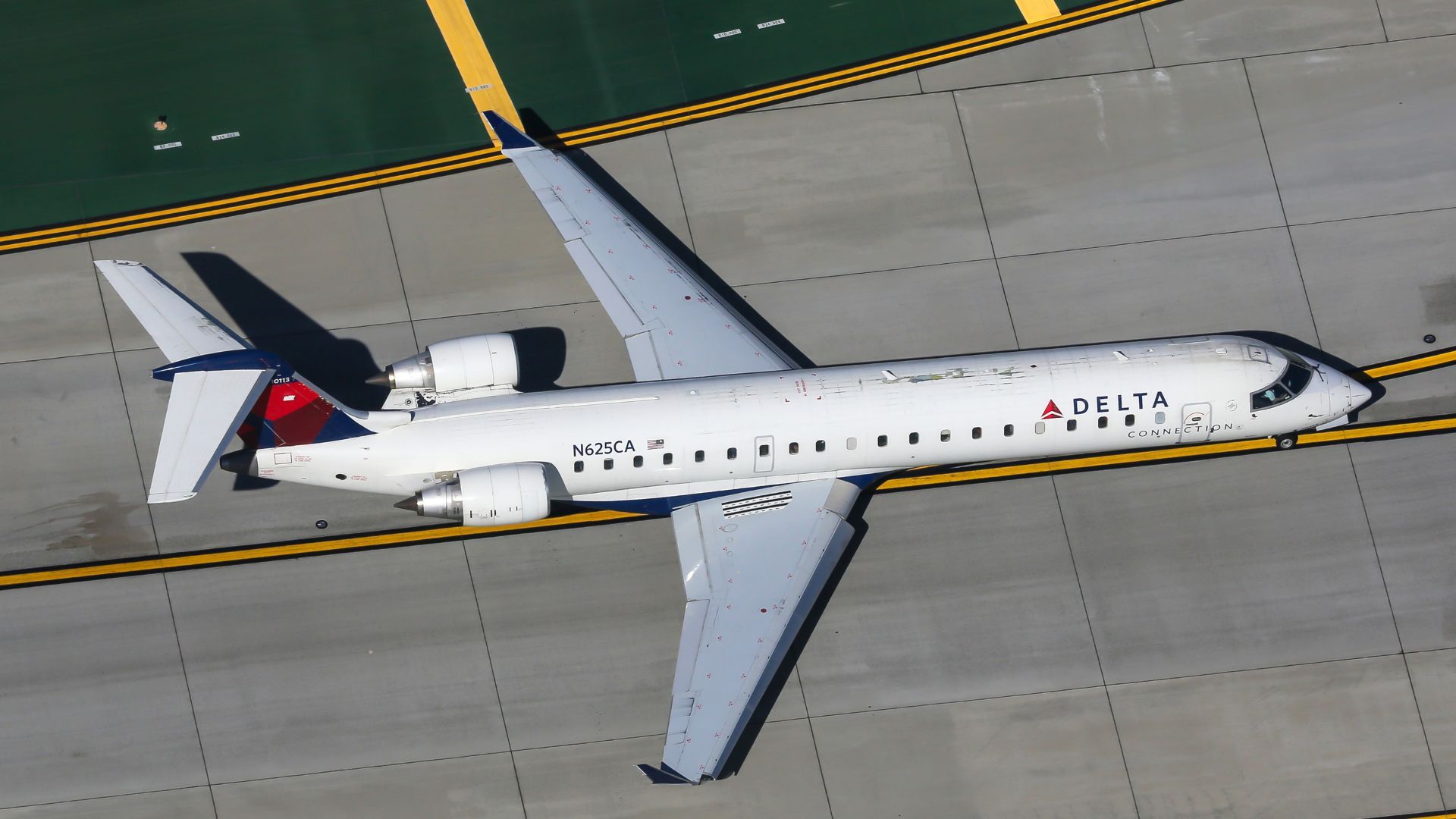
Passengers on a Delta Air Lines flight in the United States have raised concerns after the aircraft was reportedly delayed to accommodate a late-arriving traveler allegedly connected to an airline executive. The incident took place at Salt Lake City International Airport (SLC) on Thursday night, involving a short-haul domestic service. According to multiple passengers, the plane was held on the tarmac for nearly an hour after boarding was complete. The situation quickly gained attention after those on board shared their accounts with local media outlets.
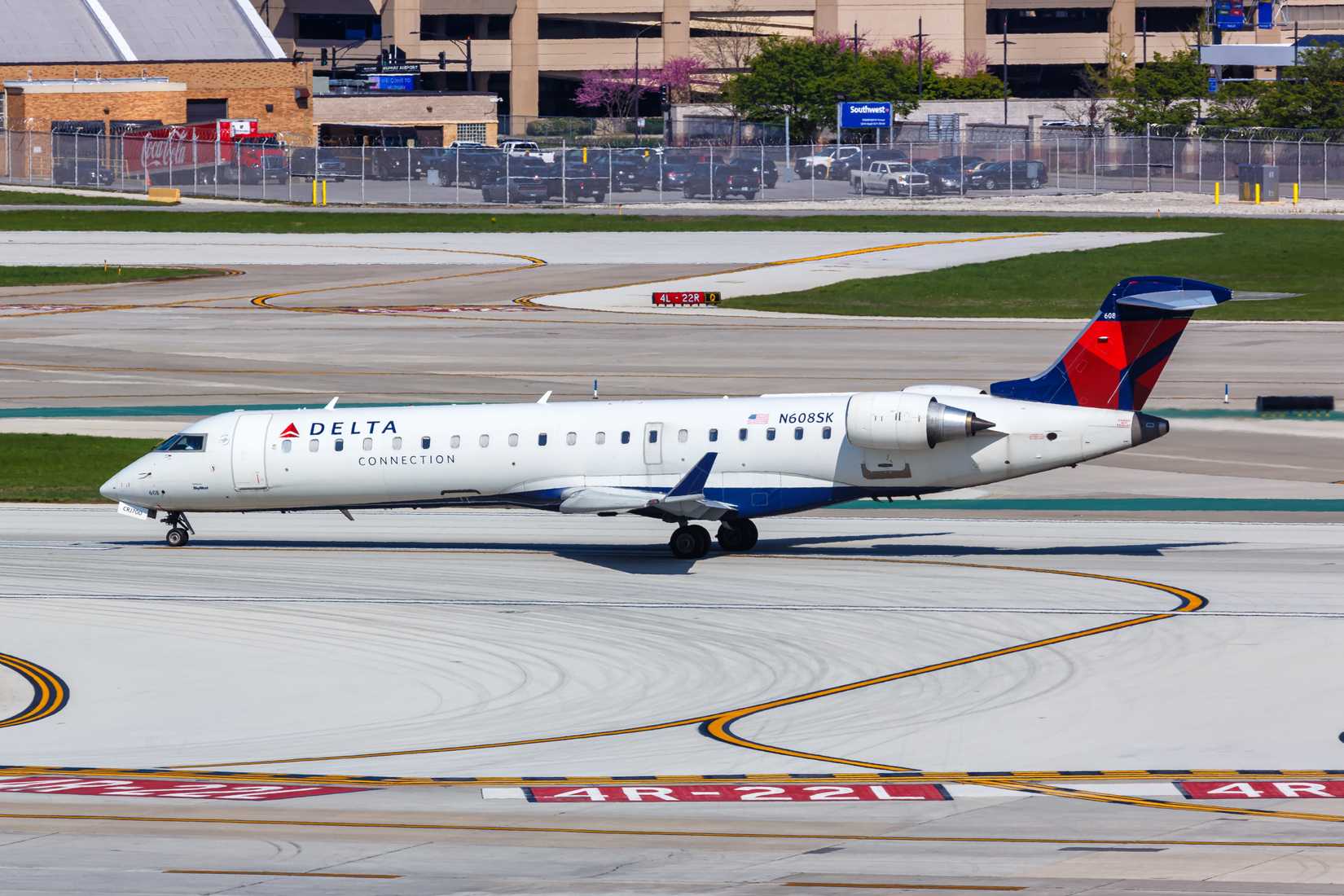
The flight in question, Delta 4279, operated by regional partner SkyWest Airlines, was scheduled to travel from Salt Lake City International Airport (SLC) to St. George Regional Airport (SGU). Passengers told reporters they were informed of the delay while already seated, with some claiming the reason involved a late-arriving passenger tied to an airline executive. While such claims remain unverified, the incident has sparked wider debate about airline transparency and fairness.
Passengers reported that the aircraft remained on the tarmac for close to an hour, significantly longer than a typical operational delay. Several individuals said the captain informed them the hold was requested by “his boss” to allow time for a late passenger to board. Some passengers also claimed that airline staff suggested the individual was the daughter of a SkyWest executive, though the airline has not confirmed this.
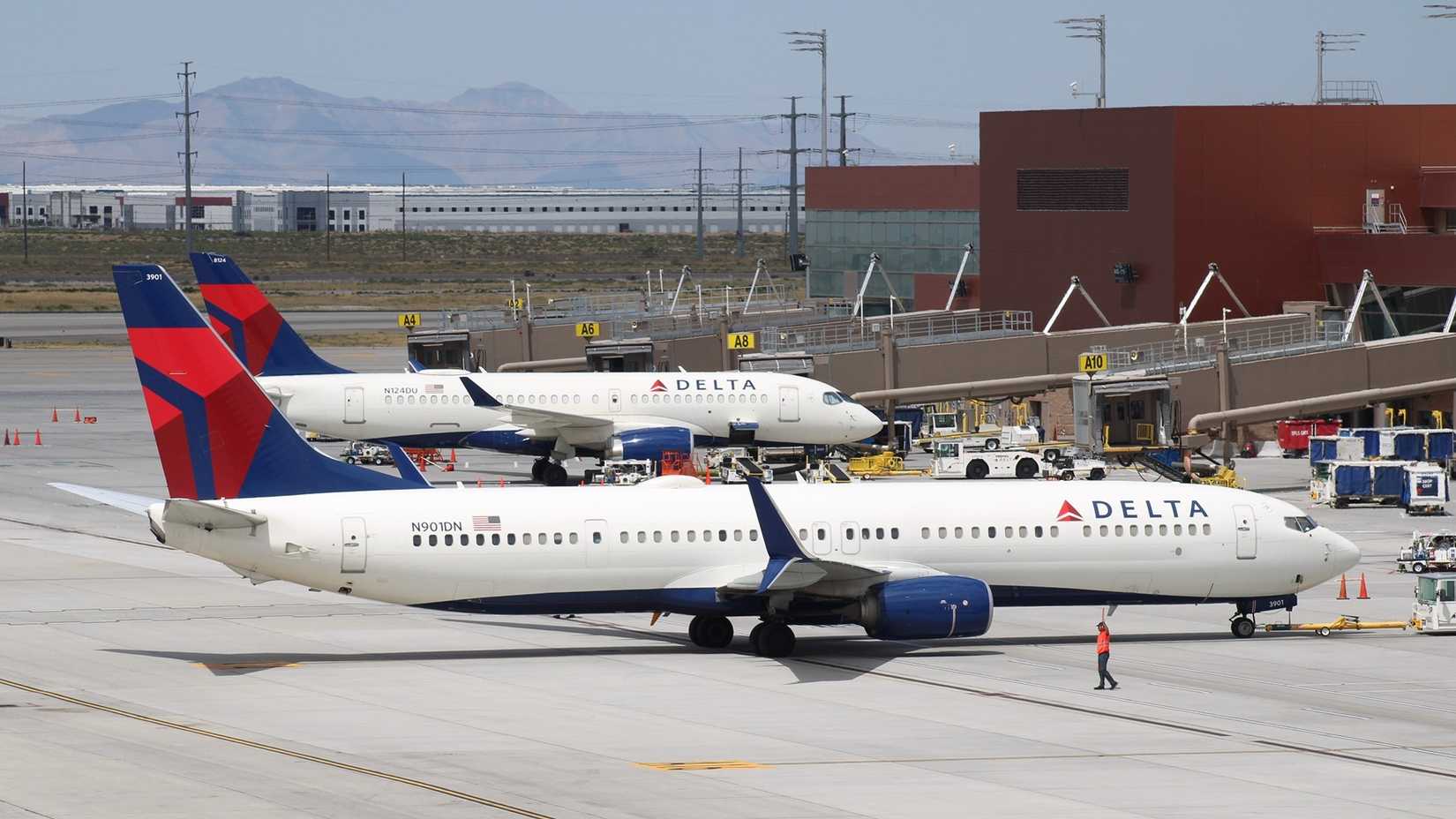
The flight eventually departed after the additional passengers arrived. The extended delay led to frustration among travelers, particularly those with tight schedules or onward connections. It is essential for airlines to communicate clearly about delays and provide adequate compensation to affected passengers.
SkyWest responded by stating it could not confirm the identity of any passenger and rejected the claim that the delay was for a single individual. Instead, the airline said the decision was made to accommodate multiple delayed passengers when operationally feasible. This aligns with standard industry practices, though the reported circumstances have drawn scrutiny.
Holding flights for connecting passengers is a common practice, particularly at hub airports like Salt Lake City. Airlines often weigh the benefits of a short delay against the potential disruption caused by passengers missing connections. In many cases, holding a flight for several travelers can reduce overall inconvenience across the network.
However, the perception that a delay may have been influenced by personal connections has fueled criticism in this instance. The incident highlights the need for airlines to be more transparent about their decision-making processes and ensure that delays are not unfairly prioritized based on personal relationships.
The airline's response has also raised questions about the role of executive privilege in shaping airline operations. As one passenger noted, the fact that a late-arriving traveler was able to influence the departure time of a flight raises concerns about the fairness and accountability of the airline's decision-making processes.
Airline delays are a common occurrence, but the perception that one was influenced by personal connections highlights the need for greater transparency and fairness.