

Boeing's 777X has left the aviation world with a unique feature that is sure to raise eyebrows - its folding wingtips. The manufacturer's decision to break from traditional fixed wings was met with curiosity, and it's clear that this design choice will have far-reaching implications for the industry.
The 777X's enormous bulk requires large wings to ensure the jet can takeoff, land, and fly safely. With a flying wingspan of 235 feet (71.8 meters), these wings are part of the aerodynamic improvements that have yielded a 20% improvement in fuel use and emissions compared to the aircraft it is replacing.
The folding wingtip feature expands the number of airports that can accommodate the 777X, using International Civil Aviation Organization (ICAO) data, by decreasing the maximum ICAO airport code it can fly at. This means that smaller gates become possible, making it easier for the jet to operate out of smaller airports and gates.
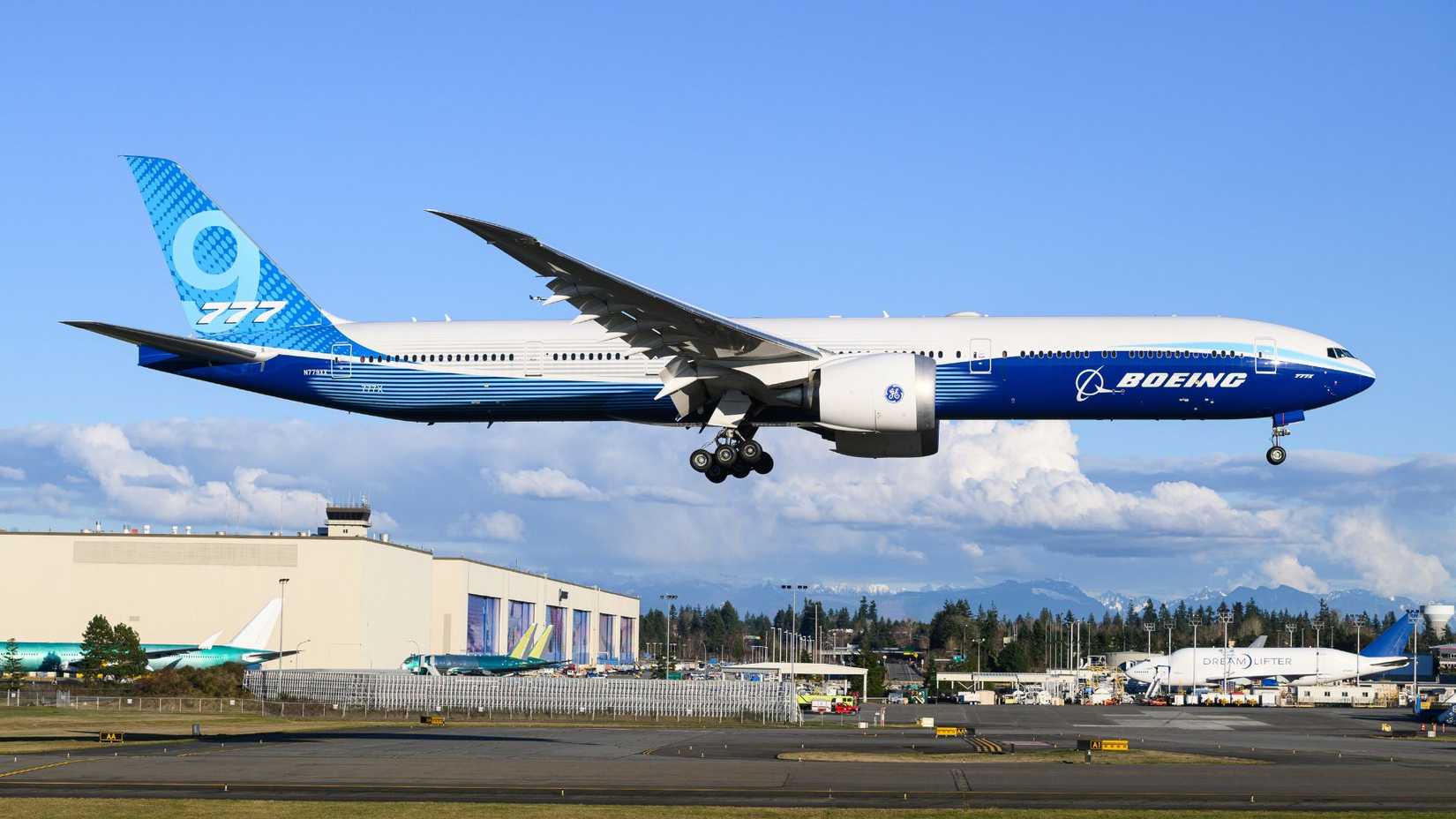
Wings so large would limit the aircraft's flexibility if they were not foldable. However, when folded in, the jet's wingspan is just 212 feet (64.9 meters), allowing Boeing's customers to fly the jet at airports that currently accommodate older 777 variants and the 787 Dreamliner.
Boeing claims that its customers will be able to fly the jet at airports that currently accommodate older 777 variants and the 787 Dreamliner, giving them greater operational flexibility. This is a significant advantage for carriers looking to expand their route networks or increase their frequencies.
The folding wingtips work by using an overhead switch controlled by pilots, which folds the wingtip upwards after landing. The outer part of the jet is hinged, and a mechanism kicks into gear to fold the wingtip upwards once the pilot uses the switch.
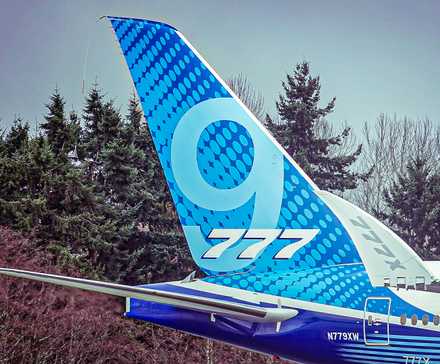
Having been extended, the 777X electronically isolates the wingtips, preventing them from being folded mid-flight. A large mechanical bolt also keeps them firmly in place, ensuring that the wings remain secure during flight.
The 777X's folding wingtips are designed to be safe and reliable, with several alerts built into the system to prevent accidents. The jet's cockpit designers have ensured that 'extended' is clearly displayed when the jet is in takeoff and flight positions and folded when the jet is on the ground.
As the aviation industry continues to evolve, it will be interesting to see if other manufacturers adopt similar designs. Could we soon see folding wingtips becoming a standard feature across the industry?
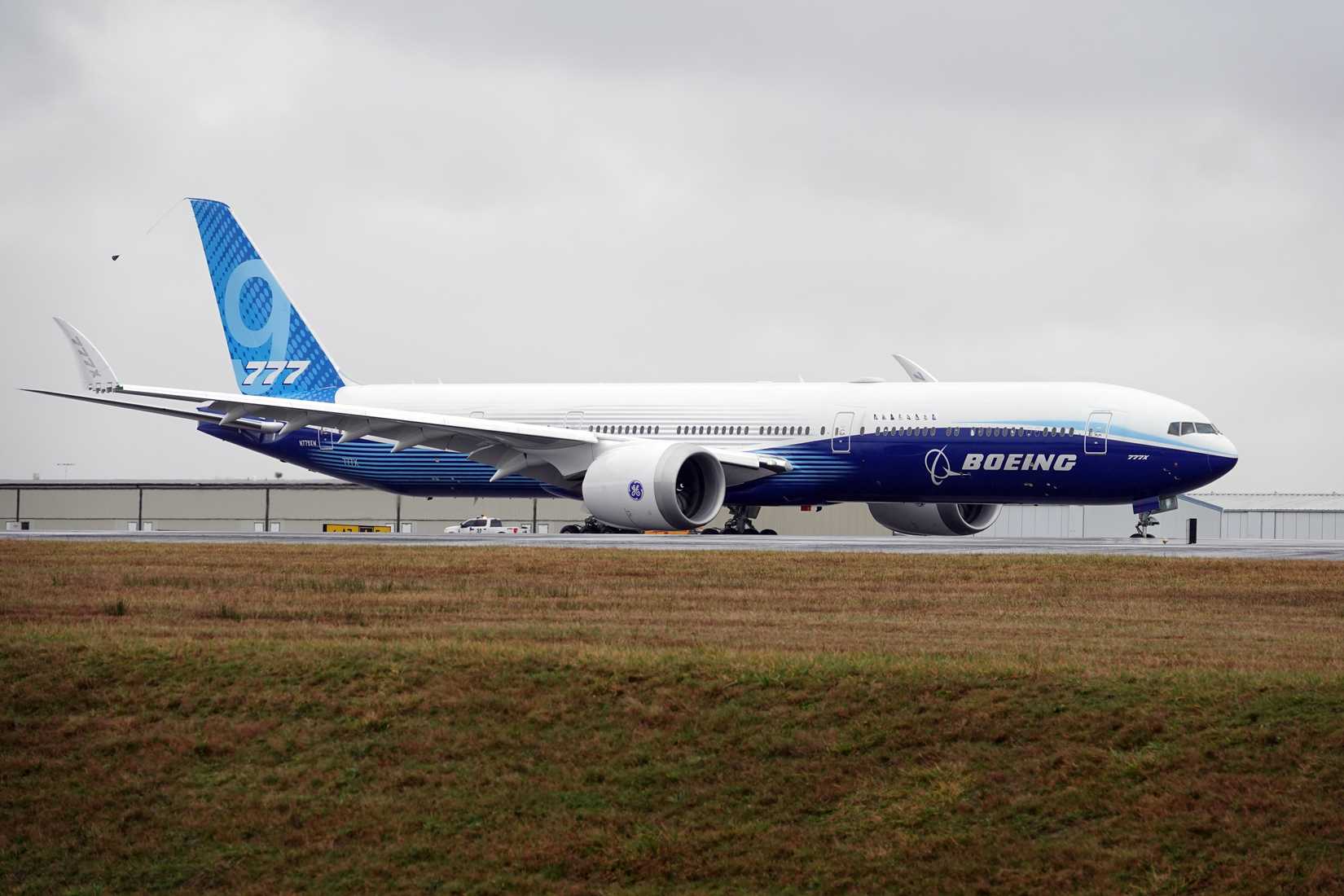
The 777X's unique design is just one example of how Boeing is pushing the boundaries of innovation in aircraft design. As the industry looks to the future, it's clear that folding wingtips will be an important factor in shaping the next generation of commercial aviation.
The adoption of folding wingtips by other manufacturers could lead to increased operational flexibility and reduced airport constraints.