


The International Civil Aviation Organization (ICAO) has introduced new guidelines for the use of power banks on flights, effective March 27, 2026. The move is aimed at enhancing passenger safety and reducing the risk of lithium battery-related incidents. Under the new rules, passengers are permitted to carry up to two power banks per flight, but they must remain in their carry-on baggage and cannot be recharged in-flight.
The use of power banks on flights has been a growing concern for airlines and regulatory bodies alike. The ICAO Dangerous Goods Panel actively monitored emerging risks associated with portable chargers and reviewed the panel's latest recommendations. The new guidelines reflect this expertise and aim to minimize the risk of accidents involving lithium batteries.
Passengers are now allowed to carry up to two rechargeable battery packs on flights, but they must be stored in their carry-on baggage under the seat in front. This restriction is intended to prevent any potential risks associated with power banks being recharged onboard. The new rules also apply to earbuds and hearing aid chargers, which are considered a type of power bank.

The inclusion of these devices as spare batteries necessitates special handling during security screening. If found in checked baggage, they may be confiscated by airport security due to the high risk of explosion or leakage. This highlights the importance of adhering to the new guidelines and ensuring that power banks are stored safely.
Several recent incidents involving power bank fires on flights have led airlines to implement stricter regulations. Lufthansa, for example, introduced new rules earlier this year, limiting passengers to carrying only two power banks onboard. Similar guidelines have been implemented by other carriers, emphasizing the need for caution when using these devices during flight.
Power banks with a capacity between 100 Wh and 160 Wh must be approved by the airline in advance. Medical devices may be exempt from this regulation, but airlines have explicitly stated that recharging power banks onboard is strictly prohibited during the flight, including taxi, takeoff, and landing phases.
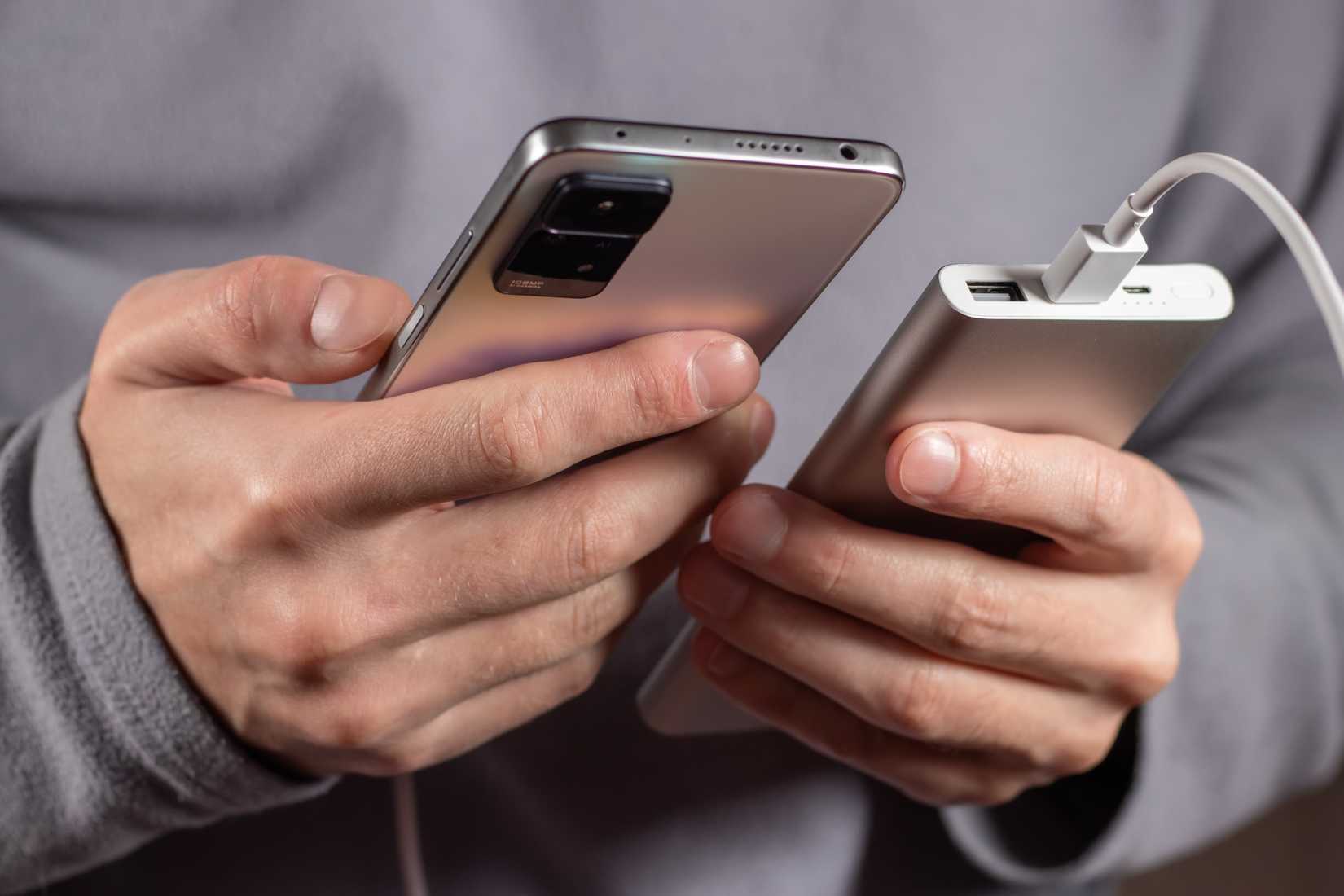
Airlines are taking a proactive approach to ensuring passenger safety, with some carriers allowing passengers to carry up to five power banks each. However, additional ones require approval from the airline at check-in. This highlights the need for clear communication and cooperation between airlines and their passengers regarding the use of power banks on flights.
The new regulations aim to strike a balance between passenger convenience and safety concerns. By implementing these guidelines, airlines can reduce the risk of accidents involving lithium batteries and provide a safer flying experience for all passengers.
As the aviation industry continues to evolve, it is essential that regulatory bodies like ICAO remain vigilant in addressing emerging risks. The introduction of new guidelines for power banks on flights demonstrates this commitment to safety and will likely have a positive impact on passenger confidence and air travel overall.

The new regulations aim to strike a balance between passenger convenience and safety concerns.