


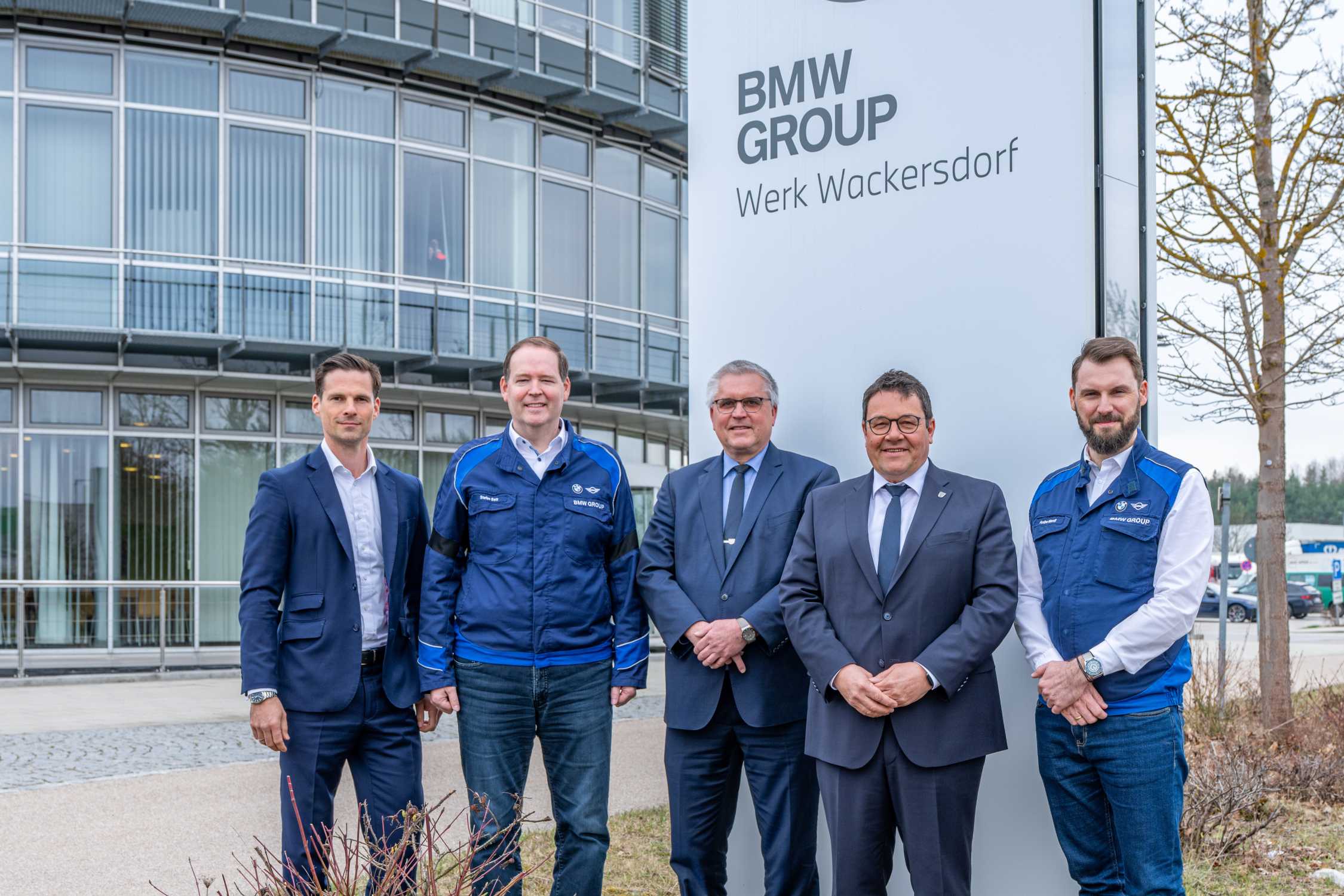
The BMW Group is making significant strides in its commitment to sustainability by relocating its Recycling and Dismantling Centre (RDC) from Unterschleißheim to a newly developed site in Wackersdorf. This move is not merely a relocation but rather an expansive initiative aimed at creating a state-of-the-art Competence Centre Circularity. Scheduled to be operational by early 2029, this facility will enhance the company's capabilities in vehicle dismantling and recycling, aligning with its strategic focus on the circular economy.
Jörg Lederbauer, Vice-President of Circular Economy at BMW Group, emphasizes that the circular economy is a vital aspect of the company's corporate strategy. The new competence centre will play a crucial role in the circular value chain, contributing to more resource-efficient mobility solutions. By focusing on maintaining the value of materials for long-term use, the centre aims to reduce reliance on primary raw materials and promote the use of high-quality secondary materials, thereby lowering the carbon footprint of BMW vehicles.
For over three decades, the RDC has been at the forefront of developing innovative recycling methods and material recovery techniques. The insights gained from this facility have been instrumental in shaping product development at BMW, particularly in adopting Design for Circularity principles. These advancements not only enhance the recyclability of components but also facilitate partnerships, such as the recent collaboration with PreZero, aimed at optimizing end-of-life vehicle recycling.

The work conducted at the RDC has far-reaching implications beyond BMW, impacting a global network of approximately 3,000 businesses across 32 countries. These enterprises utilize a shared recycling database that provides essential information on cost-effective disassembly and efficient recovery of valuable materials. This collaborative approach underscores the importance of knowledge sharing in advancing recycling practices within the automotive industry.
At the new Wackersdorf site, the integration of process, material, and technology development with vehicle recycling operations will be significantly enhanced. The Competence Centre Circularity will expand its scope to include the recycling of hydrogen vehicles, automation of dismantling processes, and the development of cutting-edge shredding and sorting technologies. This holistic approach is expected to drive innovation in the recycling sector.
The selection of Wackersdorf as the new home for the Competence Centre Circularity is strategic, given the site's long-standing reputation for flexibility and expertise within the BMW Group. The Wackersdorf plant has historically housed various production activities, including cockpit production and battery testing, making it a well-suited location for the new centre. This integration of diverse capabilities is anticipated to foster synergies that will enhance operational efficiency.

In recent years, BMW has taken decisive steps to strengthen its sustainability initiatives, reflecting a broader trend in the automotive industry towards environmentally responsible practices. The establishment of the Competence Centre Circularity is a testament to the company's commitment to leading the charge in sustainable mobility solutions. As the industry evolves, such initiatives will likely influence competitors and set new standards for environmental stewardship.
The establishment of this centre is not only a forward-thinking move for BMW but also a reflection of the automotive sector's shift towards circular economy principles. As manufacturers increasingly prioritize sustainability, the focus on recycling and material recovery will play a crucial role in shaping the future of vehicle production and end-of-life management. The success of the Competence Centre Circularity could serve as a model for other companies aiming to enhance their sustainability practices.
The establishment of the Competence Centre Circularity reflects the automotive industry's growing emphasis on sustainability and resource efficiency, which is increasingly becoming a competitive differentiator. As manufacturers adapt to regulatory pressures and consumer demand for greener practices, initiatives like this will likely set new benchmarks in the sector.