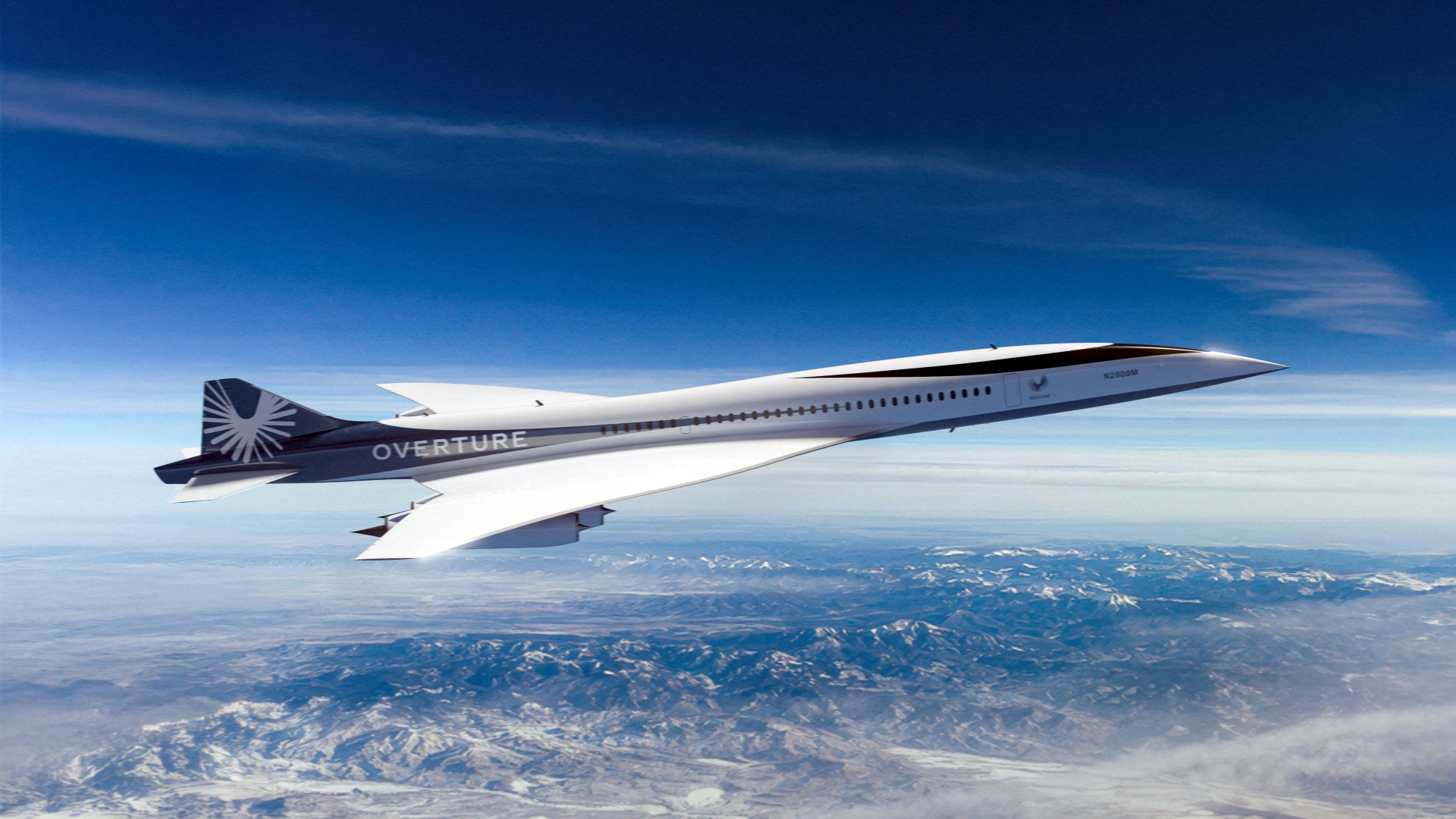
The House of Representatives has voted to lift a decades-old ban on supersonic aircraft, paving the way for faster-than-sound overland flights. The ban was originally enacted due to concerns over sonic booms emitted from supersonic planes. However, new noise-mitigation technology will enable next-generation supersonic jets to fly without causing major noise disturbances.
The bill, titled the Supersonic Aviation Modernization (SAM) Act, requires the Federal Aviation Administration (FAA) to revise regulations banning supersonic overland flights within a year. This could usher in a new era of supersonic flight and significantly reduce travel times between US cities.
The legislation will give the FAA exactly one year to overhaul its 1973-era 14 CFR § 91.817 legislation, which outlaws overland commercial flights at speeds of or exceeding Mach 1. With this change, operators can now feasibly fly faster-than-sound jets overland without disturbing residents and wildlife below.
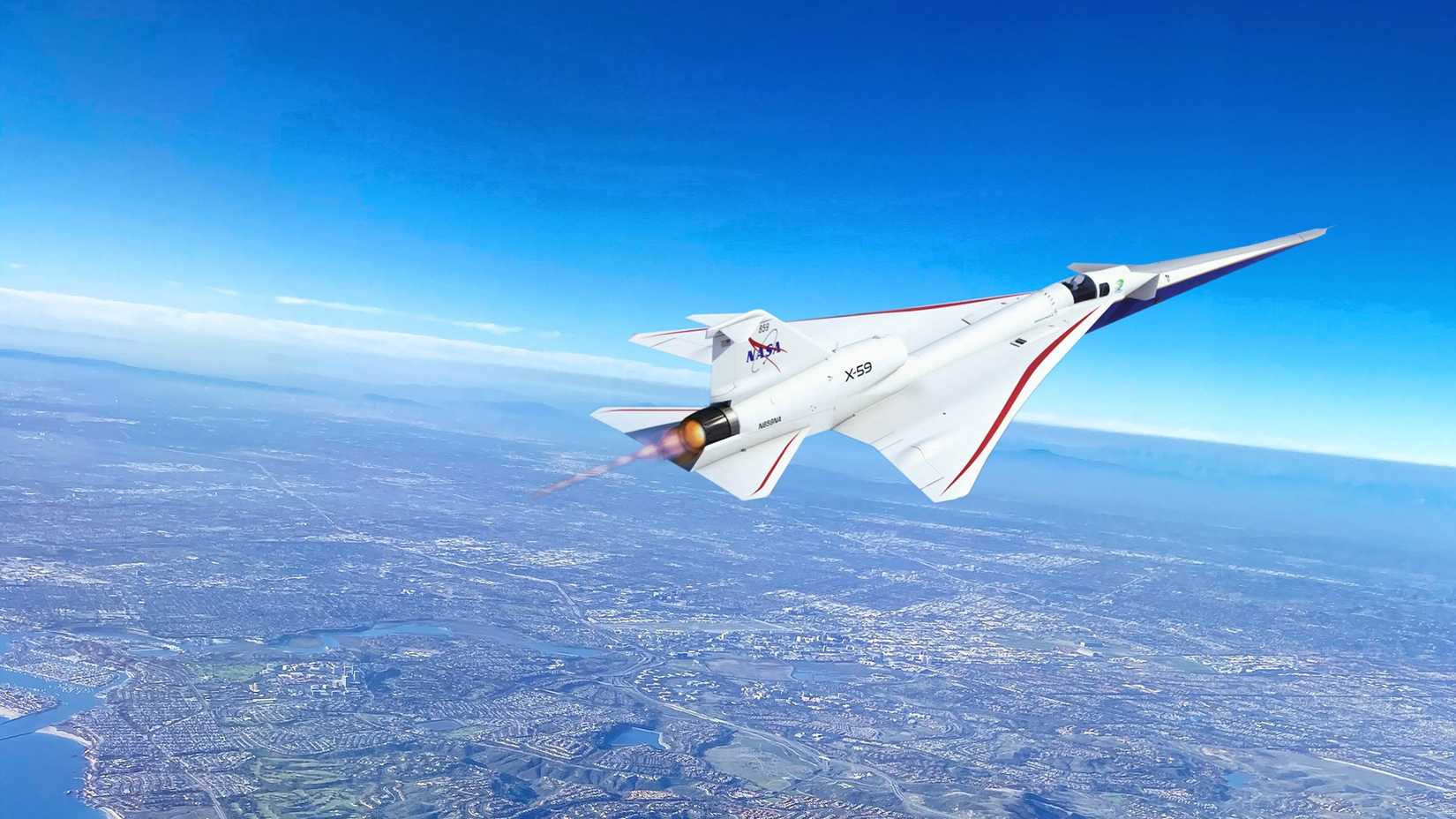
A prime example of this is Boom Supersonic, a North Carolina-based company leading the push for supersonic commercial flight. Its 'Boomless Cruise' concept ensures sound waves bend back upwards instead of reaching the ground, making it possible to fly at supersonic speeds without sonic booms.
Congressman Troy E. Nehls commented on his legislation, stating that it puts an end to decades of FAA regulations holding back American innovation and supersonic flight. The Senate must act swiftly to pass this legislation and ensure the US leads in supersonic aviation.
It has been almost a quarter of a century since the last scheduled supersonic commercial flight. The British Airways Concorde service between New York JFK Airport and London Heathrow Airport was the last scheduled supersonic flight, taking place on October 24, 2003. This wasn't the last-ever Concorde flight, as it performed a final ferry flight for one of its airframes.
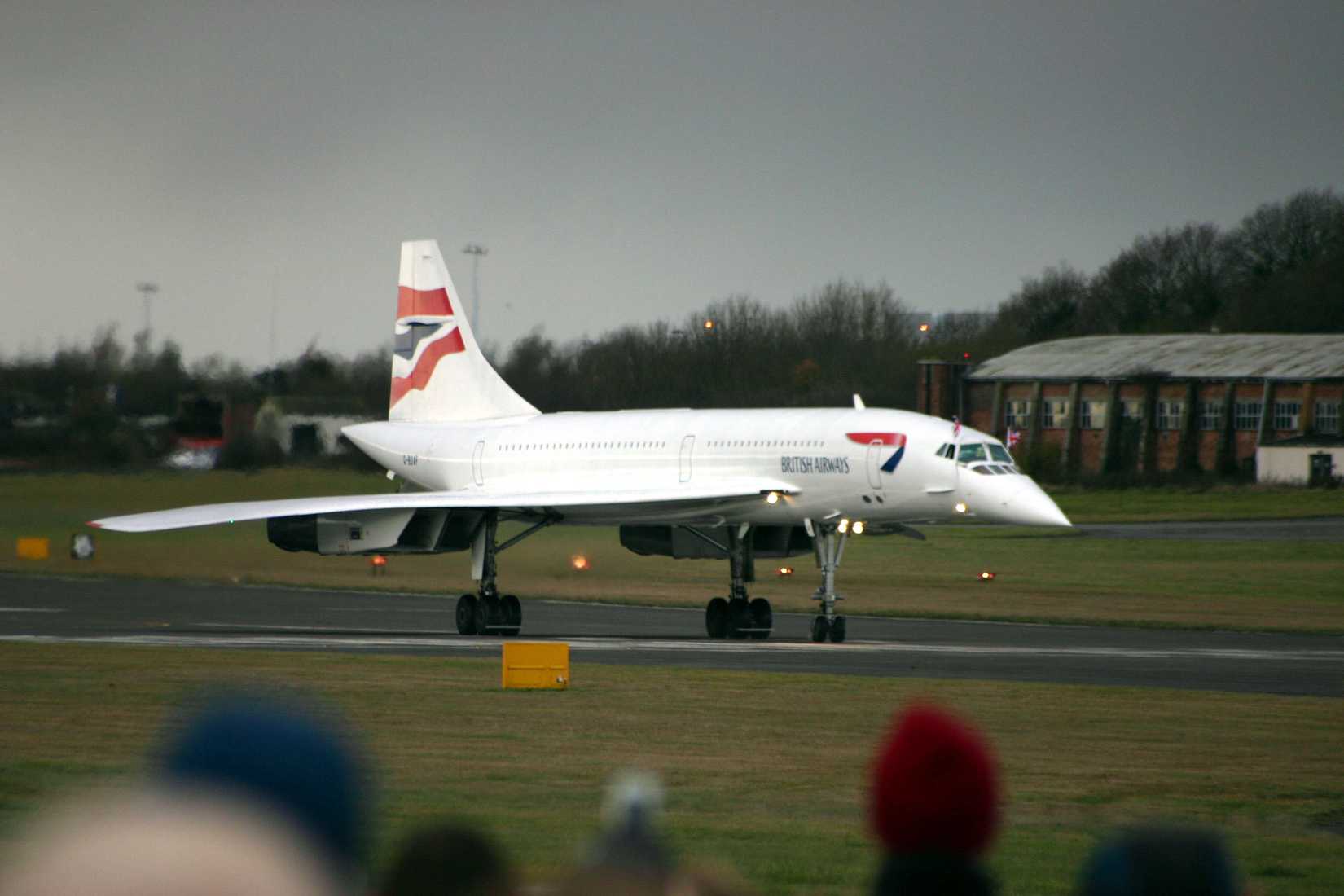
The infamous Air France Flight 4590 crash in July 2000 is often cited as the Concorde's death knell. However, this isn't the whole story. Concorde operators flew the jet for decades at a significant loss due to suboptimal seat economics. Tickets were several thousand dollars, making it difficult to fill flights.
Following Concorde's retirement in the early 2000s, supersonic commercial flights were largely absent from the market. However, with new technology and legislation on the horizon, it seems that supersonic flight may make a comeback.
The new bill could lead to a significant reduction in flight times and increase passenger numbers, making supersonic travel a more viable option for US travelers. As the aviation industry continues to evolve, it will be interesting to see how this new technology impacts the future of air travel.
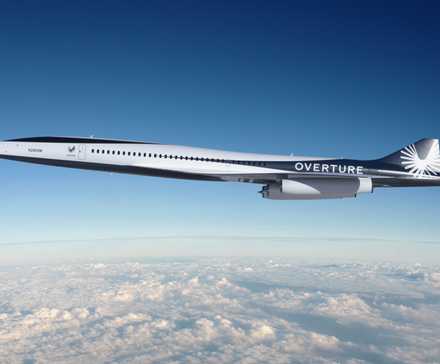
The new bill could lead to a significant reduction in flight times and increase passenger numbers.