

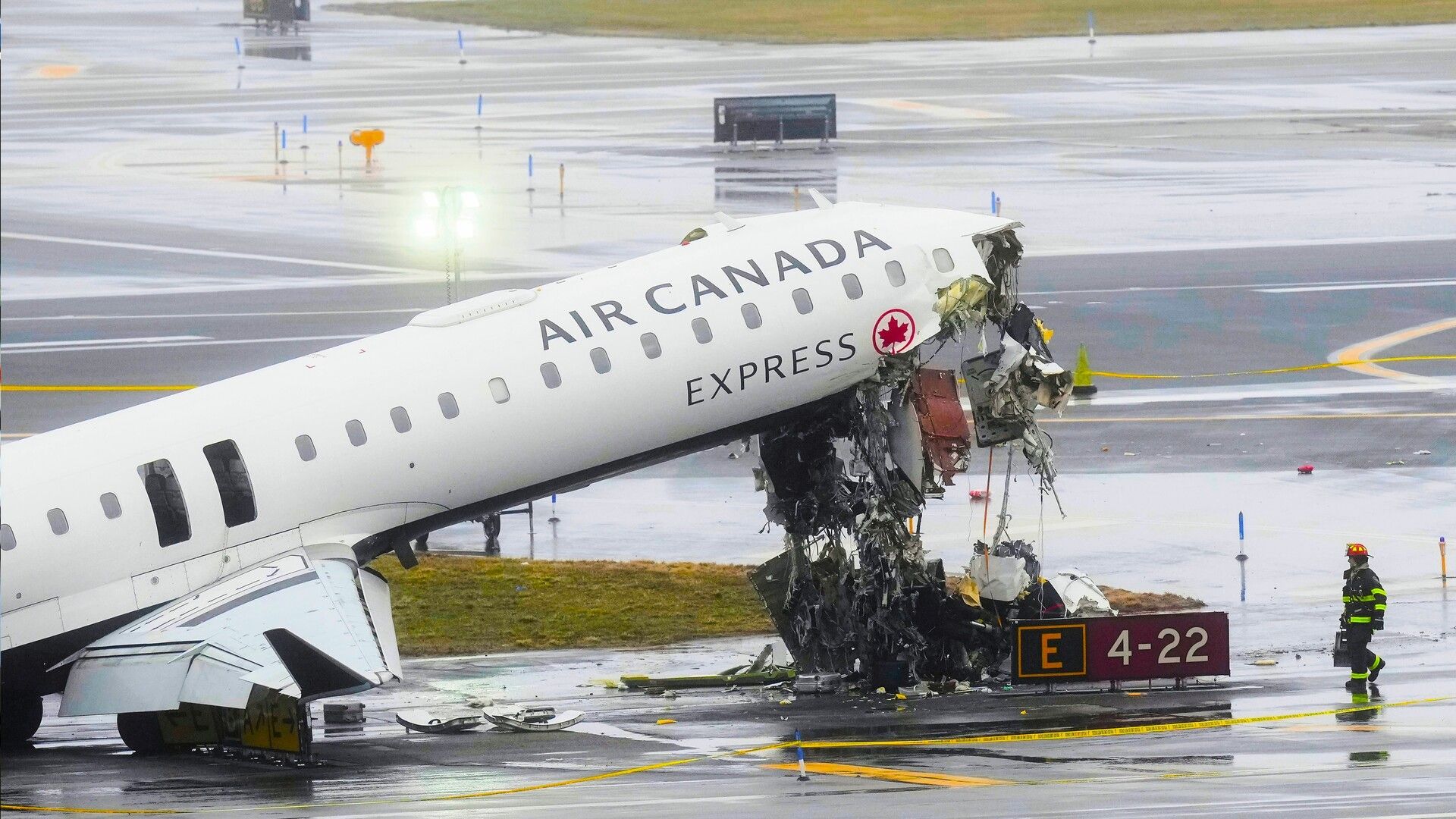
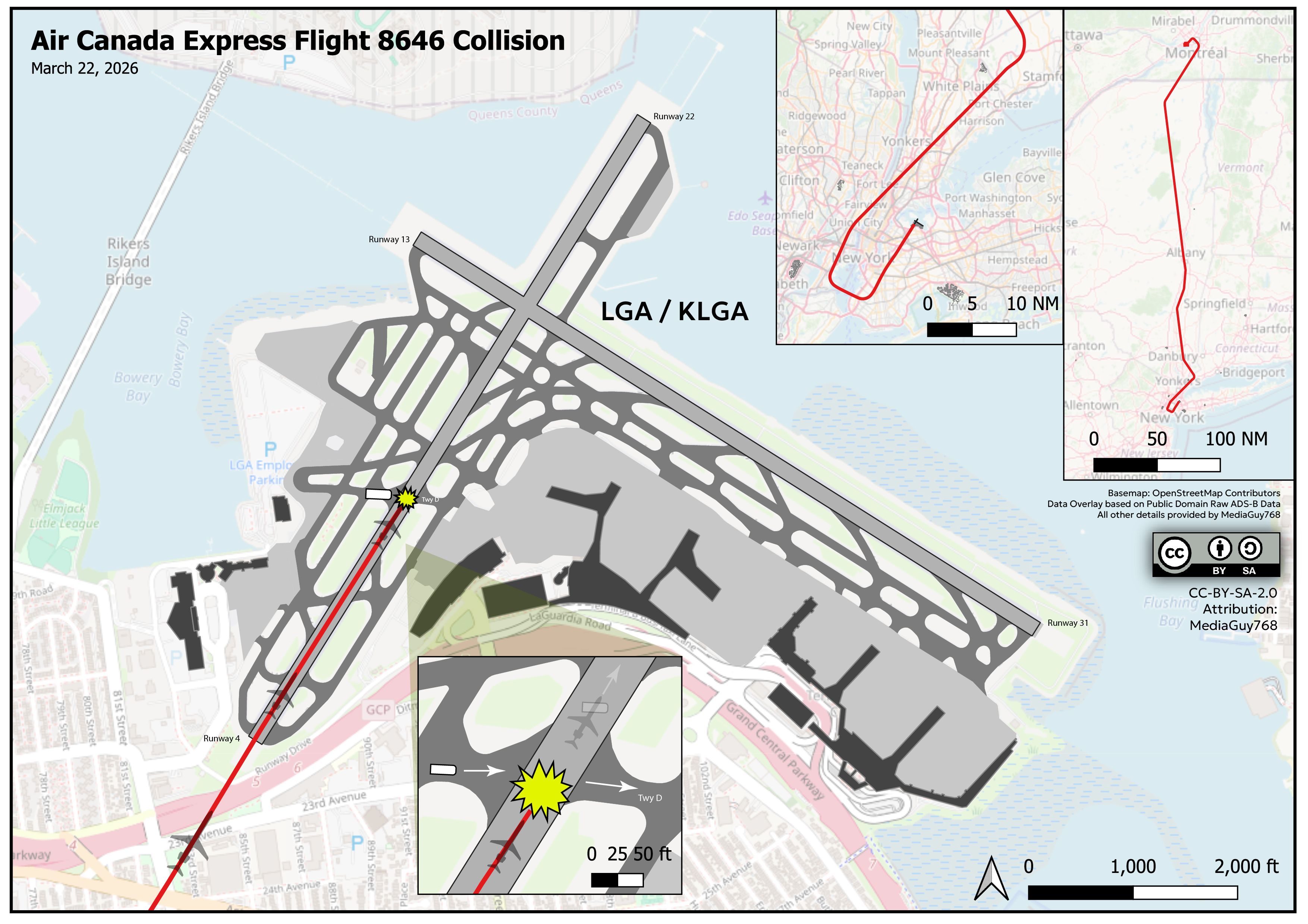
Since the tragic accident that killed both pilots of Air Canada Express Flight 8646 at New York's LaGuardia Airport (LGA), the effort to remove the jet's wreckage has been slow going as it progresses in line with the investigation. The catastrophic destruction of the aircraft has made the operation complex, compounded by the need to meticulously preserve evidence of the crash. Investigators are still looking into how air traffic control played a role in the fatal collision and how the actions of the pilots and truck impacted the outcome.
All of the personal belongings of the passengers that were aboard the jet remain where they were when the fateful accident occurred, leaving them without their items until crews move the aircraft to a hangar. Fortunately, none of the passengers were fatally injured, but they remain cut off from reclaiming the items that they left behind during the emergency evacuation.
The National Transportation Safety Board (NTSB) is leading the probe into the mishap, with support from the Transportation Safety Board of Canada. A total of 41 people were hospitalized following the accident on March 22. Out of that number, there were 39 from the stricken Bombardier CRJ900 and two from the airport's firetruck.
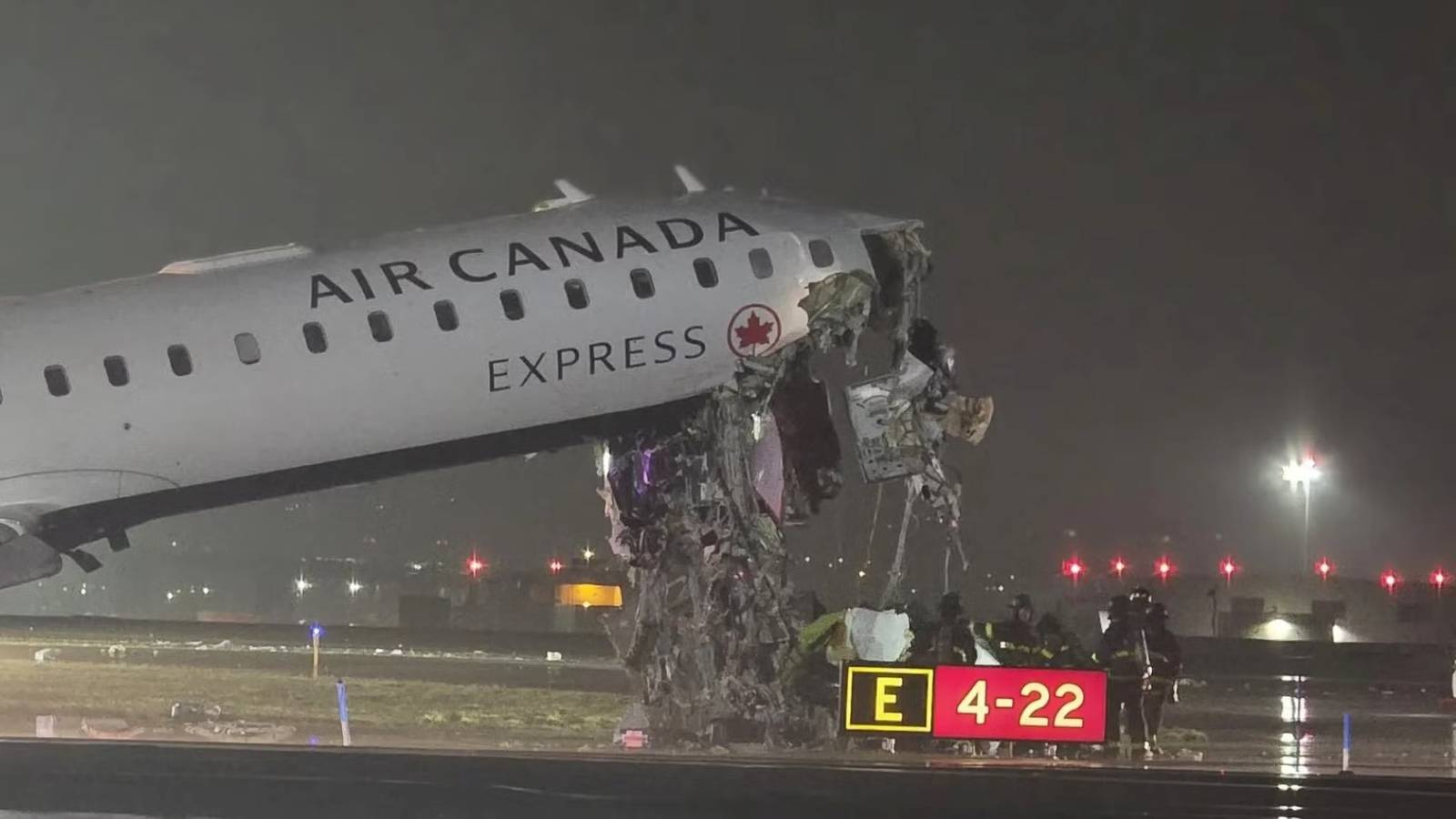
The destruction of the aircraft's nose and cockpit has made removal challenging, but crews have begun towing the remnants of the airframe from the runway into a secured hangar. This move is expected to facilitate the recovery of personal belongings left behind by passengers during the emergency evacuation.
Air Canada is currently working to reunite passengers with their lost items, a process expected to take several days. Despite the trauma that the survivors experienced, many have come forward to praise the actions of the pilots whom they describe as heroes.
Captain Antoine Forest and First Officer McKenzie Gunther are credited with significantly improving the survival odds of their passengers by applying maximum braking in the moments before the collision that cost them their lives. This crucial act by the flight crew is considered to be the most decisive factor in the low number of fatal casualties that resulted from the accident.
One survivor, Rebecca Liquori, told NBC News: 'I'm just so appreciative that they were able to save us, but I'm just so sad that they weren't able to make it home to their families.' The incident highlights the importance of effective emergency response and air traffic control procedures in preventing such tragedies.
The brief seconds of extremely intensive braking allowed the jet to shed a significant amount of energy before impact. This act by the flight crew is being closely examined by investigators as they seek to understand the circumstances surrounding the accident.
Only two controllers were in the tower at the time, with both reportedly managing many positions simultaneously. The NTSB is also investigating why ground radar systems failed to detect the approaching firetruck, which contributed to the fatal collision.
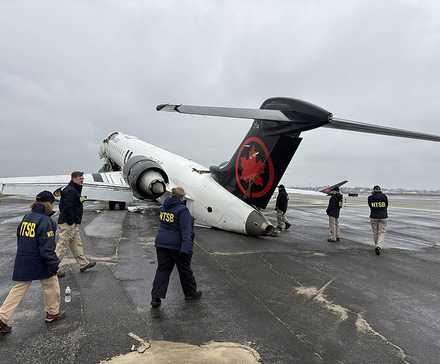
The complexity of removing the wreckage poses a significant challenge, highlighting the need for meticulous preservation of evidence and careful planning in air traffic control procedures.